
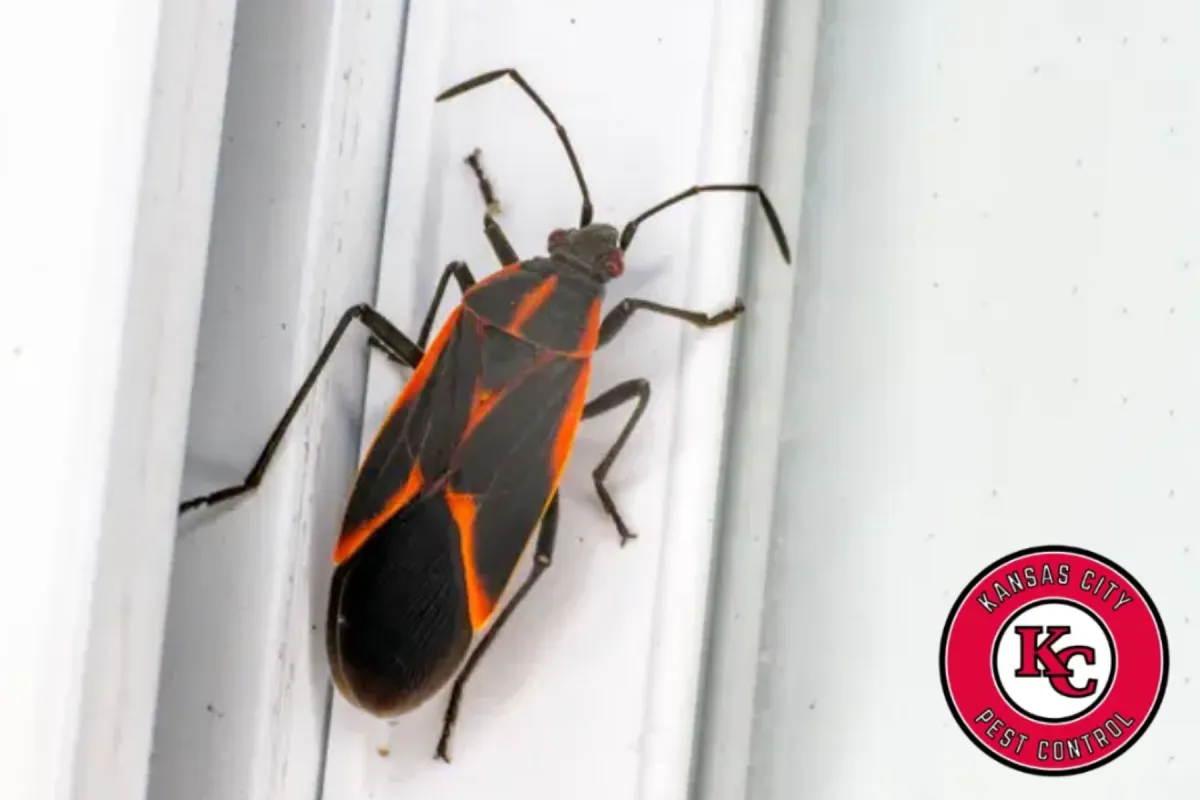
Boxelder bugs do not cause direct structural damage to fiberglass insulation because they lack the chewing mouthparts required to shred or consume building materials. However, their presence in wall voids can lead to secondary issues, such as insulation compression from heavy clustering and the attraction of scavenger pests, like larder beetles, that feed on dead bugs. Large populations may also leave behind fecal staining that can permeate porous surfaces if left unaddressed over several seasons.
The Biological Reality of Boxelder Bugs in Walls
When autumn temperatures drop, boxelder bugs seek out south-facing walls to soak up the last of the season’s solar heat. As the sun sets, they follow thermal gradients into the small gaps of your home’s exterior, eventually settling into the wall voids. To a homeowner, seeing thousands of these red-and-black insects can be alarming, leading many to worry that their insulation is being devoured.
Unlike rodents, which shred fiberglass to create nesting material, or termites, which tunnel through foam board, boxelder bugs are simply looking for a place to sleep. They possess piercing-sucking mouthparts designed solely for extracting juices from the seeds of boxelder, maple, and ash trees. Because they cannot chew, your fiberglass batts remain structurally intact in terms of fiber density. However, the sheer volume of a “mega-cluster” can sometimes weigh down loose-fill insulation, slightly reducing its thermal efficiency over time.
Indirect Impact of Overwintering Infestations
While the insulation itself isn’t a food source, the presence of these pests creates an ecosystem within your walls that can lead to other complications. Understanding these indirect risks is a key part of effective Grandview pest control and long-term home maintenance.
1. Compression and Thermal Cold Spots
In extreme cases, boxelder bugs can gather by the thousands in a single stud bay. This mass of biological matter can physically displace or compress fiberglass insulation. When insulation is compressed, it loses its ability to trap air, which is the primary mechanism of heat retention. Over several years, this can create minor “cold spots” in your walls that are detectable with thermal imaging.
2. Pheromone Accumulation
Boxelder bugs are highly social insects that use aggregation pheromones to tell their peers, “This is a safe place to sleep.” These chemical signals can soak into the paper backing of fiberglass insulation or the wooden studs themselves. Once a wall void is “marked,” it becomes a beacon for future generations. This is why many residents seeking pest control in Grandview, MO, find that the same room in their house is infested year after year.
3. The Scavenger Chain
The most significant risk to your home isn’t the live boxelder bugs but the dead ones. As the colony overwintering in your walls naturally thins out, the carcasses accumulate at the bottom of the wall void. This organic matter attracts “secondary pests” like carpet beetles and larder beetles. Unlike boxelder bugs, these secondary pests will cause damage to your home, often migrating from the walls into your closets to feed on wool, silk, and stored food products.
Comparison of Common Wall Void Pests
| Pest Type | Damage to Fiberglass | Primary Threat Level |
| Boxelder Bug | None (Material is not consumed) | Low (Nuisance/Staining) |
| Mice/Rats | High (Shredding/Nesting) | High (Fire/Health Hazard) |
| Termites | High (Tunnelling through foam) | Critical (Structural) |
| Carpenter Ants | Moderate (Excavation for nests) | High (Moisture/Rot) |
During a recent audit for a firm in our service area, we discovered that what the client thought was boxelder bug damage was actually a secondary rodent infestation attracted to the entry points the bugs used. This is a common occurrence; if a bug can get in, a mouse often isn’t far behind.
The Kansas City Pest Protection Framework
At Kansas City Pest Control, we believe that the best way to protect your insulation is to ensure nothing ever reaches it. We utilize a multi-layered defense strategy that addresses the infestation from the outside in.
- Sealing Any Gaps: This is our most effective long-term solution. We apply high-quality silicone caulk to siding laps, utility penetrations, and window frames to eliminate the possibility of boxelder bugs ever reaching your insulation.
- Insecticides: To manage the active populations sunning themselves on your siding, we apply specialized residual barriers. When a bug lands on the treated area, the product prevents them from successfully entering the structure.
- Baits: While boxelder bugs don’t respond to traditional food baits, we use attractants to lure them away from your home’s foundation and into controlled zones.
- Traps: We use specialized monitoring tools to identify which side of the home is most vulnerable, allowing us to adjust our treatment plan in real time based on pest pressure.
- Regularly Inspecting: We don’t just treat and disappear. Our team performs routine checks to ensure your barriers are holding and no new entry points have developed.
Debunking the Myth: “The Sucking Damage”
A common industry myth is that boxelder bugs can “suck the life” out of wooden studs or plastic vapor barriers. Because people see the bugs congregating on these materials, they assume some form of consumption is happening.
The Reality: Boxelder bugs are “liquid feeders” with mouthparts like a straw, but they lack the enzymes to break down wood or plastic. They are strictly looking for the seeds of the Acer negundo (Boxelder tree). If you see damage to your wooden framing or vapor barrier, you are likely looking at the work of wood-boring beetles or dry rot, which often occurs in the same damp, dark wall voids that boxelder bugs frequent. A professional exterminator in Grandview, MO, can help you distinguish between these different types of damage during a routine inspection.
People Also Ask (FAQ)
Why do I see boxelder bugs inside my house in the middle of winter?
On unseasonably warm winter days, the bugs inside your walls “wake up.” Instead of heading back outside, they accidentally follow the warmth into your living room through electrical outlets or baseboards.
Do boxelder bugs leave a smell?
Yes. When crushed or threatened, they release a pungent, unpleasant odor from their scent glands. This is why we recommend vacuuming them up rather than swatting them.
Will boxelder bugs bite my pets?
It is extremely rare. They are not parasites and do not seek out blood. On very rare occasions, they might “test” skin with their proboscis, but they do not carry diseases or cause significant injury.
Protect Your Home with Kansas City Pest Control
Your home’s insulation is its primary defense against the elements, and keeping it clean and functional is a top priority. While boxelder bugs might not be chewing through your fiberglass, they represent a breach in your home’s defenses that shouldn’t be ignored. We also serve Grandview, MO, and surrounding areas like Lee’s Summit and Raytown.
At Kansas City Pest Control, we provide the expertise and responsiveness you need to keep your wall voids pest-free. We pride ourselves on being a trustworthy partner for our neighbors, offering transparent solutions that prioritize the long-term health of your property. By focusing on sealing gaps and maintaining a proactive defense, we ensure you can enjoy a comfortable, bug-free environment year-round.
Are you tired of the autumn invasion on your siding? Contact us today to schedule a professional inspection. Let us show you how a custom plan can protect your home from the inside out. We are ready to be your go-to exterminator, delivering peace of mind with every visit.