
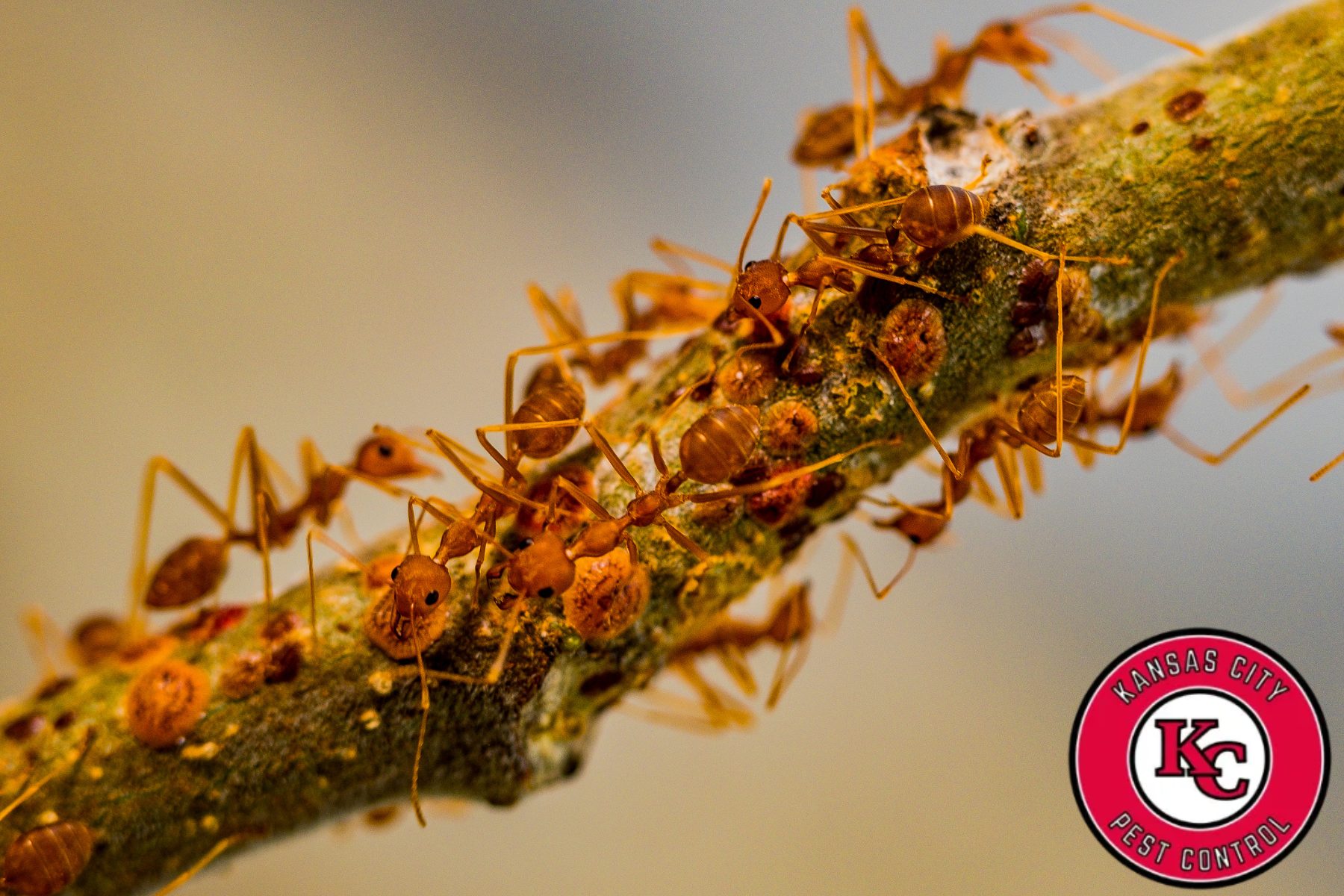
Carpenter ants are among the most destructive ant species found in homes and businesses. Unlike termites, they do not eat wood for nourishment. Instead, they tunnel through it to build their nests, causing significant structural damage over time. If left untreated, a carpenter ant colony can grow to thousands of ants, expanding from its main nest to multiple satellite nests hidden deep inside your walls, ceilings, or floors. Can ants live in walls? Yes, carpenter ants often do, and it’s crucial to understand how to locate and eliminate these pests to protect your property.
Understanding Carpenter Ant Behavior
Carpenter ants are large, usually black or dark brown, and can be found in both moist and dry wood. They prefer damp, decaying wood for nesting because it is easier to excavate. However, once established, they can move into sound wood, accelerating damage. Carpenter ant nests in walls are often harder to detect since the ants tend to remain hidden and make their home deep within the structural wood.
These ants are primarily nocturnal, leaving their nests at night to forage for food, which often includes sweet substances and proteins. Their foraging trails can extend hundreds of feet from the nest, making it challenging to pinpoint their exact location without proper inspection techniques. For accurate identification and elimination, it’s essential to rely on professional Independence pest control services.
Signs of a Carpenter Ant Infestation
Recognizing early warning signs can prevent costly repairs. Some indicators include:
- Frass (wood shavings): Carpenter ants push sawdust-like material out of their galleries, often found beneath wooden beams, window frames, or baseboards.
- Rustling noises: At night, you may hear faint rustling inside the walls as ants move and excavate tunnels.
- Winged ants: Seeing swarmers indoors, especially in spring, suggests a nearby mature colony.
- Damaged wood: Wood may appear smooth inside tunnels, a result of the ants’ meticulous excavation.
If you suspect that you have ants inside walls, it’s essential to act quickly, as their presence can cause significant structural damage over time.
How to Find Carpenter Ant nest?
Finding the nest is the most important step in eliminating a carpenter ant problem. These colonies often have a primary nest outdoors in rotting logs or stumps and satellite nests indoors, usually in walls, ceilings, or flooring. For effective ant control, it’s essential to locate both the primary and satellite nests to prevent further damage.
Follow the Ant Trails
The most effective way to locate a nest is to track worker ants back to their source. This requires patience, as ants may enter and exit through tiny gaps in siding, window frames, or foundation cracks. This process can also lead you to the carpenter ant nest in wall, where they might be nesting inside hollow structures.
Listen for Activity
Quietly place your ear against suspect walls or woodwork. A large colony can produce noticeable rustling sounds, especially in a quiet environment.
Check Moisture-Prone Areas
Inspect kitchens, bathrooms, basements, and any areas with plumbing leaks or condensation issues. Carpenter ants are strongly attracted to moist wood and might set up camp in your walls in these areas, particularly if they’re near a water source.
Methods for Eradicating Carpenter Ant Colonies
Once the nest is found, prompt action is necessary to prevent further damage. There are multiple strategies to address the problem.
- Use a Targeted Carpenter Ant Killer
Applying a carpenter ant killer directly into the nest can eliminate the colony. Professional-grade treatments often include non-repellent products, allowing ants to carry the active ingredient back to the nest and distribute it to other members. - Address Moisture Issues
Repair leaks, improve ventilation, and remove any sources of damp wood. Without a suitable nesting environment, carpenter ants are less likely to return. - Remove and Replace Damaged Wood
If structural wood has been compromised, removing it will eliminate parts of the colony and prevent further deterioration. This is especially important when dealing with carpenter ant nest in wall. - Integrated Pest Management (IPM) Approach
Professionals often combine baiting, liquid applications, and dust treatments for long-term control. This strategy reduces risk to non-target species and ensures a comprehensive solution.
Why DIY Methods Often Fail
While some homeowners try over-the-counter products, carpenter ants can be extremely difficult to eliminate without professional expertise. Colonies can have multiple nesting sites, and killing only the visible ants will not solve the problem. If satellite nests remain, the infestation will continue.
Searching online for ant control near me can help you connect with a licensed pest management team that has the tools, training, and knowledge to identify and treat every nest location, including carpenter ant nests in walls.
How to Get Rid of Carpenter Ants Effectively
Professional pest control Independence MO services understand how to get rid of carpenter ants in a way that addresses both immediate and long-term concerns. This often involves:
- Conducting a thorough inspection to identify every nest location, especially those hidden inside your walls and floors.
- Using specialized tools to access hidden areas in walls and ceilings.
- Applying treatments that eliminate the queen, preventing the colony from rebuilding.
- Recommending preventative measures to reduce future risk.
Preventing Future Carpenter Ant Infestations
Prevention is as important as elimination. Some key steps include:
- Seal entry points: Caulk gaps around windows, doors, and siding.
- Store firewood away from the home: Carpenter ants often nest in firewood piles.
- Maintain landscaping: Trim branches and vegetation away from the home to prevent ant access.
- Monitor for activity: Regular inspections can help detect problems early.
Professional Pest Control for Carpenter Ants
Property owners benefit from partnering with a trusted provider. A professional exterminator Independence MO can assess the severity of the infestation, apply effective treatments, and provide long-term prevention strategies. A reliable solution ensures peace of mind, knowing your home is protected from future infestations.
About Kansas City Pest Control
Kansas City Pest Control is a trusted provider of pest management services for homes and businesses throughout the Kansas City area. Our team uses proven, eco-conscious methods to address a variety of pest problems, including ants, termites, rodents, bed bugs, and more. We specialize in identifying the source of infestations and applying targeted solutions that protect both property and health. Operating locally, we understand the region’s unique challenges and tailor our services to each client’s needs.
If you’re dealing with carpenter ants in your walls or elsewhere in your home, don’t wait; contact our expert team in Independence, MO, today. We’ll help you locate, treat, and prevent carpenter ant infestations for good. Call now for a thorough inspection and effective solutions!
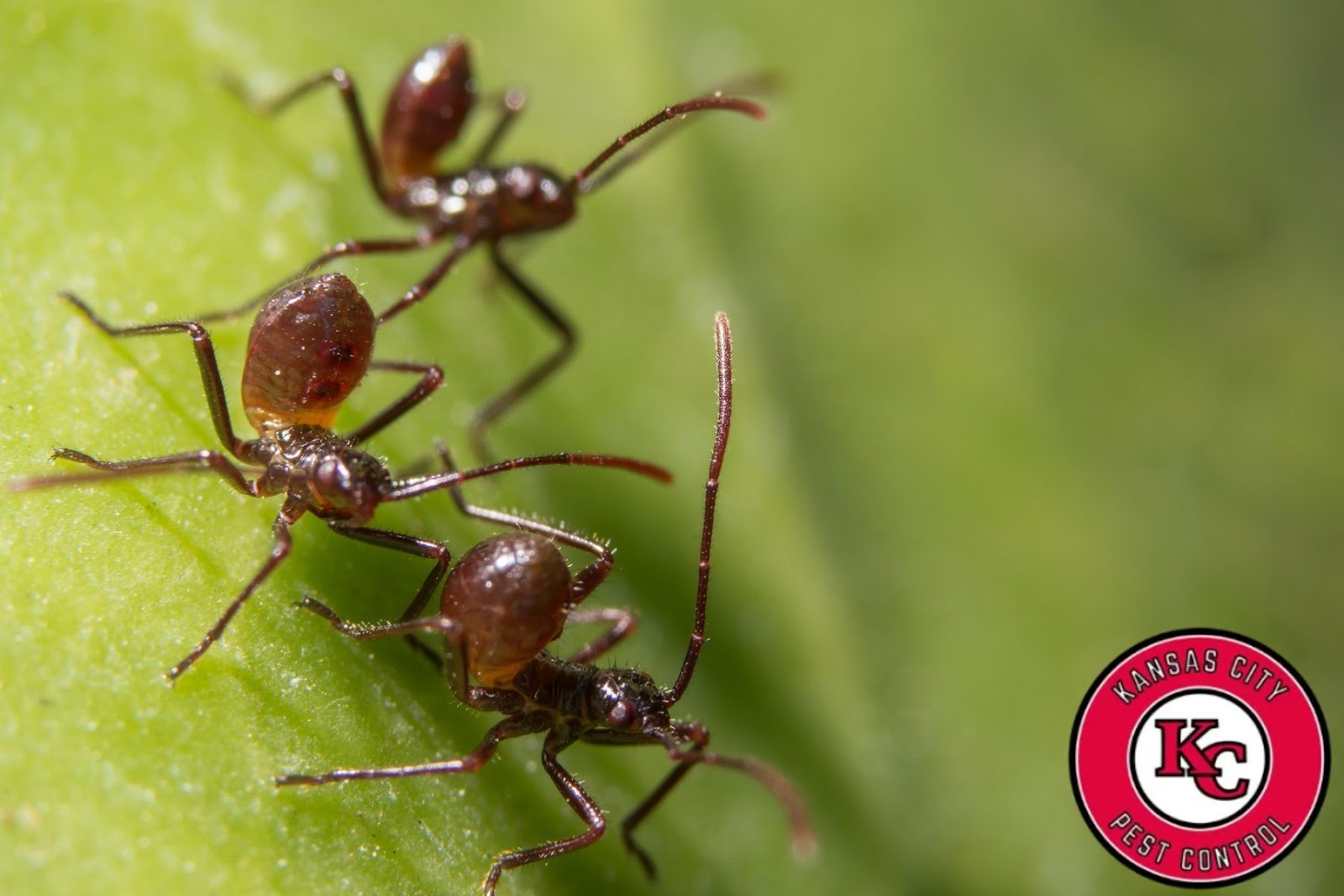
FAQ: People Also Ask
- Can ants live in walls?
Yes, carpenter ants can build nests inside the walls, ceilings, and floors, especially if the wood is damp. They excavate the wood to create galleries and tunnels, which can cause serious damage. - How do you find a carpenter ant nest in your walls?
To locate a carpenter ant nest in your walls, follow ant trails, listen for rustling, and check moisture-prone areas such as kitchens or bathrooms. A professional pest control service can help you pinpoint hidden nests. - How to get rid of carpenter ants in walls?
Professional pest control services can apply targeted treatments to the nests in your walls. This may include baiting, dusting, and addressing moisture issues that could attract ants. - Do carpenter ants come back after treatment?
If all nests, including satellite ones in walls, are not properly treated, carpenter ants can return. It’s essential to work with professionals who can eliminate all colonies and prevent re-infestation.