

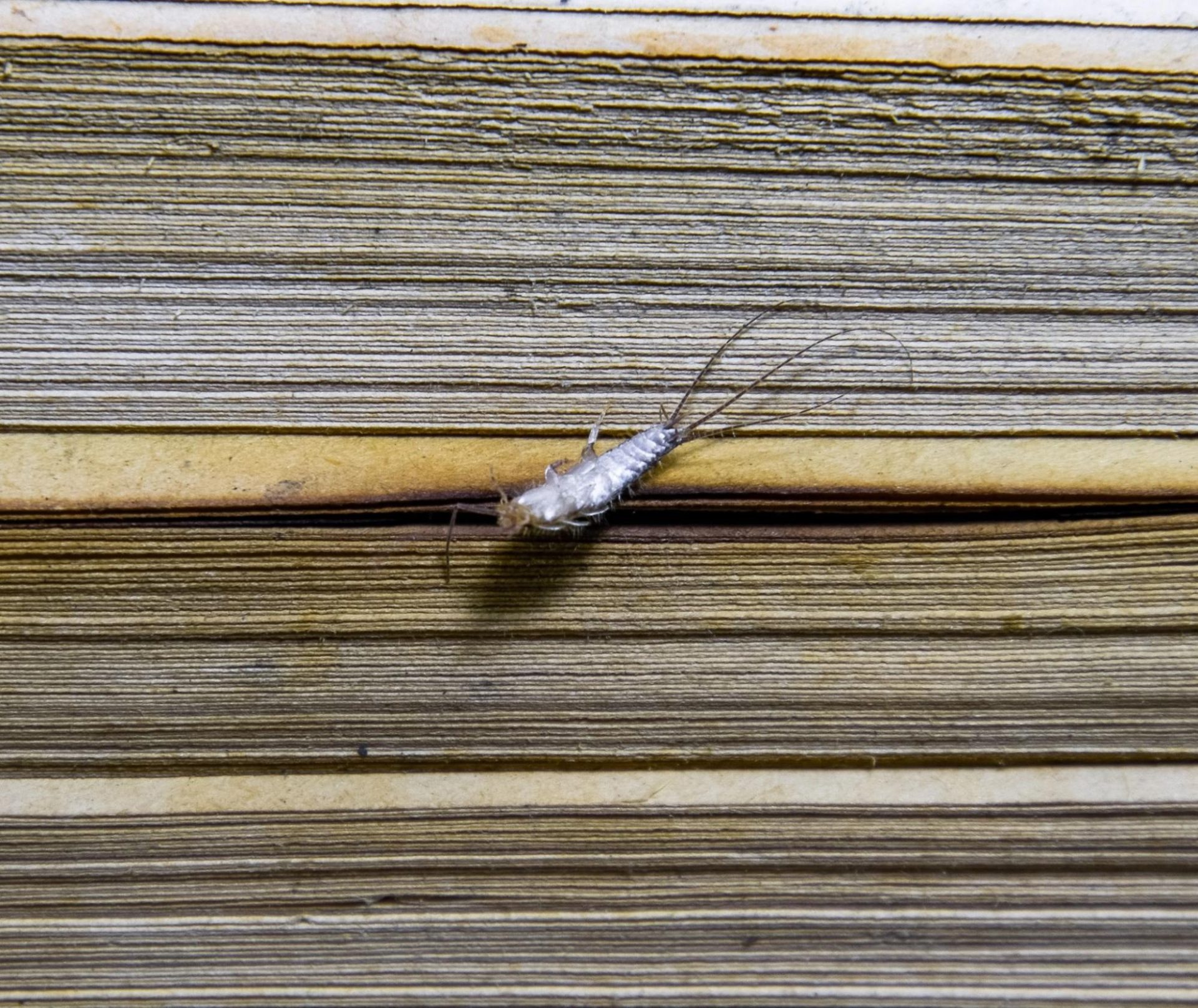
Silverfish suddenly appear in homes because they are attracted to moisture, warmth, and easy food sources like paper and fabric. When temperatures drop or humidity rises, they move indoors to survive and quickly settle in dark, damp areas.
If you are noticing more activity, it usually means your home is providing the exact conditions they need to thrive. Understanding why they are there is the first step to getting rid of them for good.
What Attracts Silverfish to Your Home
Silverfish are drawn to environments that offer moisture, food, and shelter. Homes naturally provide all three, especially during seasonal changes.
Moisture is one of the biggest factors. Areas like bathrooms, basements, and kitchens create the humid conditions silverfish prefer. They are also attracted to starchy materials such as paper, cardboard, glue, and even certain fabrics. Cluttered storage areas make the problem worse by giving them places to hide and feed without disturbance.
As explained in the original content, silverfish thrive in dark, damp environments and often remain hidden during the day before becoming active at night.
Why Silverfish Are Common in Lee’s Summit Homes
Silverfish problems are especially common in homes due to seasonal weather patterns and typical home structures.
Humidity levels during warmer months create ideal breeding conditions, while colder seasons push silverfish indoors in search of warmth. Many homes in the area also have basements, crawlspaces, and storage areas where moisture can build up over time.
If the problem is not addressed early, these conditions make it easier for silverfish to enter, survive, and multiply, often leading homeowners to seek professional pest control in Lee’s Summit.
Where Silverfish Hide
Silverfish are rarely seen during the day because they prefer dark and undisturbed spaces. They often hide in areas where moisture and food sources are readily available.
Common hiding spots include behind baseboards, inside wall voids, under sinks, inside closets, and in storage boxes. They are also frequently found in attics, basements, and near heat sources such as pipes or vents.
If you see one silverfish, there is a strong chance more are hiding nearby.
Signs of a Silverfish Infestation
Silverfish can be difficult to detect at first, but there are clear signs that indicate a growing problem.
You may notice small holes in books, wallpaper, or clothing where they have been feeding. Yellow stains or damage on paper materials are also common. In some cases, you might find tiny droppings or shed skins left behind as they grow.
As mentioned in the original content, visible sightings, bite marks, droppings, and molted skin are all key indicators of activity.
Are Silverfish Dangerous
Silverfish are not dangerous in the sense that they do not bite or spread diseases. However, they can still cause problems inside your home.
They damage personal belongings such as books, clothing, wallpaper, and stored items. Over time, this damage can become costly. In some cases, their presence may also trigger allergic reactions due to their shed skin and droppings.
Ignoring the problem can allow it to grow into a much larger infestation.
How to Get Rid of Silverfish
Getting rid of silverfish requires a combination of moisture control, cleaning, and targeted treatment.
Start by reducing humidity in your home. Fix any leaks, improve ventilation, and consider using a dehumidifier in problem areas. Removing clutter is also important since silverfish thrive in hidden spaces with access to food sources.
Sealing cracks and gaps around doors, windows, and foundations can prevent them from entering. Regular cleaning, especially in corners and storage areas, helps eliminate food sources and disrupt their habitat.
As noted in the original content, controlling moisture, sealing entry points, and maintaining cleanliness are key steps in eliminating silverfish and preventing their return.
DIY vs Professional Silverfish Control
DIY methods can help reduce small silverfish populations, but they often fail to address the root cause. This leads to recurring infestations that can be frustrating to deal with over time.
Professional pest control in Lee’s Summit, MO, takes a more comprehensive approach by identifying the source of the problem and applying targeted treatments. This not only removes existing silverfish but also helps prevent them from coming back.
For persistent or widespread infestations, working with an experienced exterminator is typically the most effective solution.
Seasonal Silverfish Activity
Silverfish activity changes throughout the year, which is why infestations can seem sudden.
During colder months, they move indoors to escape low temperatures. In warmer months, increased humidity supports faster reproduction. These seasonal shifts can make infestations appear more noticeable even if the problem has been building over time.
Understanding these patterns allows you to take preventive steps before activity increases.
How to Prevent Silverfish Long-Term
Long-term prevention focuses on making your home less attractive to silverfish. This means controlling moisture levels, reducing clutter, and sealing potential entry points.
Keeping storage areas organized and using airtight containers for pantry items can help limit food sources. Regular inspections and maintenance also play an important role in preventing infestations from returning.
Consistency is key to keeping silverfish out for good.
When to Call a Professional Exterminator
If you continue to see silverfish despite taking preventative steps, it may be time to call a professional. Recurring sightings often indicate a hidden infestation that requires more advanced treatment.
A trained exterminator can assess the situation, identify problem areas, and create a plan that delivers long-lasting results.
If you need help, visit our exterminator in Lee’s Summit to learn more about our services and schedule an inspection.
Get Expert Help with Silverfish Control
Dealing with silverfish can be frustrating, especially when they keep coming back. Kansas City Pest Control provides effective solutions designed to eliminate infestations and prevent future problems.
If you are noticing signs of silverfish activity, contact us today to schedule a consultation and take the first step toward a pest-free home.
Frequently Asked Questions
Why are silverfish suddenly appearing in my home?
Silverfish usually appear when your home has excess moisture, warmth, and accessible food sources like paper or fabric. Changes in weather or humidity often trigger increased activity indoors.
Do silverfish go away on their own?
Silverfish rarely go away on their own because the conditions that attract them often remain unchanged. Without proper cleaning, moisture control, or pest control in Lee’s Summit, the infestation can continue to grow.
What kills silverfish quickly?
Reducing moisture, cleaning thoroughly, and using targeted treatments can help eliminate silverfish quickly. For larger infestations, professional solutions are typically more effective.
Are silverfish a sign of a bigger problem?
Yes, silverfish often indicate excess moisture or hidden entry points in your home. These underlying issues can also attract other pests if not addressed.
When should I call an exterminator for silverfish?
You should call an exterminator if you continue to see silverfish despite taking preventive steps. Persistent activity usually means there is a hidden infestation that requires professional treatment
Learn more here:
Spotted Silverfish in Your Bathroom? Here’s Why They Love Damp Spaces and How to Stop Them