
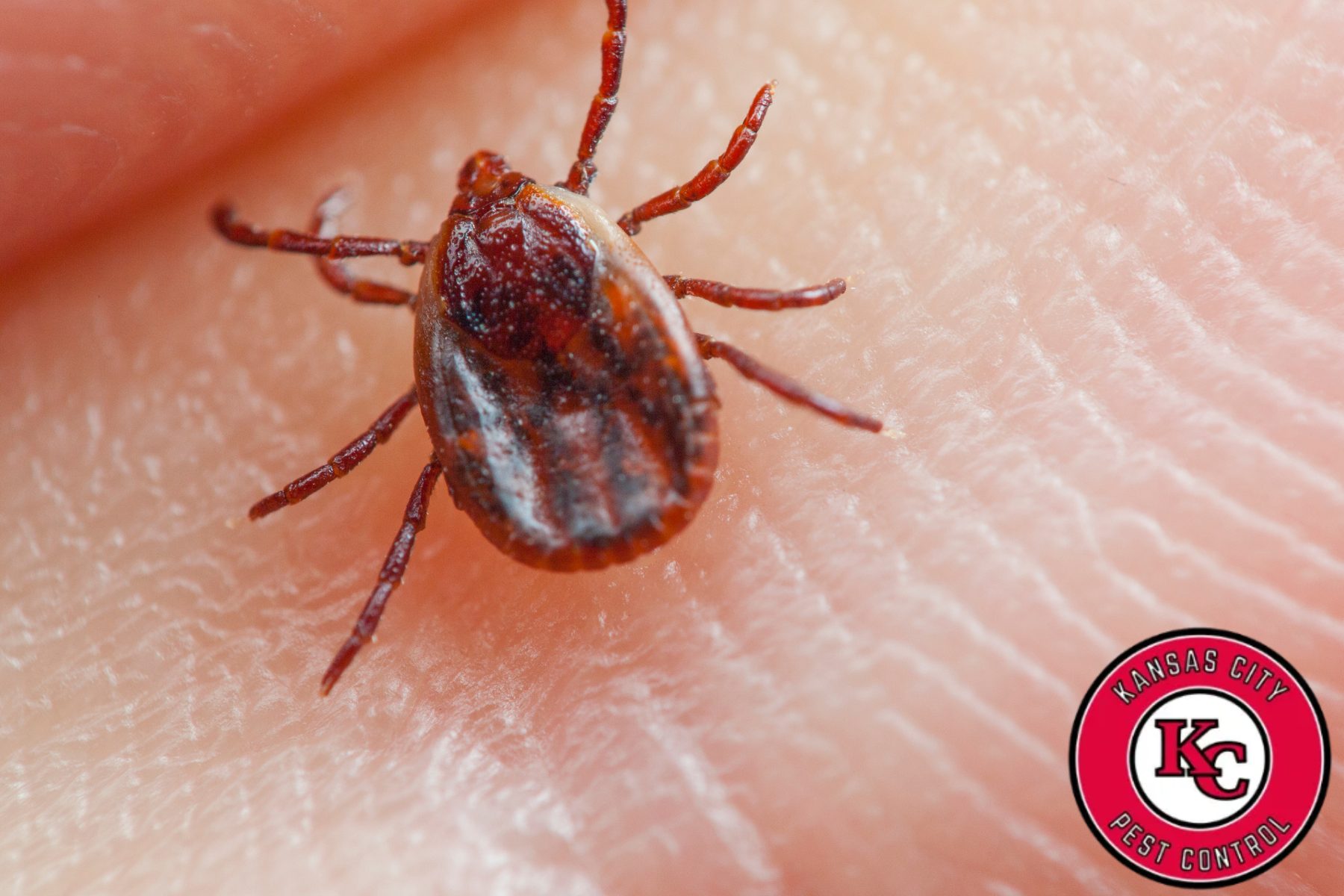
Ticks are a common concern in Olathe, Kansas, and the surrounding areas. Whether you’re hiking through Black Bob Park or enjoying a day, understanding how ticks survive, especially when they don’t immediately find a host, can help protect you, your family, and your pets. In this guide, we’ll explain how long can a tick live without a host, the specific conditions in Olathe that affect tick survival, and what to do if you find a tick in your yard that hasn’t attached to a host.
How Long Can a Tick Survive in Olathe, KS, Without a Host?
Ticks are resilient creatures that can survive without feeding for quite some time, but their lifespan largely depends on their life stage and environmental conditions. In Olathe, KS, ticks can last anywhere from a few weeks to several months without a host.
Factors That Affect Tick Survival
Ticks in Olathe are primarily affected by the region’s climate. The hot, humid summer months provide an ideal environment for ticks, while the cooler winter months can slow their activity. Ticks are most active during the spring and fall, when temperatures are milder. These weather conditions are crucial to their survival, as ticks are highly sensitive to temperature and humidity. If it’s too dry or too hot, ticks will dehydrate and die much more quickly.
Typical Lifespan of a Tick Without Feeding
The lifespan of a tick depends on its life stage:
- Larvae: As the first stage of life, larvae are tiny and can survive for weeks without a host, especially if the weather conditions are favorable. They may go unnoticed for a while before attaching to a host.
- Nymphs: These ticks can live for a couple of months without feeding. Nymphs are usually more active in the spring and summer.
- Adults: Adult ticks can live the longest without feeding, sometimes up to several months. They tend to be more resilient and can wait for a host to pass by, often in fall or early winter.
How Long Do Ticks Last Without Feeding in Olathe?
The suburban areas around Olathe, including Olathe, are popular habitats for ticks due to their mixture of wooded areas, parks, and residential properties. The environment in Olathe plays a significant role in how long do ticks live without a host.
The Role of Olathe’s Environment in Tick Survival
Olathe’s extensive parks and trails, such as Shawnee Mission Park, provide plenty of ideal environments for ticks to thrive. These areas have high grass, dense brush, and shaded areas , perfect conditions for ticks to remain active even without a host. Additionally, the humidity from nearby bodies of water helps ticks stay hydrated for longer periods.
Specific Survival Timelines in Olathe
In areas like Olathe, ticks that have not attached to a host can last anywhere from several weeks to a few months, depending on their life stage and the conditions. Nymphs and adults are more likely to survive longer without a host, while larvae may not last as long if they don’t find a suitable host soon.
What Should I Do If I Find a Tick in My Yard in Olathe That Hasn’t Attached to a Host Yet?
Finding a tick in your yard that hasn’t yet attached to a host can be alarming, but it’s important to handle the situation carefully. Here’s what you should do:
Steps to Safely Remove a Tick That Hasn’t Attached
If you find a tick crawling around in your yard or on your pet, it’s best to remove it as soon as possible. Here’s how to do it safely:
- Use fine-tipped tweezers: Grasp the tick by the head or mouth parts (the closest point to the skin) and pull it straight out. Avoid twisting or jerking the tick, as this could cause parts of the tick to remain embedded.
- Clean the bite area: After removal, clean the bite area and your hands with rubbing alcohol, an iodine scrub, or soap and water.
Preventing Ticks from Infesting Your Yard in Olathe
Ticks are more likely to live in areas with dense vegetation and tall grasses. To minimize tick populations in your yard:
- Mow your lawn regularly to keep the grass short.
- Clear away leaf piles and brush where ticks can hide.
- Create a tick-safe zone: Consider using wood chips or gravel to create a barrier between your yard and wooded areas.
Should I Be Concerned About Ticks That Haven’t Attached Yet?
Even if a tick hasn’t attached yet, it can still survive and wait for a host. Ticks often remain in shaded areas or tall grasses, where they wait for an animal or human to pass by. Although they don’t pose an immediate risk if they haven’t attached, it’s still important to take preventative steps to reduce tick populations around your home and yard.
Additional Tips for Tick Prevention in Olathe
Protecting Your Pets from Tick Infestations
If you have pets that spend time outside in Olathe, it’s important to take preventive measures:
- Use tick preventatives recommended by your veterinarian.
- Check pets for ticks after outdoor activities, especially after visiting parks like Black Bob Park or areas with tall grass.
Tick-Repellent Solutions for Families
For your family’s protection, consider using tick repellents when spending time outside. Products containing DEET or Picaridin can help repel ticks and other pests.
Checking for Ticks After Outdoor Activities
After you or your pets spend time in grassy or wooded areas in Olathe, perform thorough tick checks. Pay close attention to areas where ticks like to attach, such as behind the ears, underarms, and between toes.
Conclusion: Be Proactive About Tick Prevention in Olathe
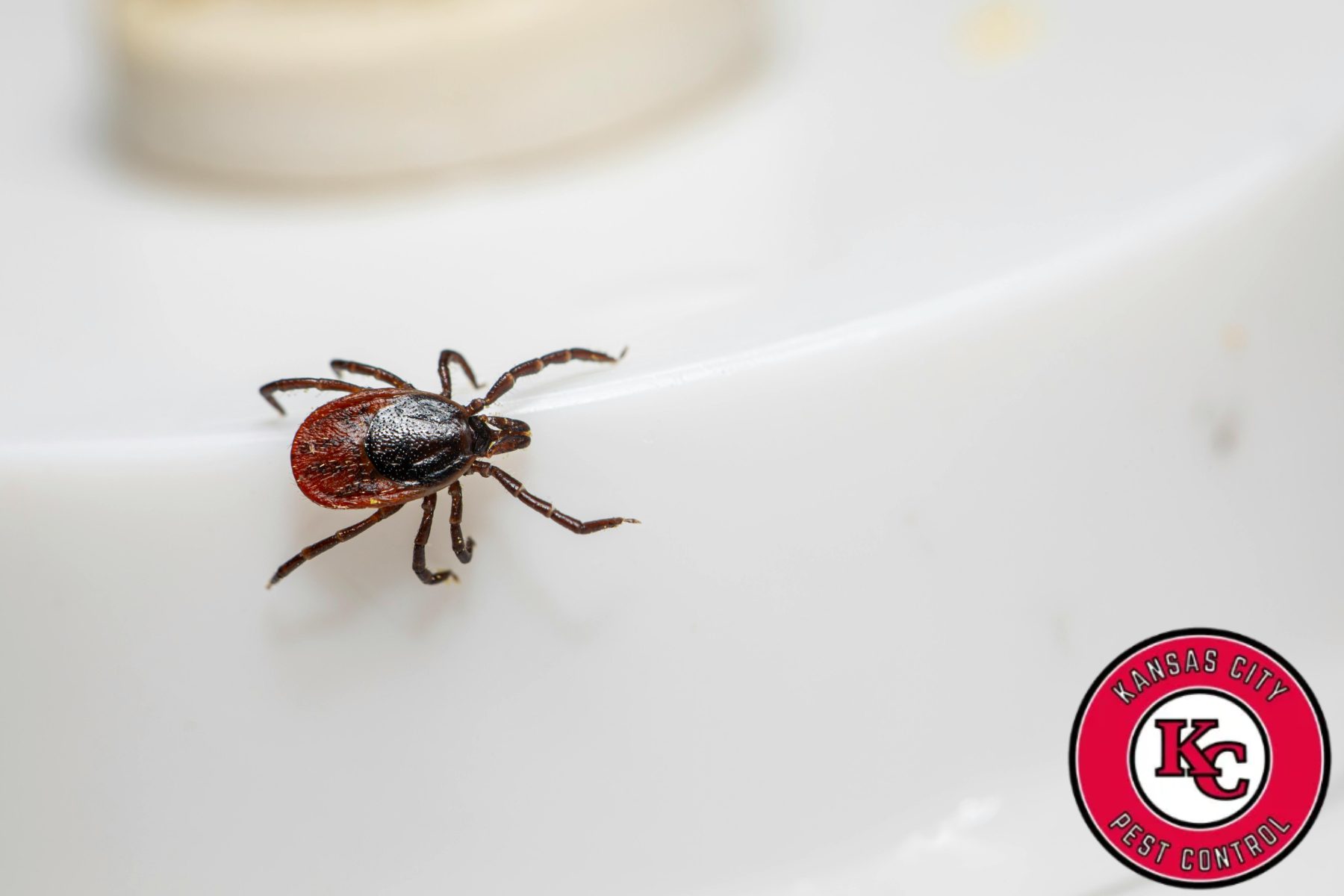
Ticks may be small, but they can have a big impact on your health and the health of your pets. In Olathe, ticks can survive for weeks or even months without a host, making it essential to be vigilant about tick prevention. By keeping your yard tick-free, using proper protective measures, and checking for ticks regularly, you can help protect yourself and your loved ones from tick-borne diseases. For professional help, consider pest control Olathe KS to keep your home and yard safe from ticks.
If you’re looking for tick control near me or need expert advice, don’t hesitate to contact a local pest control company. At Olathe Pest Control, we specialize in providing effective tick treatments to keep your yard safe. Ready for a free quote? Contact us today!