
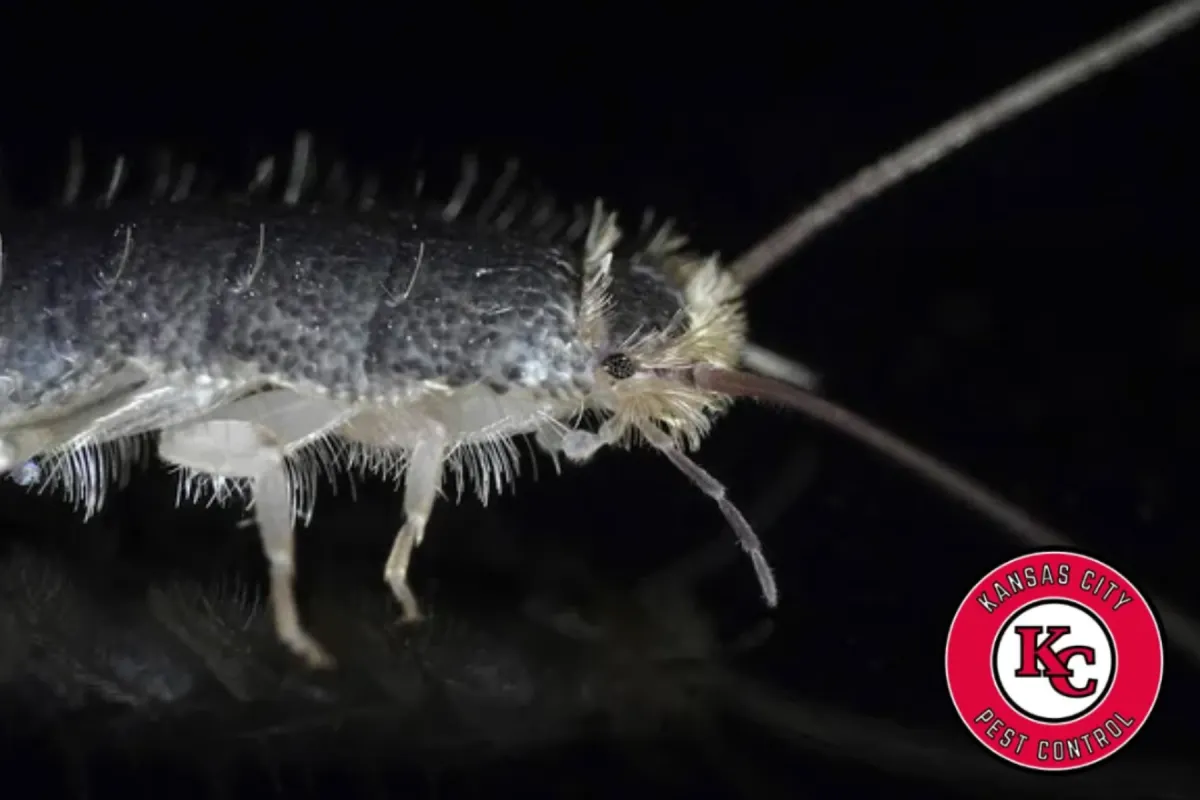
Silverfish require a relative humidity level above 75% to survive, molt, and reproduce. To effectively dehydrate and kill an infestation, you must maintain a consistent indoor humidity level below 50%, as these insects lack a waxy cuticle and will die from desiccation when exposed to dry air. Reducing moisture is the most sustainable way to eliminate silverfish populations without relying solely on chemical treatments.
The Science of Desiccation: Why Humidity Matters
Silverfish are primitive, wingless insects that have remained relatively unchanged for millions of years. Their survival depends entirely on their ability to absorb moisture from the surrounding atmosphere. Unlike many other household pests, such as ants or cockroaches, the silverfish lacks a protective waxy coating on its exoskeleton to prevent internal water loss.
When the relative humidity (RH) in your home drops, the silverfish begins to lose its internal fluids to the dry air. If the environment stays below the 50% threshold, the insect eventually reaches a point of lethal desiccation. This biological vulnerability makes humidity control your most powerful weapon. While they can survive for weeks without food, they cannot survive for long in a truly dry environment.
Strategies for Dehydrating an Infestation
To effectively “dry out” these pests, you must address the hidden microclimates where they congregate. A house that feels dry in the center of the living room may still have pockets of 80% humidity behind the wallpaper or under the kitchen sink.
The Multi-Step Dehydration Plan
- Deploy High-Capacity Dehumidifiers: Focus on basements, crawl spaces, and laundry rooms. Set your humidistat to 45% to ensure the air remains hostile to insect life.
- Fix Micro-Leaks: Even a tiny “sweating” pipe provides enough hydration for a colony. Insulate cold water pipes to prevent condensation.
- Improve Airflow: Use bathroom exhaust fans during every shower and leave them running for at least 20 minutes afterward.
- Seal Entry Points: During a recent inspection for a homeowner in Grandview, we found that silverfish were entering through gaps in the siding where rain had saturated the insulation. Proper sealing prevents moisture and bugs from getting in.
The Kansas City Pest Control Framework
At Kansas City Pest Control, we believe in a holistic approach to eradication. We don’t just spray a baseboard and hope for the best; we apply a three-pillared framework designed to collapse the infestation from the inside out.
Environmental Modification
This is the most critical step in our process. Environmental modification involves changing the physical conditions of your home to make it uninhabitable for pests. This includes installing vapor barriers in crawl spaces, suggesting attic ventilation improvements, and identifying “moisture bridges” where wet soil touches your home’s foundation. By altering the ecosystem, we ensure that even if a silverfish wanders in, it won’t survive long enough to breed.
Physical Removal
For immediate relief, we utilize physical removal techniques. This involves using specialized HEPA-filtered vacuums to extract live insects, egg sacs, and the starchy debris they feed on from cracks and crevices. Physical removal provides an instant drop in the pest population and removes the pheromone trails that other silverfish use to navigate your home. This is a standard procedure for any professional exterminator in Grandview, MO.
Insecticide Treatments
When a population is deeply entrenched in wall voids, we apply professional-grade desiccant dusts. These dusts, such as amorphous silica gel, act like microscopic sponges. When a silverfish crawls through the dust, it clings to its body and rapidly accelerates the dehydration process. Unlike standard wet sprays, these dusts remain effective for years as long as they stay dry, providing a long-term “insurance policy” against future arrivals and supporting effective Grandview pest control.
Debunking the Myth: “Silverfish Only Live in Dirty Homes”
A common industry myth and a point of embarrassment for many clients is that seeing silverfish means your house isn’t clean enough. As a leading provider of pest control in Grandview, MO, we see silverfish in the most pristine, high-end homes in the region.
The Reality: Silverfish are attracted to moisture and starch, not dirt. They are just as happy eating the glue in the binding of an expensive hardcover book or the starch in a freshly dry-cleaned shirt as they are eating a pile of dust. If you have a brand-new home with high-efficiency windows that trap humidity inside, you are actually more likely to see silverfish than someone in a drafty, older house. Seeing them is a signal of a moisture problem, not a cleaning problem.
Technical Specifications: Monitoring and Control
| Tool | Recommended Specification | Goal |
| Hygrometer | Digital with $\pm 2\%$ accuracy | Monitor “Danger Zones” (Basements/Attics) |
| Dehumidifier | 50-pint capacity (per 1,500 sq ft) | Maintain RH below 50% |
| Silica Gel Dust | Amorphous (Non-Crystalline) | Physical desiccation of the exoskeleton |
| Vapor Barrier | 6-mil to 20-mil Polyethylene | Block ground moisture in crawl spaces |
People Also Ask (FAQ)
Can silverfish live in my bed?
While they don’t bite humans or live in mattresses like bed bugs, they may crawl onto a bed if the room is humid and there are natural fibers (like cotton or silk sheets) for them to nibble on.
Will turning up the heat kill them?
Heat alone usually isn’t enough unless it is extreme. However, heat often lowers relative humidity. It is the heat-induced dryness, rather than the temperature itself, that kills them.
What do silverfish eat if there is no food?
They can eat almost anything containing polysaccharides. This includes wallpaper paste, book glue, photos, sugar, flour, and even their own shed skins.
How do I find a reliable exterminator in Grandview, MO?
Look for a company that offers a comprehensive plan that includes environmental modification. Avoid companies that only offer a “quick spray” without addressing the moisture issues in your home.
Reclaim Your Home from the Damp-Loving Invaders
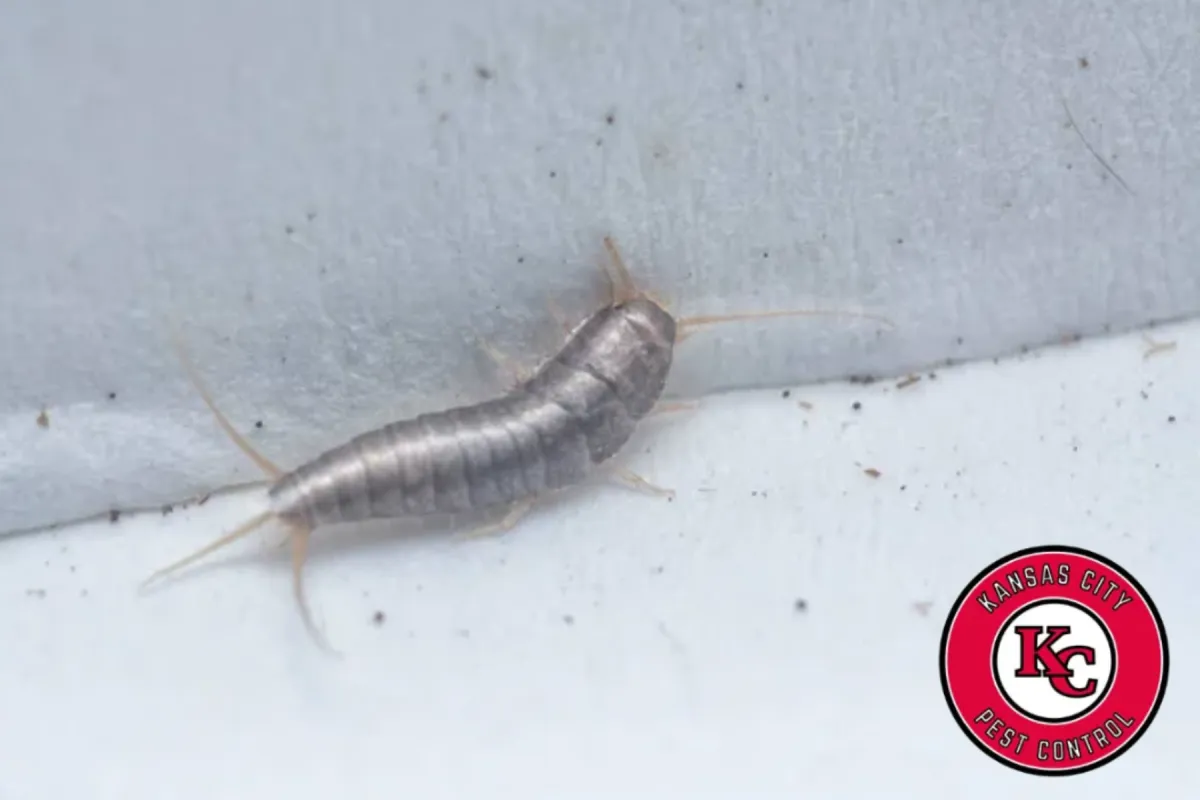
Silverfish are more than just a nuisance; they are a sign that your home’s health is being compromised by excess moisture. Whether you are dealing with a few stragglers in the bathroom or a massive colony in the attic, the solution remains the same: dry them out. We proudly serve Grandview, MO, and nearby areas like Belton and Raymore.
At Kansas City Pest Control, we take pride in being a trusted partner for our neighbors in all our service areas. We provide the expertise needed to solve complex infestations using science-based methods that protect your property and your family.
Don’t let humidity turn your home into a breeding ground. Contact us today to schedule a professional inspection and learn how our environmental modification strategies can keep your home pest-free for good.