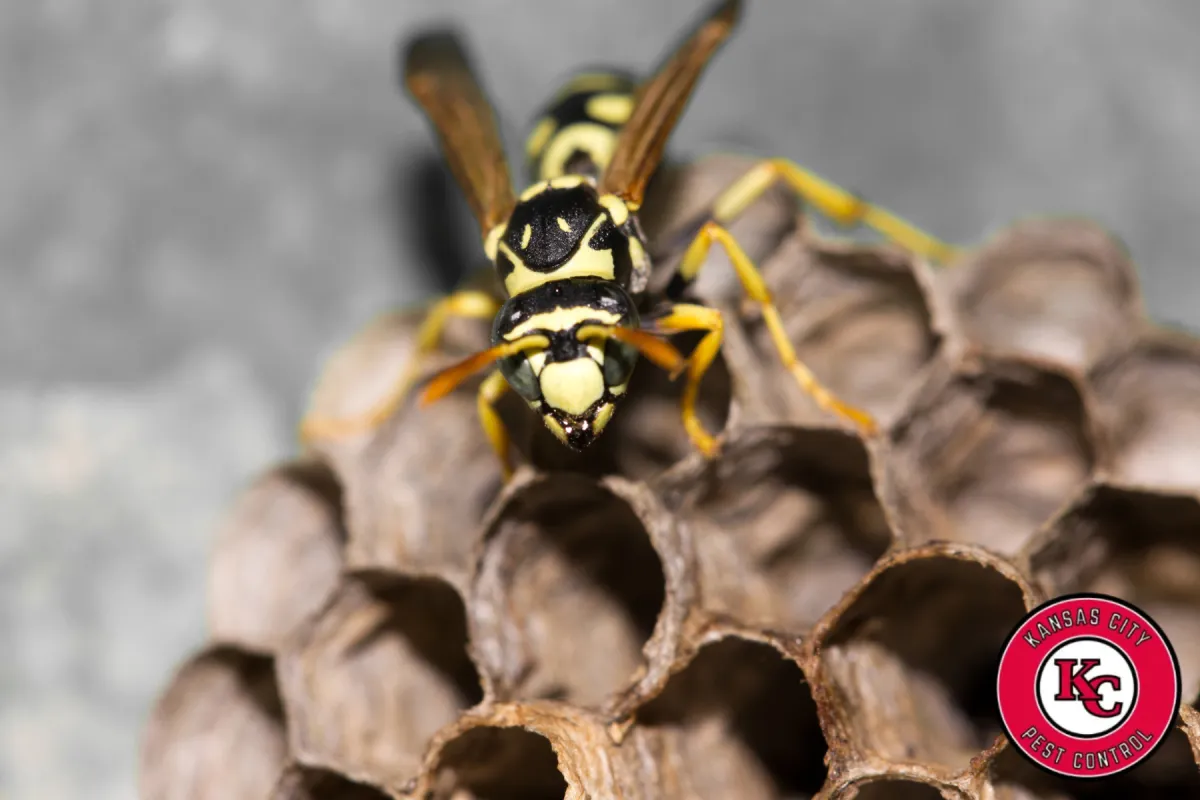
You can differentiate a paper wasp nest from a yellowjacket nest by its architecture and location: paper wasp nests feature open, umbrella-shaped paper combs with visible hexagonal cells under eaves or porch roofs, while yellowjacket nests are enclosed in multi-layered papery envelopes and hidden underground, in wall voids, or inside thick brush. Identifying these structural differences before attempting treatment protects homeowners from aggressive swarms and painful stings.
4 Primary Structural Differences Between Wasp and Yellowjacket Nests
Recognizing nest architecture and placement helps property owners choose the safest control strategy.
| Nest Parameter | Paper Wasp Nests (Polistes spp.) | Yellowjacket Nests (Vespula spp.) |
| Comb Visibility | Open, single-comb umbrella shape (cells visible) | Completely enclosed in a paper envelope with one entrance hole |
| Typical Nest Location | Sheltered aerial spots (eaves, porch roofs, window frames) | Underground burrows, wall voids, hollow trees, attics |
| Colony Size Range | Small (typically 20 to 100 workers) | Large (1,000 to 5,000+ aggressive workers) |
| Construction Material | Weathered wood fibers and saliva (light grey/brown) | Decomposing wood and saliva (dark tan or striped) |
4-Step Process: How Technicians Evaluate Stinging Insect Nests
- Step 1: Inspect Comb Visibility and Shape
Examine whether the internal brood cells are visible from below. Paper wasps construct open-faced, single-comb structures shaped like inverted umbrellas, whereas yellowjackets enclose their internal combs entirely within a papery shield. - Step 2: Evaluate Attachment Points and Height
Note where the structure is built. Paper wasps anchor aerial nests to rooflines, deck railings, or window casings using a single paper stalk. Yellowjackets favor hidden locations, utilizing soil cavities, wall voids, or hollow trees. - Step 3: Observe Flight Patterns and Leg Positions
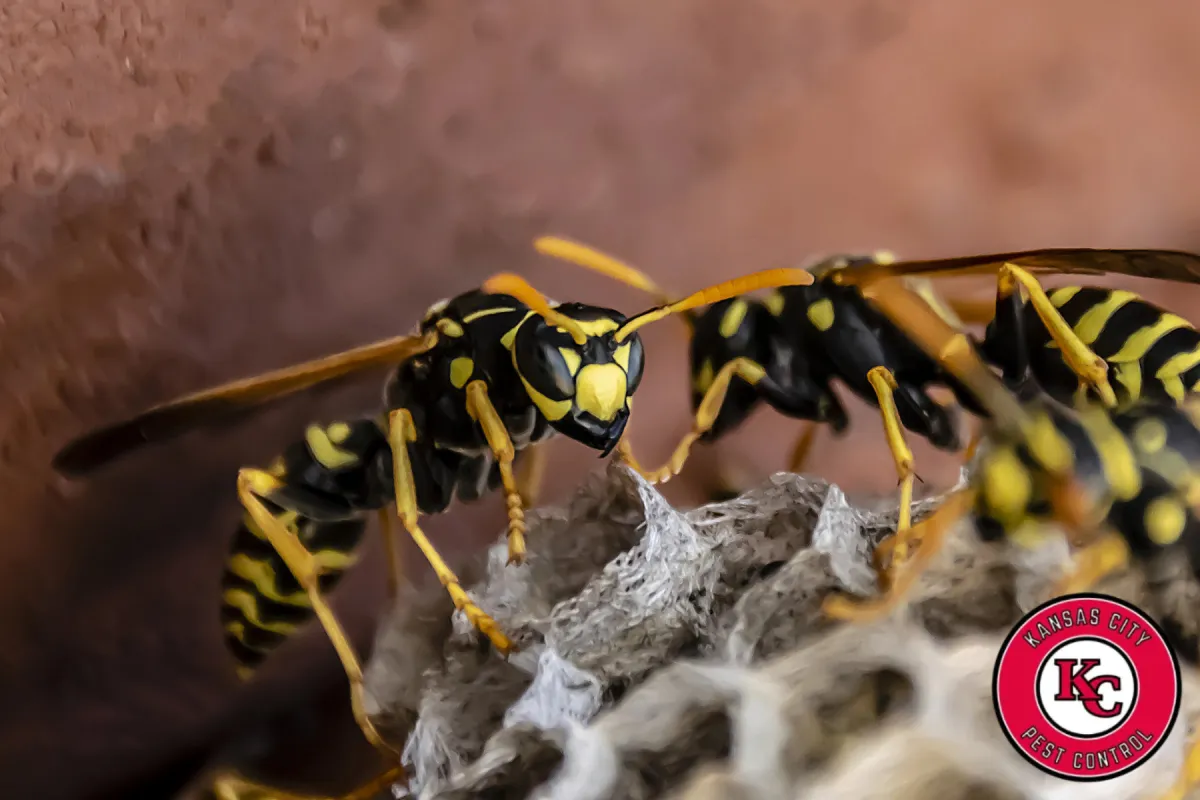
Watch how the insects enter and exit the nest from a safe distance. Paper wasps fly slowly with long legs dangling beneath their slender bodies. Yellowjackets fly rapidly, trailing compact legs as they dart into a single entry hole. - Step 4: Assess Colony Size and Defense Behavior
Count worker activity around the nest site. Paper wasp colonies stay relatively small and act defensively only when directly disturbed, while yellowjackets maintain thousands of workers that actively patrol a wide perimeter around their entrance.
Paper Wasp Nest vs. Yellowjacket Nest Visual & Behavioral Comparison
Comparing visual markers and colony habits prevents mistaken identity and reduces sting risks.
| Diagnostic Feature | Paper Wasp Characteristics | Yellowjacket Characteristics |
| Primary Shield Structure | None; exposed comb with individual egg cells | Multi-layered paper envelope protecting hidden combs |
| Ground Presence | Rare; builds above ground on architectural structures | Common; builds in abandoned rodent burrows or lawn holes |
| Aggression Level | Low to moderate; stings mainly on direct contact | Very high; aggressively defends nest territory in swarms |
| Body Markings | Brown, red, or dark yellow with a slender waist | Bright yellow and black bands with a smooth, compact abdomen |
Applying Our Advanced Protective Framework to Solve This
At Kansas City Pest Control, our licensed technicians bring trusted expertise and safe removal practices to every property. We use proven methods to eliminate stinging hazards:
- Locate the Nest by Following the Insects’ Flight Path: Our technicians safely locate the nest by following the insects’ flight path from a secure distance, pinpointing hidden entry points in wall voids or dense landscaping without alarming the colony.
- Targeted Insecticides: We utilize professional-grade insecticides formulated for quick knockdown, applying them directly to nest openings to neutralize active workers and prevent secondary swarming.
- Traps and Baits: In open outdoor areas where nests are difficult to access, our technicians employ specialized traps and baits to lure foraging insects away from patios, garbage areas, and outdoor dining spaces.
- Family-Safe & Eco-Friendly Care: We choose family- and pet-safe products that remove stinging pests responsibly while keeping your household completely protected.
Common Misconception: “Mud Dauber Tubes and Paper Wasp Nests Present the Same Stinging Danger”
The Myth: All paper-like or dirt-like nests attached to home siding belong to aggressive social wasps that will attack in swarms.
The Reality: Long mud tubes built on exterior walls belong to solitary Mud Daubers, which are non-aggressive, rarely sting, and do not defend their nests in swarms. Open-celled paper wasp nests and enclosed yellowjacket nests belong to social colonies that protect their queen and brood aggressively. Mistaking a solitary mud nest for a social colony, or underestimating an enclosed yellowjacket entry hole in a wall void, can lead to severe multiple stings if approached improperly.
Technical Specifications & Stinging Insect Terminology
- Petiole (Nest Stalk): The narrow, durable stem made of plant fibers and saliva that anchors a paper wasp’s open umbrella comb to structural eaves or branches.
- Papery Envelope: The fibrous exterior shell constructed by yellowjackets to protect internal brood combs from wind, rain, and temperature fluctuations.
- Wall Void Colony: A yellowjacket nest built inside hollow drywall, brick facades, or attic insulation, accessible only through small exterior gaps.
- Subterranean Cavity: Underground nest sites, frequently converted from abandoned rodent holes or hollow root systems, used by ground-nesting yellowjacket species.
Why Property Owners Need Professional Wasp Services
Hidden underground nests and high roofline combs create dangerous conditions for families and pets during summer months.
During a recent property audit for a home in Shawnee, our technician discovered a heavy yellowjacket colony tucked inside a low retaining wall gap. The homeowner had noticed yellow jackets near the garden bed, but couldn’t locate the entrance until our team traced worker flight paths back to the stone seam. By applying specialized dust treatments directly into the void, we eliminated the nest safely.
Partnering with a reliable exterminator in Shawnee, KS ensures that active colonies are correctly identified and safely removed without risk to your family. Experienced technicians handle high rooflines and subterranean cavities using proper protective equipment.
If active stinging insects are building combs around your eaves or lawn, securing reliable pest control in Shawnee, KS brings immediate comfort and safety to your outdoor spaces. Customized treatment plans address both active nests and seasonal nest-building spots.
Investing in dependable Shawnee pest control protects your property from aggressive stinging insects throughout the warm season. Scheduled property inspections catch early paper combs before they develop into large, defensive colonies.
People Also Ask
Can I spray a yellowjacket nest built inside a wall void with grocery store aerosol spray?
No. Spraying the exterior hole of a wall void nest with retail aerosol forces thousands of panicking yellowjackets deeper into your home through light fixtures, baseboards, and vents.
Why do yellowjackets get more aggressive in late summer and autumn?
As autumn approaches, natural nectar sources diminish while yellowjacket colonies reach peak worker populations. The insects actively search for sugars and proteins near trash cans, picnics, and outdoor dining areas, increasing sting risks.
Do paper wasps reuse the same nest year after year?
No. Paper wasp queens abandon old nests every autumn. Fertilized queens overwinter in sheltered bark or wall crevices, building entirely new nests in spring.
What should I do if I step on an underground yellowjacket nest?
Evacuate the immediate area quickly in a straight line, covering your face and neck. Do not swat at the insects, as crushed yellowjackets release alarm pheromones that attract more swarm members.
Protect Your Home with Kansas City Pest Control
At Kansas City Pest Control, our mission is to deliver total peace of mind by providing high-quality residential and commercial pest solutions. We prioritize customer satisfaction, clear communication, and safe practices so you can enjoy a comfortable, pest-free home.
We offer guaranteed, family-friendly treatments designed for long-term protection. Whether you need wasp nest removal, general insect prevention, or specialized rodent management, our licensed technicians deliver reliable results you can trust.
Ready to remove stinging hazards and enjoy your outdoor spaces safely? Call us to schedule your consultation today!