
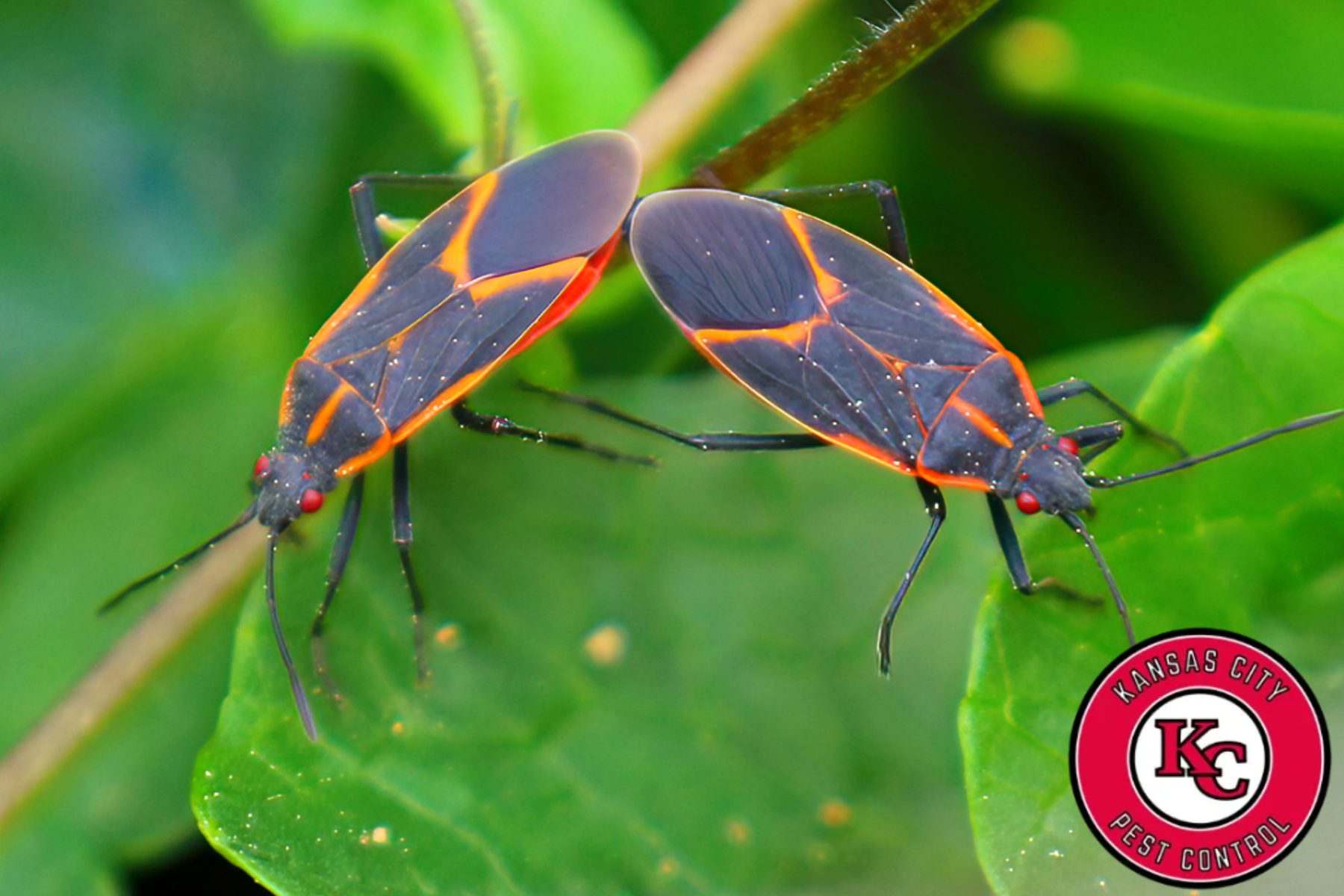
Boxelder bugs are generally nuisance pests rather than a serious threat to people, pets, homes, or plants. They do not typically cause structural damage or create a significant health concern, but large numbers can become frustrating when they gather around buildings, enter through cracks and gaps, stain light-colored surfaces, or release an unpleasant odor when crushed.
If you are finding boxelder bugs around your property, the main concern is usually nuisance activity and indoor invasion, not serious property or health damage. Understanding what these insects can and cannot do can help you decide whether simple prevention is enough or whether professional pest control is appropriate.
Are Boxelder Bugs Dangerous to People?
For most homeowners, boxelder bugs are not considered dangerous. They do not normally attack people, feed on blood, or pose the type of health threat associated with some biting or disease-carrying pests.
There have been rare reports of boxelder bugs biting humans, but this is not considered typical behavior. Colorado State University Extension classifies them primarily as nuisance pests and notes that reports of human bites are uncommon.
In practical terms, finding boxelder bugs around your home is generally more of a pest nuisance than a health emergency.
Can Boxelder Bugs Bite or Sting?
Boxelder bugs do not normally bite or sting people. Their mouthparts are adapted for feeding on plant material rather than attacking humans.
This makes them very different from household pests that actively bite people. If you are finding unexplained bites along with boxelder bugs, do not automatically assume the boxelder bugs caused them.
Other insects may be responsible, and the appearance of a skin reaction alone cannot reliably identify the pest.
Do Boxelder Bugs Damage Homes?
Boxelder bugs generally do not damage the structure of a home. Unlike wood-destroying pests, they are not known for chewing through framing, weakening structural wood, or damaging building materials.
The bigger issue is what happens when large numbers enter a property.
Boxelder bugs may gather around:
- Windows
- Doors
- Exterior walls
- Rooflines
- Foundations
- Wall cracks
- Other protected openings
They can also enter wall spaces, attics, and other sheltered areas as they look for places to spend the winter.
Once inside, they may become active again on warm, sunny days.
Can Boxelder Bugs Damage Plants?
Boxelder bugs feed primarily on plants and seeds, particularly the seeds of female boxelder trees. They may also feed on maple and ash trees.
However, their presence does not necessarily mean that your trees are being seriously damaged. University of Minnesota Extension reports that boxelder bugs do not cause noticeable feeding injury to boxelder, maple, or ash trees.
They may occasionally be found around gardens or ornamental plants, but homeowners should not assume that visible boxelder bugs indicate significant plant damage.
Why Are Boxelder Bugs Getting Into My House?
Boxelder bugs commonly enter homes when outdoor temperatures begin to fall, and they look for protected locations where they can overwinter.
They are particularly attracted to warm surfaces and buildings with substantial southern or western exposure. Cracks, gaps, damaged screens, and openings around doors, windows, utility lines, vents, and other exterior penetrations can provide access.
This explains why homeowners may suddenly notice large numbers of boxelder bugs around their properties during the cooler months.
The insects are not necessarily invading because something inside the home is attracting them to food. They are often seeking shelter.
Do Boxelder Bugs Reproduce Inside Homes?
Generally, no.
Boxelder bugs that enter homes in the fall are looking for sheltered areas in which to spend the winter. They do not normally reproduce inside homes during this period.
University of Minnesota Extension explains that the boxelder bugs seen indoors during winter and spring entered the building previously while seeking overwintering shelter.
This distinction is useful because seeing a large number of boxelder bugs inside does not necessarily mean they are establishing a breeding population throughout the house.
What Problems Can Boxelder Bugs Cause?
Although boxelder bugs are not usually dangerous, a large population can still create several nuisance problems.
Large Numbers Around the Home
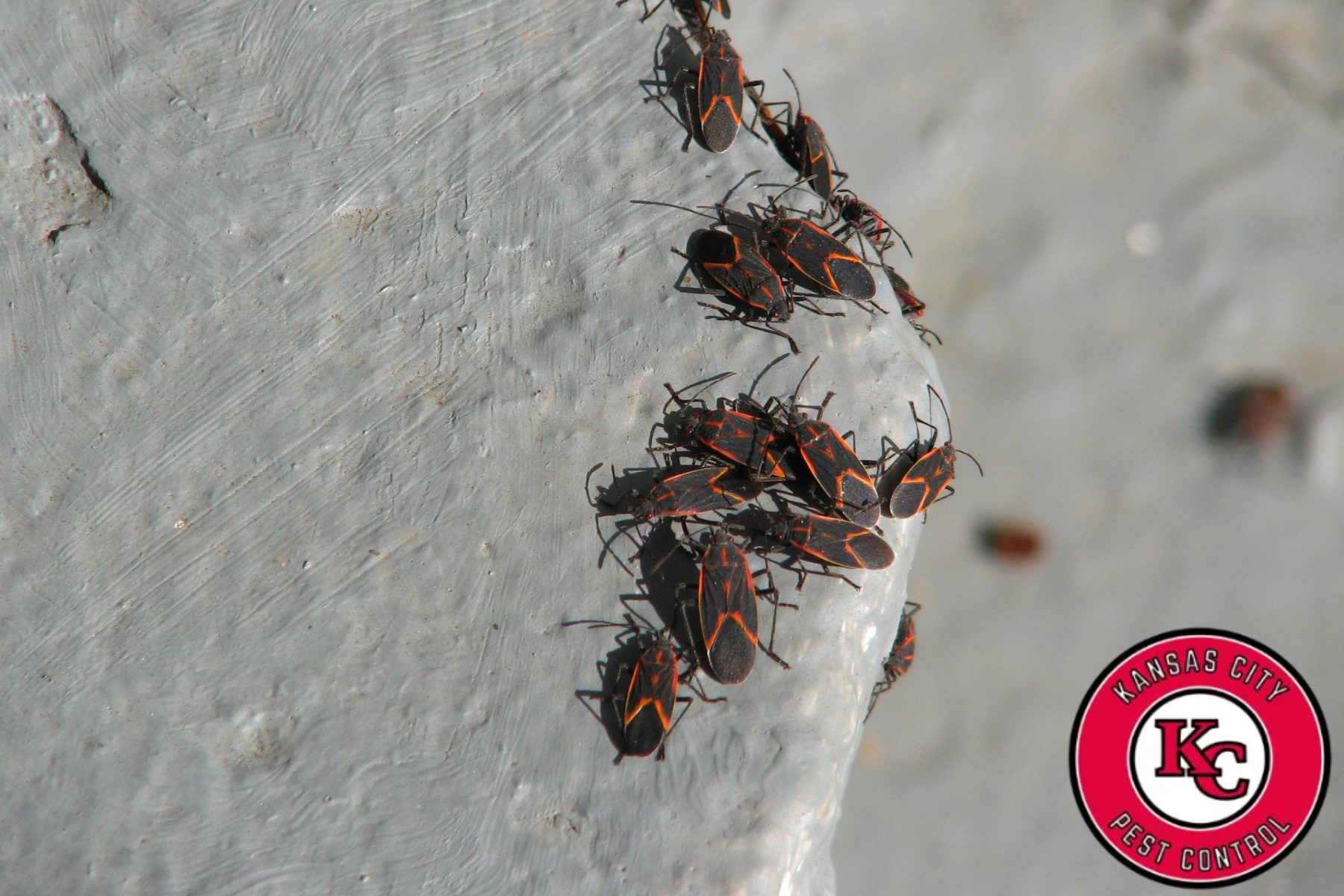
Boxelder bugs may gather in significant numbers on sunny exterior walls, windows, doors, and other warm surfaces.
A few insects may not be concerning, but hundreds or more can become difficult to ignore.
Staining
Crushing boxelder bugs can leave reddish stains on light-colored surfaces, including curtains and other household materials.
For this reason, it is usually better to remove indoor boxelder bugs carefully rather than squashing them against walls or furniture.
Unpleasant Odor
Boxelder bugs can release an unpleasant odor when crushed.
This is another reason to avoid crushing large numbers of them indoors.
Recurring Seasonal Activity
Boxelder bug problems can return seasonally because adults may seek shelter around the same property year after year.
If exterior entry points are not addressed, simply removing the insects that are currently indoors may not prevent another invasion when conditions become favorable.
How Can You Prevent Boxelder Bugs From Entering?
The most effective long-term approach is to reduce opportunities for boxelder bugs to enter the building.
Start by inspecting the exterior for potential entry points.
Seal Cracks and Gaps
Check around:
- Windows and doors
- Utility lines and pipes
- Exterior vents
- Roof and soffit areas
- Foundation openings
- Door frames
- Areas where different building materials meet
Seal appropriate cracks and gaps with suitable materials.
Repair Damaged Screens
Inspect window screens, door screens, roof vents, and other screened openings for tears or gaps.
Even relatively small openings can provide access for nuisance insects.
Install Door Sweeps
Exterior doors should close tightly against the threshold. Door sweeps and properly fitted weather seals can help reduce gaps around entry doors.
Inspect the Exterior Before Fall
Because boxelder bugs often move toward buildings as temperatures cool, exclusion work is most useful before large numbers begin gathering around the structure.
University of Minnesota Extension recommends sealing openings and addressing exterior access points before the insects move indoors.
What Should You Do If Boxelder Bugs Are Already Inside?
If you find a small number of boxelder bugs indoors, physical removal is often the simplest approach.
A vacuum can be used to remove insects without crushing them against walls, curtains, or furniture.
Once boxelder bugs are already inside, treating hidden wall spaces is not necessarily the best approach. University of Minnesota Extension specifically recommends physical removal indoors and notes that treating wall voids is generally not practical.
The more important long-term goal is to reduce the number of insects entering the home in the first place.
Should You Spray Boxelder Bugs?
Treatment depends on where the insects are located and how extensive the activity is.
For outdoor infestations, appropriately labeled exterior treatments may be used when large populations are gathering around a building. University of Minnesota Extension notes that insecticides can supplement exclusion when large numbers of boxelder bugs are present, particularly when treatment is timed before they enter the structure.
However, homeowners should always follow the pesticide label and confirm that the product is labeled for the intended application site and pest.
Once boxelder bugs have emerged inside a home, physical removal is generally more practical than attempting to treat hidden wall spaces.
When Should You Call a Pest Control Professional?
A few boxelder bugs around the exterior may not require professional treatment. However, professional help may be worthwhile when:
- Large numbers are gathering around the home.
- Boxelder bugs repeatedly enter the house.
- You cannot identify where they are getting inside.
- Sealing obvious openings has not solved the problem.
- Seasonal infestations are becoming difficult to manage.
- You are concerned that another insect may be confused with boxelder bugs.
A professional exterminator in Leavenworth, KS can inspect the exterior and interior areas where activity is occurring, identify likely entry points, and determine whether additional pest-management measures are appropriate.
If you are dealing with recurring boxelder bug activity in the area, pest control in Leavenworth, KS can provide professional assistance with identifying the source of the problem and determining an appropriate control strategy.
Frequently Asked Questions
Are boxelder bugs dangerous?
Boxelder bugs are generally considered nuisance pests rather than dangerous household pests. They do not typically cause structural damage or significant harm to people or plants.
Can boxelder bugs bite people?
Boxelder bugs do not normally bite people, although rare reports of human bites exist. They are not considered a significant biting threat.
Do boxelder bugs damage homes?
They generally do not cause structural damage. Their main impact is nuisance activity, including large indoor populations, staining, and odor when crushed.
Do boxelder bugs damage trees?
Boxelder bugs feed on boxelder seeds and may also feed on maple and ash trees. However, they generally do not cause noticeable feeding injury to these trees.
Why are boxelder bugs suddenly in my house?
They often enter buildings during fall while seeking protected locations for winter. Cracks, gaps, damaged screens, and openings around windows, doors, utilities, and other exterior areas can provide entry points.
Do boxelder bugs reproduce inside homes?
They generally do not reproduce inside homes. Adults enter buildings to overwinter and may become active again when indoor temperatures rise.
How do I get rid of boxelder bugs without staining my walls?
Avoid crushing them. For indoor activity, use a vacuum or carefully remove the insects with a broom and dustpan. Then focus on sealing exterior entry points to reduce future invasions.
About Kansas City Pest Control
Kansas City Pest Control helps homeowners address recurring pest problems with practical solutions based on the conditions found around the property. When seasonal pests such as boxelder bugs begin appearing in large numbers, identifying how they are entering the home can be an important part of long-term management.
The goal is not simply to remove the insects that are visible today. Leavenworth pest control can help address potential entry points and the conditions contributing to recurring activity, helping homeowners reduce future boxelder bug problems.
Dealing With a Boxelder Bug Problem?
Boxelder bugs are usually more of a nuisance than a serious threat, but large seasonal populations can still become frustrating when they gather around your home or make their way indoors. Sealing entry points, removing indoor insects carefully, and addressing exterior activity can help keep the problem manageable.
If boxelder bugs continue entering your home despite preventive measures, professional assistance can help identify likely entry points and determine whether additional treatment is appropriate. Homeowners looking for a professional solution can learn more about available pest-management services and take the next step toward protecting their property. Contact us today to get started.
LEARN MORE HERE:
The Safe Way to Get Rid of Boxelder Bugs
Protecting Your Leavenworth Home and Garden from Boxelder Bugs: Tips for Prevention and Treatment