
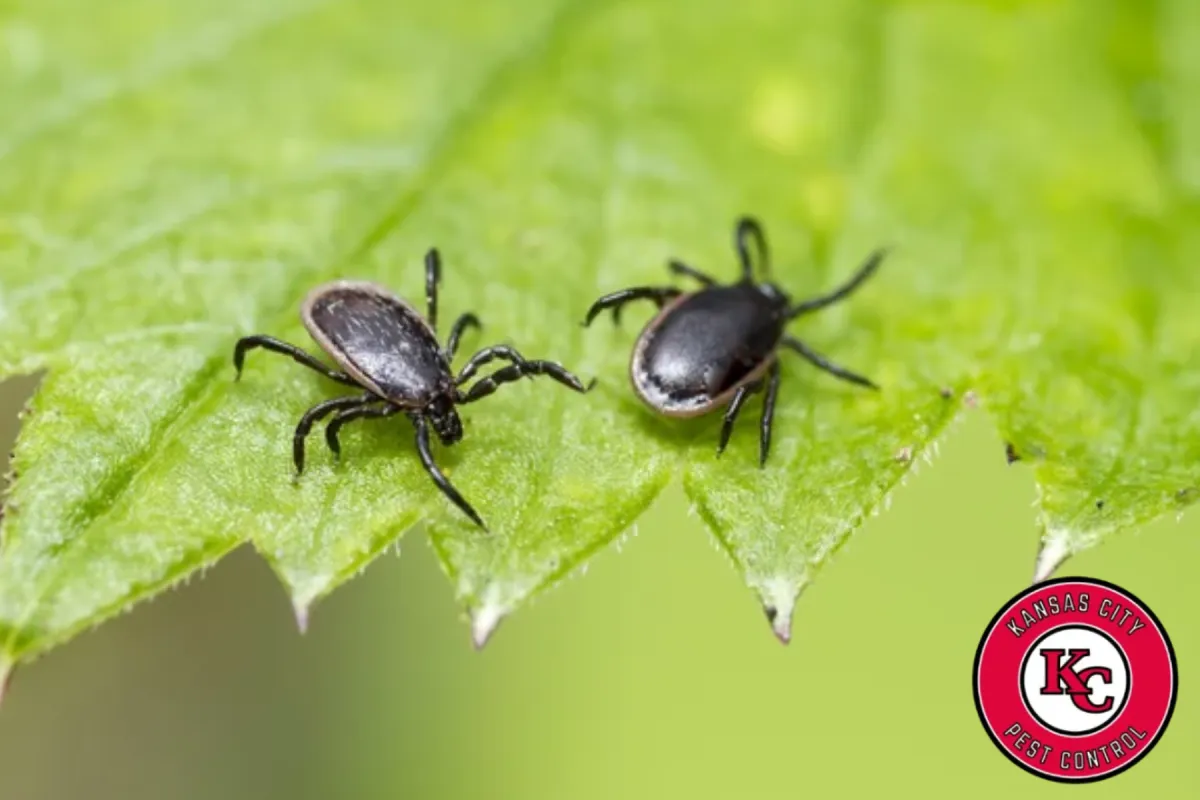
Tick larvae and adults easily survive cold-water wash cycles because they are submergence-tolerant and resistant to standard laundry detergents. To successfully kill these hitchhikers, a high-heat dryer cycle of at least 10 minutes (for dry clothes) or 60 minutes (for wet clothes) is required to induce lethal desiccation.
The Survival Mechanics: Why Water Doesn’t Kill Ticks
If you have ever come home from a hike and thrown your clothes straight into the washing machine, thinking you’ve washed away the risk of ticks, you might be surprised to learn that water is rarely a deterrent. These arachnids are biologically engineered to survive spring floods and heavy rains. Their respiratory systems allow them to enter a state of dormancy while submerged, and their waxy cuticles repel the surfactants found in many household detergents.
During a property audit for a homeowner in our service areas, our technicians noted that many residents rely on cold-water “eco” cycles for their outdoor gear. Unfortunately, unless the water temperature exceeds 54.4°C (130°F), a tick will likely survive the spin cycle and be ready to find a host in your laundry room. This resilience is why families often struggle with infestations even after taking what they believe are the correct precautions.
Comparing Washing vs. Drying Efficacy
The primary “killer” of a tick is not the physical action of the water but desiccation, the process of extreme drying. Ticks require high humidity levels to maintain internal moisture; the desert-like environment of a tumble dryer creates a lethal physiological shock that a washing machine cannot replicate.
| Method | Temperature Setting | Exposure Time | Efficacy Rate |
| Cold Wash | 20°C – 30°C | 30-40 Minutes | Low (Approx. 25% kill) |
| Hot Wash | > 54°C (130°F) | 30-40 Minutes | High (Approx. 95% kill) |
| Dryer (Dry Clothing) | High Heat | 10-15 Minutes | Total (100% kill) |
| Dryer (Wet Clothing) | High Heat | 60 Minutes | Total (100% kill) |
If you are concerned about “seed ticks” (larvae), which are barely the size of a poppy seed, professional Platte City, MO, pest control becomes essential. These larvae often travel in massive clusters, and a single missed hitchhiker can lead to hundreds of bites once they settle into your carpets or furniture.
The Kansas City Pest Control Protocol
We provide a comprehensive shield for your home that extends far beyond the laundry room. Our approach combines regional expertise with results-driven techniques to ensure your property remains a haven. We tackle the tick problem through a multi-layered defense system:
- Regular lawn care and maintenance services: We eliminate the tall grass and moisture-rich environments where ticks wait for a host.
- Grass and vegetation trimmed: By keeping your perimeter clear, you reduce the “questing” sites available to these pests.
- Chemical treatments: We apply targeted barriers in transitional areas where woods meet the lawn to prevent ticks from reaching your house.
- Insect repellent containing DEET: We advise clients on the best personal protection for high-risk outdoor activities.
- Talk to your veterinarian about tick-prevention products: We help you coordinate pet safety to ensure your animals don’t act as “pest taxis” into your living room.
If you have noticed an uptick in activity near your home, a professional exterminator in Platte City, MO, can provide a tailored solution that addresses the specific geography of your land.
Debunking the “Hot Water is Best” Myth
A common industry misconception and a frequent mistake for those seeking pest control in Platte City, MO, is the belief that a hot water wash is the most important step for decontamination. While hot water is more effective than cold, it often fails because many residential water heaters are set below the lethal 130°F threshold to prevent scalding. Additionally, the drum and the clothes themselves can absorb heat, preventing the core temperature from reaching the required kill point.
The high-heat dryer cycle is the true champion of tick eradication. Dry heat pulls moisture directly from the tick’s body, leading to total mortality in a fraction of the time. If you’ve spent the day in a tick-prone area, don’t wait for the wash; throw your dry clothes directly into the dryer for 15 minutes on high heat first to kill any hitchhikers instantly.
Specifications for Tick Eradication in Laundry
To ensure no hitchhikers survive the transition from the woods to your wardrobe, follow these technical specifications for your post-hike routine:
- Heat Thresholds: Ensure your dryer reaches at least 54.4°C (130°F). Use the “Heavy Duty” or “Sanitize” setting for maximum consistency.
- Duration Requirements: 15 minutes is sufficient for dry clothing, while 60 minutes is required for wet clothing to ensure all moisture is removed.
- Post-Cycle Hygiene: Clear the lint trap immediately. Dead larvae can accumulate there, and a professional exterminator can tell you that an unclean trap can lead to poor heat distribution.
People Also Ask
Can ticks survive inside a washing machine for multiple cycles?
Yes. In cold water, ticks can cling to the drum or hide in the folds of heavy fabrics like denim, potentially surviving through several loads until they find a host.
Will tick larvae (seed ticks) die in a cold wash?
Generally, no. Larvae are incredibly resilient, and their small size allows them to hide in seams where water and detergent may not fully penetrate.
What is the best way to prevent ticks in my yard?
Keeping your lawn mown and removing leaf litter is key. For long-term results, professional services can provide barrier treatments that significantly reduce the local population.
Conclusion: Results-Driven Protection
Ticks are more than just a nuisance; they are a threat to your family’s health and peace of mind. By understanding that heat, not water, is your greatest ally, you can manage the hitchhikers that follow you home. However, managing the population in your yard requires regional expertise, and that is where Kansas City Pest Control excels.
Ready to reclaim your backyard?
Don’t let ticks hitch a ride into your home. Whether you need a property audit or a comprehensive barrier treatment, our professional team is here to help. Contact us today.