
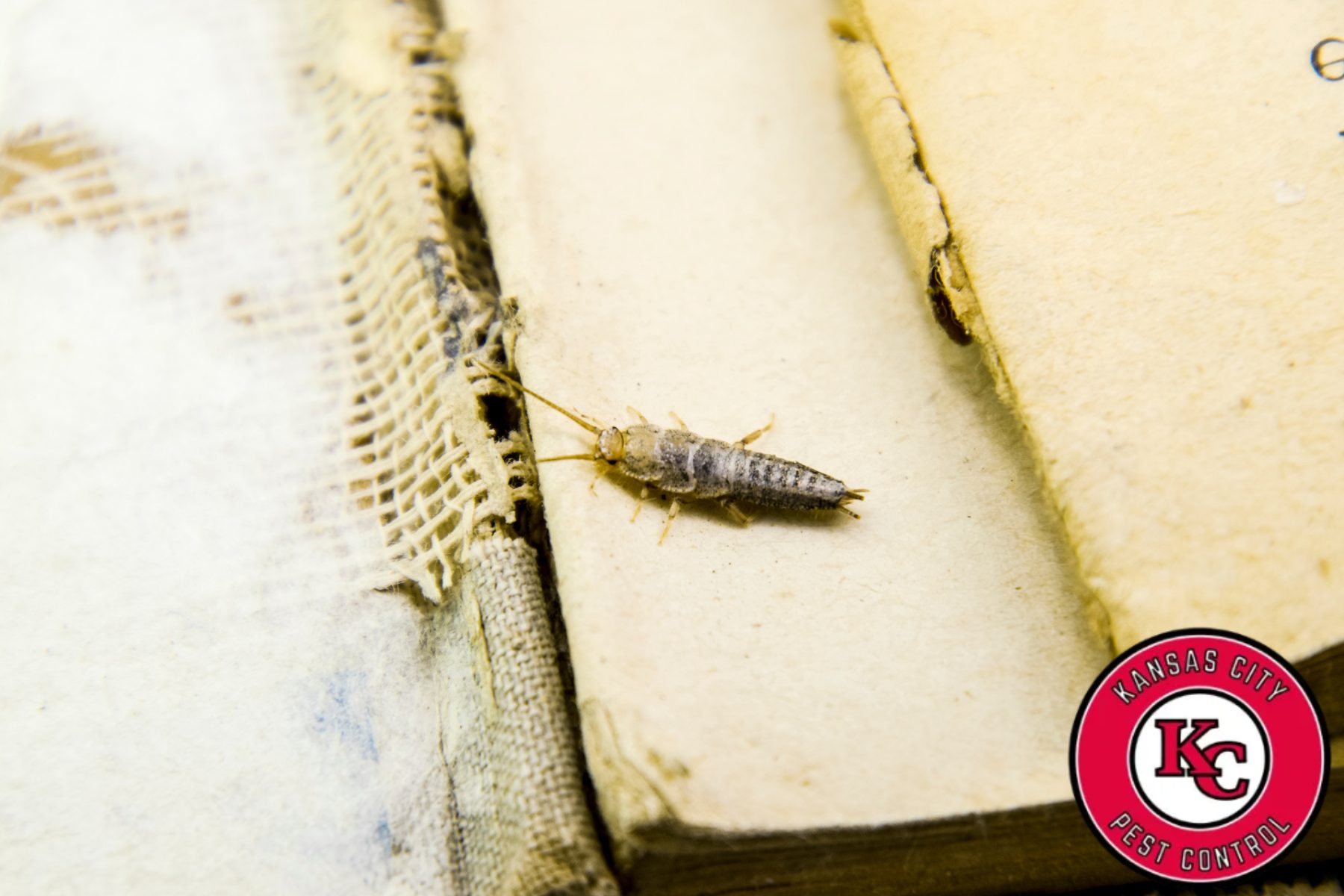
If you’ve ever spotted a tiny, shiny, fast-moving insect darting across your bathroom floor at night, there’s a good chance it was a silverfish. These ancient, wingless insects might not bite or spread disease, but their presence can still be frustrating and even damage your belongings. Understanding why they’re drawn to your home, how they thrive, and what you can do to keep them away for good is the first step.
What Are Silverfish?
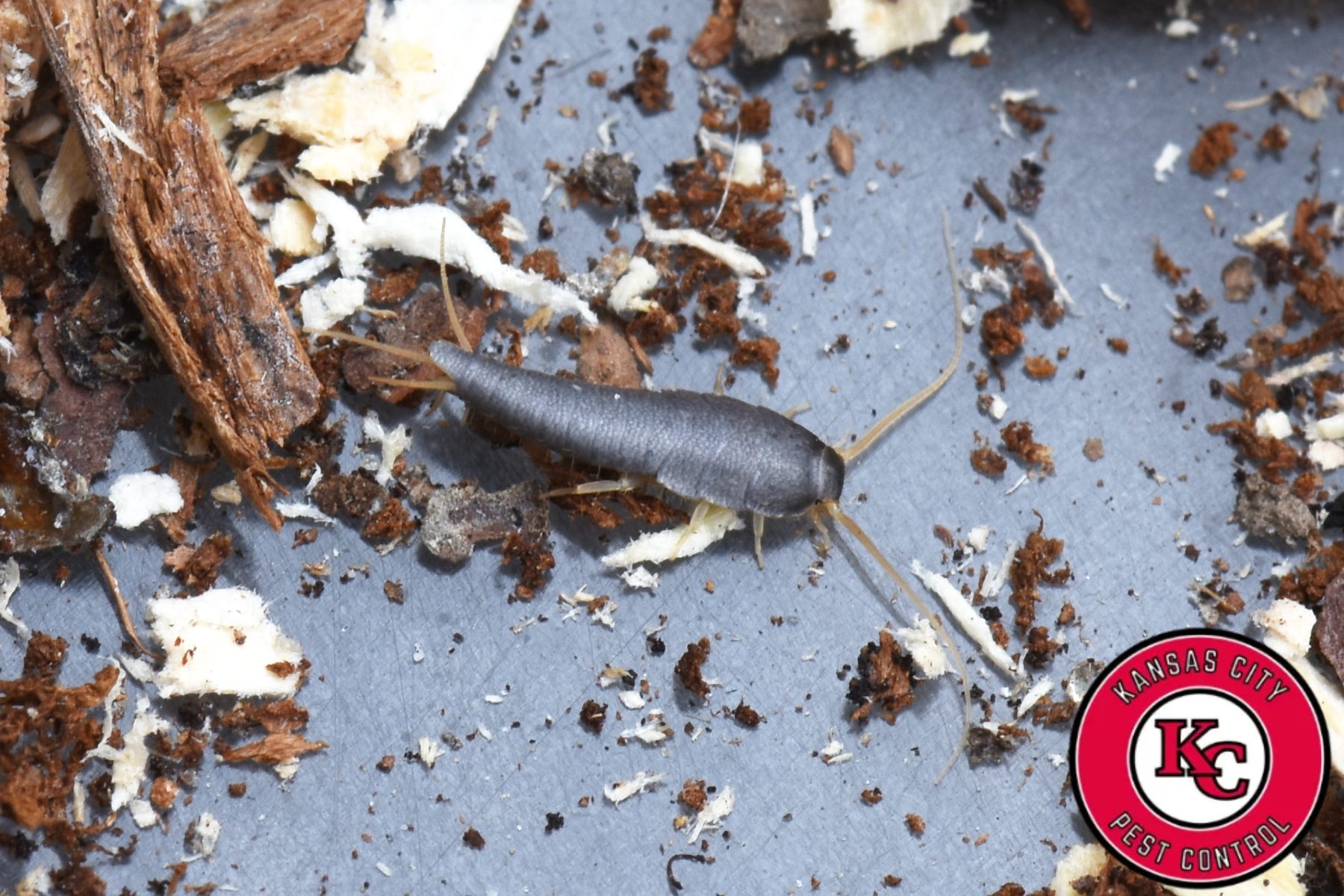
Silverfish are small, wingless insects with a metallic sheen and a fish-like appearance, hence the name. They measure about ½ inch to ¾ inch in length and are characterized by their teardrop-shaped bodies, long antennae, and three bristle-like appendages at the end of their abdomens.
These pests are primarily active at night and tend to hide in dark, damp areas such as basements, bathrooms, attics, laundry rooms, and behind walls. Silverfish feed on starchy materials like paper, glue, cardboard, and even certain fabrics, making them particularly damaging to stored belongings.
Understanding Silverfish Reproduction
Silverfish may look harmless at a glance, but they’re persistent pests. These wingless insects are known for their long lifespans and ability to reproduce in large numbers under the right conditions.
A single female silverfish can lay multiple batches of eggs throughout the year. Depending on the environment, these eggs can hatch in just a few weeks. Moist, dark, and warm environments, like bathrooms, basements, and under sinks, create the perfect conditions for breeding.
The real problem? By the time you spot adult silverfish, eggs and silverfish larvae may already be hidden in hard-to-reach areas of your home.
What Do Silverfish Eggs Look Like?
Silverfish eggs are incredibly small and difficult to detect without close inspection. However, there are specific features that can help you identify them.
Appearance
- Color: Silverfish eggs are typically white or cream-colored when freshly laid.
- Shape: The eggs are oval and resemble tiny grains of rice or capsules.
- Size: Each egg is about 0.8 mm to 1 mm in length, about the size of a pinhead.
- Texture: They may appear smooth or slightly grainy under a microscope.
Over time, these eggs can become more yellowish or translucent, especially in humid environments. Because of their size and coloration, they easily blend in with dust, debris, or the surfaces they’re laid on.
Where They’re Found
Silverfish don’t lay eggs just anywhere. They prefer secluded, undisturbed locations that provide warmth and moisture. Common egg-laying spots include:
- Cracks in baseboards and flooring
- Under bathroom or kitchen sinks
- Behind wallpaper or peeling paint
- Inside books, boxes, and storage containers
- Within folds of fabric or behind furniture
These eggs are often laid in hidden crevices, so even if you suspect an infestation, you may not see them right away.
Will Silverfish Bite?
A common concern among homeowners is whether silverfish bite. Fortunately, the answer is no, silverfish do not bite or sting humans. They don’t carry diseases either, but their presence is still problematic due to the destruction they cause to items like books, wallpaper, and pantry goods.
Although they’re harmless in terms of physical harm, a silverfish infestation can quickly escalate if left untreated. Understanding their habits and preferred environments is the first step in controlling them effectively.
Why Silverfish Are Attracted to Homes
Silverfish are nocturnal pests that prefer dark, humid environments. They’re most commonly found in bathrooms, basements, attics, laundry rooms, and kitchens. Their small, flattened bodies allow them to slip into tight cracks and crevices, making them difficult to detect during the day.
One of the primary reasons homeowners find silverfish in the house is the abundance of food sources they provide. Silverfish feed on carbohydrates and proteins, especially materials containing starch, sugar, or cellulose. This includes wallpaper paste, book bindings, paper, cardboard, fabric, and even certain pantry items like flour and oats.
Understanding Where Silverfish Come From
Homeowners often ask, “Where do silverfish come from?” While they may be living in your home unnoticed for a while, they can also enter from outside. They are skilled at finding entry points through gaps around windows, doors, vents, and utility lines. Silverfish are naturally drawn to areas with consistent moisture, so a leaky pipe, high indoor humidity, or poor ventilation can make your home especially appealing.
Their survival instincts are impressive; they can live for months without food and easily hide in wall voids, under baseboards, or within stored items in cardboard boxes. Once inside, they can breed quickly, making them difficult to eliminate without proper control measures.
The Risks of a Silverfish Infestation
While silverfish do not pose direct health threats to humans or pets, they can cause damage over time. They’re known to chew through important documents, books, wallpaper, and stored clothing. Infestations can be particularly frustrating for collectors or anyone with valuable paper-based possessions.
Their presence can also be an indicator of larger issues in the home. Persistent sightings might indicate high humidity, plumbing leaks, or poor ventilation, all of which can contribute to other pest problems as well.
How to Stop Silverfish
If you’ve noticed silverfish activity, taking action early is key. Here are some effective steps to help control and prevent them:
1. Reduce Moisture
Since silverfish thrive in humid environments, managing moisture is essential. Use dehumidifiers in basements, fix leaks promptly, and ensure bathrooms and laundry rooms have proper ventilation.
2. Seal Entry Points
Inspect your home’s exterior for cracks, gaps, and openings. Sealing these areas with caulk or weatherstripping can help reduce the risk of silverfish and other pests entering the home.
3. Remove Clutter
Silverfish often hide in stacks of paper, cardboard boxes, or fabric. Keeping storage areas tidy and using sealed plastic containers can eliminate many hiding spots.
4. Protect Valuables
For important documents, books, and clothing, use airtight containers or sealed cabinets. This not only protects against silverfish but also other storage pests.
5. Professional Treatment
If the infestation persists, it may be time to contact a licensed pest control in Lee’s Summit. Searching for silverfish control can connect you with professionals who have the expertise and tools to eliminate silverfish effectively while addressing the root causes of the problem.
When Silverfish Become a Persistent Problem
For some homeowners, silverfish sightings are rare and can be easily managed with preventive measures. However, in cases where the pests have established a hidden population, professional help is often the most effective solution.
A trained exterminator in Lee’s Summit can identify the specific conditions that attract silverfish and create a targeted removal plan. This can include environmentally safe treatment methods and long-term prevention strategies tailored to your home’s needs.
Keeping Your Home Silverfish-Free
Preventing silverfish is often easier than dealing with a full infestation. By keeping your home clean, dry, and well-sealed, you make it much less inviting to these persistent pests. Regular inspections, especially in damp or cluttered areas, can help you catch any activity before it escalates.
Even after a successful treatment, ongoing prevention is important for long-term pest control in Lee’s Summit, MO. Checking for leaks, maintaining proper ventilation, and storing items in sealed containers can help protect your home from silverfish and other moisture-loving pests.
Frequently Asked Questions
Why am I seeing silverfish in my house at night?
Silverfish are nocturnal pests that become more active in dark and humid areas of the home, especially bathrooms, basements, kitchens, and laundry rooms.
Why am I seeing silverfish in my house even when it looks clean?
Silverfish are attracted to moisture, paper products, cardboard, fabric, and hidden food sources, so even clean homes can experience infestations if humidity levels are high.
Can silverfish damage my home or belongings?
Yes. Silverfish can damage books, wallpaper, clothing, cardboard boxes, and important documents by feeding on materials that contain starch or cellulose.
How can I prevent silverfish from coming back?
Reducing indoor moisture, sealing cracks and gaps, improving ventilation, and keeping storage areas organized can help lower the risk of future silverfish activity.
About Kansas City Pest Control
Kansas City Pest Control is a trusted pest management company serving homes and businesses throughout the Kansas City area. Specializing in safe, effective, and environmentally responsible treatments, we handle a wide range of pests, including silverfish, spiders, ants, rodents, and more. Our team uses proven strategies to identify the source of infestations and provide long-lasting solutions. Whether you need targeted services like silverfish control or comprehensive pest protection, we are committed to keeping your property pest-free.
Stop silverfish before they spread throughout your home. Contact us today for reliable pest control and long-term protection against unwanted pests.
Learn more here:
How to Kill Silverfish: A Homeowner’s Guide to Eliminating These Pesky Insects