
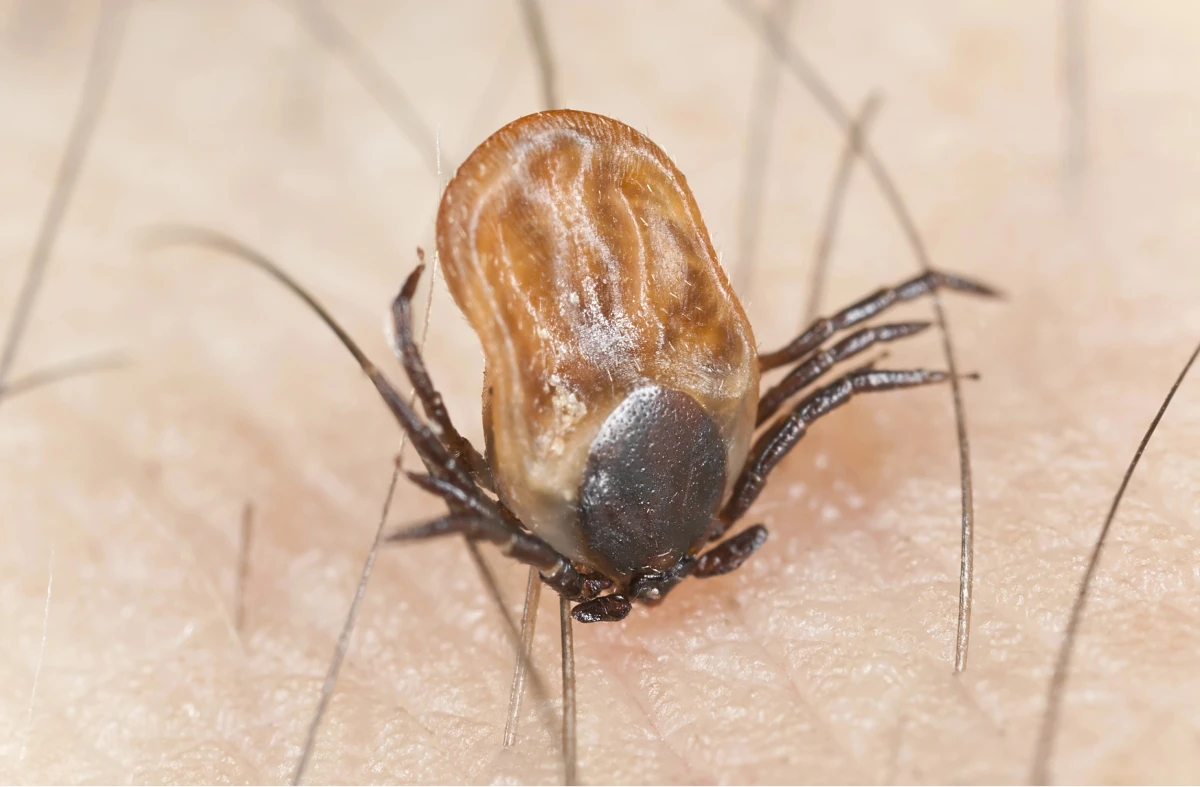
Effective home pest removal in Shawnee, KS, starts with identifying the pest, locating where it is entering or nesting, and addressing the conditions that allow it to remain. The right approach depends on the type of pest, the extent of the activity, and whether the problem involves an isolated sighting or an established infestation. Inspection, targeted treatment, and practical prevention measures can help resolve existing pest problems and reduce the likelihood of recurring activity.
But how do you know when a pest problem requires professional attention? Repeated sightings, droppings, damaged materials, and other warning signs can indicate that pests are living or reproducing inside your home. Understanding these clues can help you recognize an infestation and determine the next appropriate step.
Does Seeing One Bug Mean You Have an Infestation?
Not necessarily. Some pests enter homes accidentally while searching for food, moisture, shelter, or a way to escape changing outdoor conditions. A single insect near a door or window, for example, may not indicate an established indoor population.
However, one sighting should not automatically be dismissed. Certain pests are difficult to detect because they hide in wall voids, cabinets, crawl spaces, furniture, or other areas people rarely inspect.
Consider these factors when evaluating a sighting:
- Frequency: Are you seeing the same type of pest repeatedly over several days?
- Location: Are pests appearing in one isolated spot or throughout multiple rooms?
- Time of day: Are you noticing activity at consistent times, such as rodents moving after dark?
- Additional evidence: Are there droppings, shed skins, damaged packaging, gnaw marks, or nesting materials?
- Pest behavior: Does the insect appear to be entering from outside, or does it seem to be emerging from a hiding place indoors?
One sighting may be incidental, but repeated activity or supporting evidence deserves closer inspection.
What Are the Signs of a Pest Infestation?
The strongest indication of an infestation is usually a combination of signs rather than one isolated clue. Different pests leave different types of evidence, so it helps to know what to look for.
1. Repeated Pest Sightings
Seeing the same pest several times can suggest that more individuals are present nearby. This is particularly important when sightings occur in the same room, around the same entry point, or near a consistent food or moisture source.
For example:
- Ants repeatedly following the same trail may be traveling between a food source and their colony.
- Cockroaches appearing regularly in kitchens or bathrooms may indicate nearby hiding places.
- Fleas continuing to appear on pets or around resting areas may suggest an ongoing life cycle in the home.
- Rodents repeatedly moving through an attic or garage may be using the area as a regular travel route.
Pay attention to patterns instead of judging the problem by the number of pests you see at one time.
2. Droppings and Other Waste
Pest droppings can indicate where animals or insects have been active. Their appearance and location may help narrow down the possible pest.
Examples include:
- Rodents: Small, dark, pellet-shaped droppings may appear near food storage areas, along walls, inside cabinets, or in attics.
- Cockroaches: Droppings may look like small dark specks or pepper-like material, particularly in areas where roaches hide.
- Bed bugs: Small dark fecal spots may appear around mattress seams, bed frames, and nearby furniture.
- Birds and other wildlife: Larger amounts of droppings may accumulate around nesting or roosting locations.
Do not handle unidentified droppings with bare hands or sweep or vacuum potentially contaminated material without appropriate precautions. Rodent waste, in particular, can carry health risks. If you are unsure what you have found, avoid disturbing it and seek appropriate guidance.
3. Unusual Sounds in Walls, Ceilings, or Attics
Scratching, scurrying, squeaking, or gnawing sounds may indicate rodent activity, especially when they occur repeatedly.
Listen for:
- Scratching or movement inside walls.
- Scurrying sounds above ceilings.
- Gnawing noises near cabinets or stored materials.
- Repeated movement around attic spaces.
- Sounds that become more noticeable after dark.
These noises are not proof of an infestation on their own. Plumbing, heating systems, and other household components can also produce unusual sounds. Look for supporting evidence before deciding that pests are responsible.
4. Damage to Food Packaging, Wood, or Household Materials
Some pests leave visible damage while searching for food, building nests, or moving through a property.
Check for:
- Torn or chewed food packaging.
- Gnaw marks on cardboard, plastic, or wood.
- Small holes in stored fabrics or other materials.
- Damaged insulation or nesting materials.
- Hollow-sounding or visibly damaged wood that may warrant a termite inspection.
Different pests cause different types of damage. For example, rodents gnaw to maintain their teeth and access food or nesting materials, while termites feed on cellulose-containing materials. Do not assume that every hole or damaged surface is caused by pests; investigate the location and look for additional clues.
5. Nests, Eggs, or Shed Insect Skins
Evidence of reproduction or repeated development can be a stronger indication of an established pest presence.
Depending on the pest, you may find:
- Rodent nesting materials made from shredded paper, fabric, or insulation.
- Cockroach egg cases in sheltered areas.
- Bed bug eggs or shed skins around sleeping areas and furniture.
- Insect larvae in stored food, fabrics, or other materials.
Finding these signs does not always reveal the size of the infestation. However, it suggests that the pest may be using the area for more than a brief visit.
Where Should You Look for Signs of Pest Activity?
Pests often stay close to the resources they need. Food, water, warmth, and protected hiding places can make certain parts of a home more attractive than others.
Use the following areas as starting points during a visual inspection.
Kitchen and Pantry
Check:
- Inside and behind cabinets.
- Around the refrigerator and stove.
- Under sinks and near plumbing.
- Along pantry shelves and food storage areas.
- Around trash containers and recycling bins.
Look for droppings, damaged packaging, insect activity, and moisture from leaks.
Bathrooms and Laundry Areas
Inspect:
- Around sinks, toilets, and plumbing connections.
- Behind washing machines.
- Near floor drains.
- Around damp cabinets and storage areas.
- Along baseboards and wall openings.
Moisture can attract several types of pests, particularly when leaks or persistent dampness are present.
Basement, Garage, and Utility Spaces
These areas may provide shelter and access to entry points. Look around:
- Foundation walls and floor edges.
- Stored boxes and seldom-used belongings.
- Water heaters and utility equipment.
- Garage doors and exterior-facing walls.
- Pipes, vents, and other openings.
Pay attention to droppings, gnaw marks, nesting materials, and repeated pest sightings.
Bedrooms and Living Areas
Inspect:
- Mattress seams and bed frames if bed bugs are suspected.
- Upholstered furniture and nearby crevices.
- Baseboards and areas behind furniture.
- Closets and stored clothing.
- Pet bedding and resting areas.
Avoid moving potentially infested belongings between rooms before you understand the problem. Doing so can unintentionally spread certain pests.
Why Do Pests Keep Returning to the Same Areas?
Repeated pest activity often means something in or around the property continues to attract them or gives them access to shelter.
Several conditions can contribute:
Accessible Food Sources
Unsealed food, crumbs, pet food, and uncovered trash can attract insects and rodents. Even small amounts of food residue may provide a reason for pests to revisit an area.
Moisture and Water Sources
Leaking pipes, damp storage areas, clogged drains, and standing water can create favorable conditions for certain pests. Cockroaches, ants, mosquitoes, and other insects may be drawn to available moisture, depending on the species.
Entry Points Around the Home
Small gaps around doors, windows, foundations, utility lines, and vents can provide access for pests. Damaged screens and poorly sealed openings may also allow insects to enter.
Nearby Shelter and Vegetation
Leaf piles, dense vegetation, stacked firewood, clutter, and outdoor debris can provide shelter for some pests. When these areas are close to the home, pests may have more opportunities to move indoors.
Hidden Nesting or Breeding Areas
Some pests can establish themselves in places that are difficult to see, including wall voids, attics, crawl spaces, and protected areas behind appliances. Cleaning visible surfaces may not address the source if activity continues elsewhere.
What Should You Do If You Suspect a Pest Infestation?
If you notice repeated activity or signs of an infestation, start by documenting what you find. Avoid applying multiple pest products before identifying the pest and understanding where it is active.
Follow these steps:
- Identify the pest if possible. Take a clear photograph from a safe distance. Avoid handling unfamiliar insects or animals.
- Record where and when you see activity. Note the room, location, time, and frequency of sightings.
- Look for supporting evidence. Check nearby areas for droppings, damage, nesting materials, shed skins, or other signs.
- Remove accessible food and water sources. Store food in sealed containers, clean up spills, and address plumbing leaks.
- Reduce clutter carefully. Keep storage areas organized, but avoid moving potentially infested belongings into other rooms.
- Address obvious entry points when safe. Repair damaged screens and seal suitable gaps without blocking necessary ventilation or access to utility equipment.
- Monitor the affected area. Check whether activity continues and whether new evidence appears.
These steps can help reduce conditions that attract pests, but they may not eliminate an established infestation. The right response depends on the pest species, the location of activity, and the extent of the problem. If the problem persists, an exterminator in Shawnee, KS, can help identify the source of the infestation and recommend an appropriate treatment approach.
When Should You Call a Pest Control Professional?
Professional help may be appropriate when pest activity is recurring, difficult to identify, or associated with damage or potential health risks.
Consider arranging an inspection if:
- You repeatedly see pests despite cleaning and preventive measures.
- Droppings, nesting materials, or other evidence continue to appear.
- You suspect rodents are nesting inside walls, ceilings, or attic spaces.
- You find signs of termites or other wood-damaging pests.
- You cannot locate where insects are entering or reproducing.
- DIY products have not resolved the issue.
- You are unsure how to handle a potentially hazardous pest problem safely.
A professional inspection should begin with identifying the pest and evaluating the evidence. Depending on the situation, this may involve examining affected rooms, checking likely hiding places, looking for entry points, and determining whether activity is isolated or more widespread.
The recommended response should match the pest and the conditions contributing to the problem. Treatment may involve targeted applications, monitoring, sanitation recommendations, exclusion measures, or follow-up visits when appropriate.
Choose a provider that considers both visible activity and the conditions that may allow pests to remain. A knowledgeable Shawnee pest control professional should be able to explain what the inspection reveals and why a particular approach is recommended.
If the source of activity is unclear or the problem keeps returning, speaking with an exterminator can help determine the next appropriate step. You can also learn more about professional pest control in Shawnee, KS.
Frequently Asked Questions
Can one cockroach mean there are more hiding nearby?
It is possible, but one cockroach does not automatically prove an infestation. Check for repeated sightings, droppings, egg cases, and activity around kitchens, bathrooms, and other sheltered areas.
How do I know if mice are living inside my home?
Common signs include droppings, gnaw marks, shredded nesting materials, scratching sounds, and repeated movement along walls or inside storage areas. A combination of these clues is more useful than one sign alone.
Can pests live in walls without being seen?
Yes. Some pests use wall voids, ceiling spaces, and other concealed areas for shelter or movement. You may notice sounds, odors, droppings, or damage before seeing the pests themselves.
Are pest droppings always a sign of an active infestation?
Not necessarily. Droppings indicate that pests have been present, but they do not always show whether activity is ongoing. Their location, condition, and whether new droppings appear can provide additional clues.
Should I use insecticide as soon as I see a pest?
Not automatically. First, try to identify the pest and understand where it came from. Using an unsuitable product or applying it incorrectly may create unnecessary exposure without resolving the underlying problem.
Conclusion
One pest sighting does not always mean your home has an infestation, but repeated activity and supporting evidence should not be ignored. Checking where pests appear, looking for signs of nesting or damage, and identifying possible food, moisture, and entry points can help you understand what is happening. Kansas City Pest Control can help homeowners identify pest concerns and determine the appropriate steps to address recurring activity.
The earlier you identify a recurring pest problem, the sooner you can take appropriate steps to address it and reduce the conditions that allow it to continue.
Need Help Identifying a Pest Problem?
If you are finding repeated signs of pest activity and cannot determine the source, professional guidance can help you understand what is happening and what to do next. Contact us today to discuss your concerns and explore the appropriate next step for your property.
LEARN MORE HERE:
Kansas City Pest Control: Proven And Tested Solutions