
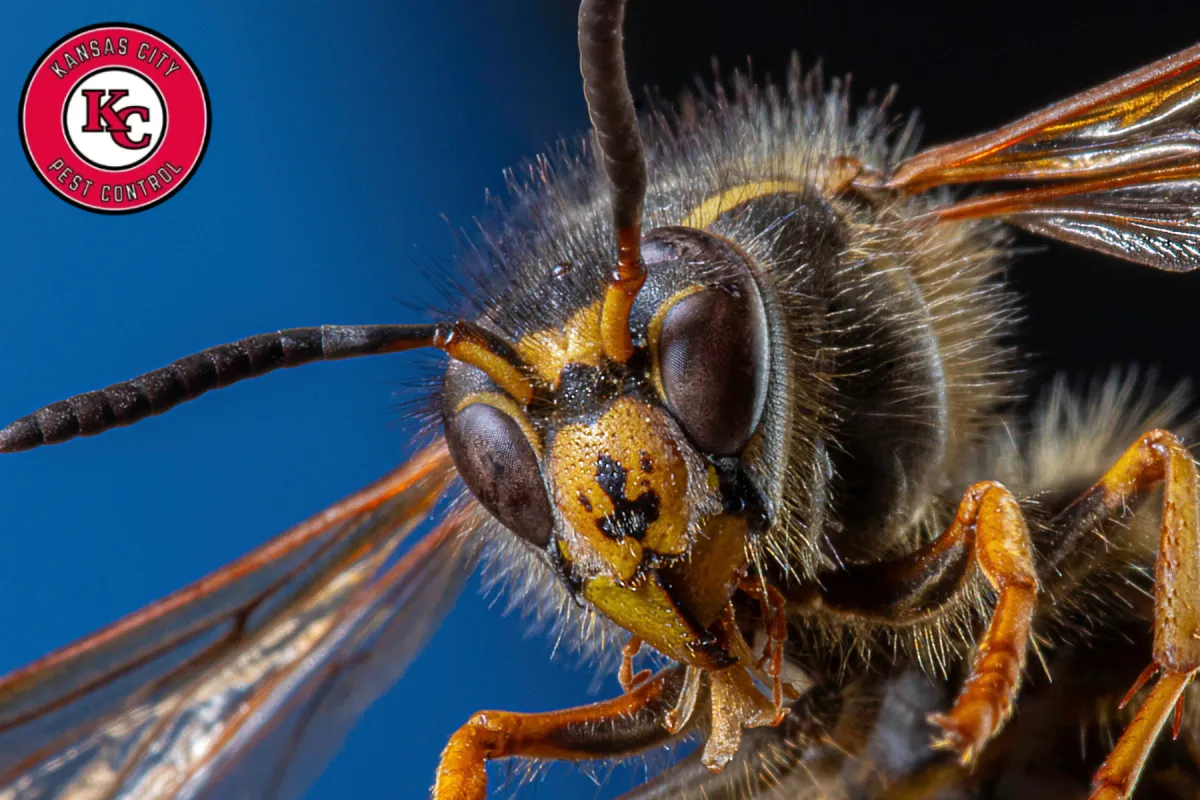
Wasps may build nests in the same areas because those spots still offer shelter, protection from weather, and access to food. Removing an old nest does not remove these conditions, so new wasps may choose the same location later. Repeated activity does not always mean the original nest is still there.
Why Do Wasps Choose the Same Nesting Spots?
Wasps look for places where they can build a nest with some protection from rain, wind, and disturbance. If a location meets these needs, it may attract wasps again even after an old nest has been removed.
Sheltered Areas Protect Nests
Roof eaves, porch ceilings, sheds, and covered patios can provide shelter from the weather. Some wasps build paper-like nests beneath these structures, while others use gaps and hidden spaces.
Removing a nest does not change the structure around it. If the same sheltered corner remains available, wasps may choose it again during a later nesting season.
Nearby Food Sources Attract Wasps
Many wasps hunt insects to feed their young. Some also seek sugary foods, ripe fruit, and food scraps around outdoor eating areas and trash cans.
These food sources may make a property attractive to wasps, but they do not automatically mean a nest will form nearby. Nesting also depends on the species, the season, and the availability of a suitable place to build.
Small Gaps Provide Access to Hidden Spaces
Some wasps build nests in wall cavities, roof spaces, sheds, or other sheltered openings. These nests can be difficult to see from the ground.
If wasps repeatedly fly toward the same crack or opening, a nest may be inside or behind the structure. Do not seal the opening while wasps may still be nesting inside. They could try to find another way out, potentially moving into occupied spaces.
Do Wasps Return to an Old Nest After It Is Removed?
Not always. Wasps flying around a former nest may be investigating the area, following a familiar route, or traveling to another nest nearby. A new nest may also appear in the same location later.
A New Queen May Choose the Same Area
Many social wasp colonies follow a seasonal life cycle. In many species, new queens leave their original colonies and establish nests during a later season. A sheltered location that worked well before may suit a new colony, even when the previous nest is gone.
This means a nest appearing in the same spot does not necessarily belong to the original colony. The location may simply offer the shelter and access the wasps need.
Wasps May Still Be Active Near the Former Nest
After a nest is removed, some wasps may continue flying around the area for a time. This does not prove that a new nest has formed.
Watch from a safe distance for repeated flight paths toward a specific opening or a newly built nest. If activity continues or increases, further inspection may be needed.
A Hidden Nest May Have Been Missed
A visible nest is not always the only nest on a property. Some wasps nest underground or inside wall and roof spaces. Removing a nest that can be seen may not address a separate nest nearby.
If you notice wasps repeatedly entering and leaving one small opening, do not block it or reach inside. A professional inspection can help determine where the insects are nesting and what action is appropriate.
What Makes Wasps Build Nests Near the Same Spot?
Several conditions may explain why a particular area attracts nesting activity again.
| Condition | Why it matters | What to check |
| Sheltered corners | Offer protection from rain and wind | Eaves, porch ceilings, and roof edges |
| Open gaps | Provide access to covered or hidden spaces | Wall cracks, roof joints, and utility openings |
| Nearby food | Provides food for adult wasps or their young | Outdoor trash, fruit, and food scraps |
| Seasonal activity | New colonies may form during warmer months | Recurring activity at familiar nesting sites |
| Hidden spaces | Make nests difficult to see | Repeated flight paths toward gaps or cavities |
For homeowners in Platte City, recurring wasp activity around a roofline, porch, or shed may be linked to a sheltered spot that remains available after a nest is removed. Checking the area from a safe distance can help identify where activity is concentrated without disturbing the insects.
How Can Homeowners Reduce the Chance of Another Wasp Nest?
You cannot guarantee that wasps will never choose the same area again, but practical steps can help reduce some of the conditions that make a property attractive to them.
1. Check Common Nesting Areas From a Safe Distance
Look for early signs of nest building under eaves, porch ceilings, sheds, and roof overhangs. Watch for repeated wasp traffic toward a small gap or cavity.
Do not touch, shake, knock down, or spray a nest just to check whether it is active. If wasps are gathering in a hard-to-reach area, leave the inspection and treatment to a professional.
2. Reduce Outdoor Food Sources
Keep outdoor trash cans closed, clean up food spills, and remove sugary drink residue from patios and outdoor tables. Store ripe fruit properly and avoid leaving pet food outside for long periods.
These steps can reduce some food sources that attract wasps. They may help make the area less appealing, but they will not stop every species from visiting your property.
3. Repair Suitable Gaps and Openings
Damaged screens, worn seals, and structural gaps can provide access to sheltered areas. Repairing these openings may help reduce access, provided no active nest is inside.
Never seal a suspected nest entrance without first confirming that it is safe to do so. Wasps trapped inside a wall or roof space may try to find another route.
4. Keep Track of Repeated Activity
Note where wasps appear, the direction they fly, and whether the activity continues over several days. This information can help narrow down a possible nest location.
If you are considering pest control in Platte City, MO, sharing these observations with a professional can help guide the inspection. Do not follow the insects too closely or stand beneath a suspected nest to observe their movements.
Common Wasp Control Myth: Removing the Old Nest Stops Wasps From Returning
Removing a nest does not guarantee that wasps will avoid the area in the future. The nest may be gone, but the sheltered corner, roof gap, or other nesting space may still be suitable.
Activity may continue for several reasons:
- Wasps may still be flying nearby. Some insects may continue visiting the former nest area for a time.
- A new colony may build there later. A different queen or group of wasps may select the same suitable spot.
- Another nest may be hidden nearby. Activity from a concealed nest can be mistaken for a return to the old one.
- The surrounding conditions may remain unchanged. Shelter and access points may continue to make the area suitable for nesting.
The better approach is to address the nest and assess the conditions around it. Nest removal, follow-up inspection, and prevention are different steps. The right combination depends on the wasp species and where the nest is located.
Applying Our Wasp Nest Removal and Control Methods to Solve This
Kansas City Pest Control uses a process designed to locate wasp nests and choose a suitable way to address them. The approach may include following the insects’ flight path, treating or removing the nest, and using traps or baits when the nest cannot be located. Safety precautions are important throughout the process.
1. Locate the Nest by Following the Wasps’ Flight Path
Wasps often travel between their nest and nearby food sources. From a safe distance, observing where they repeatedly enter or leave an area can help narrow down the nest location.
This is useful when the nest may be hidden behind a wall, beneath a roof edge, or inside another structure. However, a flight path alone does not always reveal the exact nest. The inspection must also account for the building and the wasp species.
Homeowners should not stand close to a nest or follow wasps into a confined space. If the insects are gathering near an entrance or moving into a wall cavity, a professional can assess the area more safely.
2. Destroy the Nest With Suitable Insecticides or Mechanical Removal
Once the nest is located, treatment may involve insecticides or other appropriate chemicals, or mechanical removal when suitable. The method depends on the nest’s location, accessibility, wasp activity, and the risks to people nearby.
An exposed nest beneath an eave may require a different approach from one inside a wall cavity. Attempting removal without the right equipment or training can provoke defensive behavior and increase the risk of stings.
Products must be used according to their labels, including any instructions about people, pets, food, and treated areas. Mechanical removal should also be handled with the right equipment and precautions.
3. Use Traps and Baits When the Nest Cannot Be Located
If the nest cannot be found, Kansas City Pest Control may use traps and baits to lure wasps away from areas where people are likely to encounter them. These methods can help manage activity in selected areas, depending on the wasp species and site conditions.
Traps and baits are not a substitute for nest removal when an active nest has been located and requires treatment. Placement also matters: a poorly chosen location could attract wasps closer to people. A professional can assess whether this approach is suitable and where the devices should be placed.
4. Follow Safety Precautions During Treatment
Wasps may defend their nest when they sense a threat. Avoid disturbing nests, blocking active entrances, climbing ladders near wasp activity, or applying chemicals without understanding the product directions.
Treatment should account for nearby people, pets, walkways, and the location of the nest. A professional should explain any precautions needed before, during, and after service.
For homeowners comparing Platte City pest control options, look for a company that explains its inspection and treatment process, considers the nest location, and provides clear guidance on safety and follow-up.
People Also Ask: Wasps Rebuilding Nests
Why do wasps keep coming back after a nest is removed?
The area may still offer shelter and access to food. Wasps may also continue flying around the former nest, or a new colony may choose the same spot during a later season.
Do wasps reuse old nests?
Many social wasps do not reuse an old colony nest in the way people might expect. However, new nests may be built in the same suitable location. Behavior depends on the species.
How long will wasps stay around after nest removal?
Some wasps may continue flying around the former nest area for a time. The duration varies. If you see repeated traffic toward a specific opening or a new nest forming, arrange a closer inspection.
Will removing a wasp nest stop wasps from returning?
Not necessarily. Removing the nest addresses the existing structure, but the area may remain suitable for future nesting. Checking for hidden nests and addressing suitable openings may also be needed.
Can wasps build nests inside walls or roofs?
Yes. Some species nest in wall cavities, roof spaces, or other concealed areas. Repeated wasp traffic toward one opening may be a sign of a hidden nest.
Get Help With Recurring Wasp Activity
When wasps build nests in the same area again, the old nest may not be the only concern. The location may still provide shelter, a hidden nest may have been missed, or a new colony may have chosen the spot. Identifying the likely source helps determine the next step.
Contact an exterminator in Platte City, MO if the nest is hidden, high up, difficult to reach, near a busy entrance, or associated with repeated activity after removal. Keep people away from the nest, especially anyone with a known severe sting allergy.
Kansas City Pest Control provides pest management for homes and businesses. Our team can assess recurring wasp activity and explain suitable options based on the nest location and conditions at the property.
Call us today to discuss your concerns or schedule a service. You can also visit our wasp control page to learn more about our wasp removal and prevention services.
Avoid disturbing an active nest while you wait for help. A careful inspection and an appropriate treatment plan can help address current activity and reduce conditions that may encourage wasps to nest there again.