
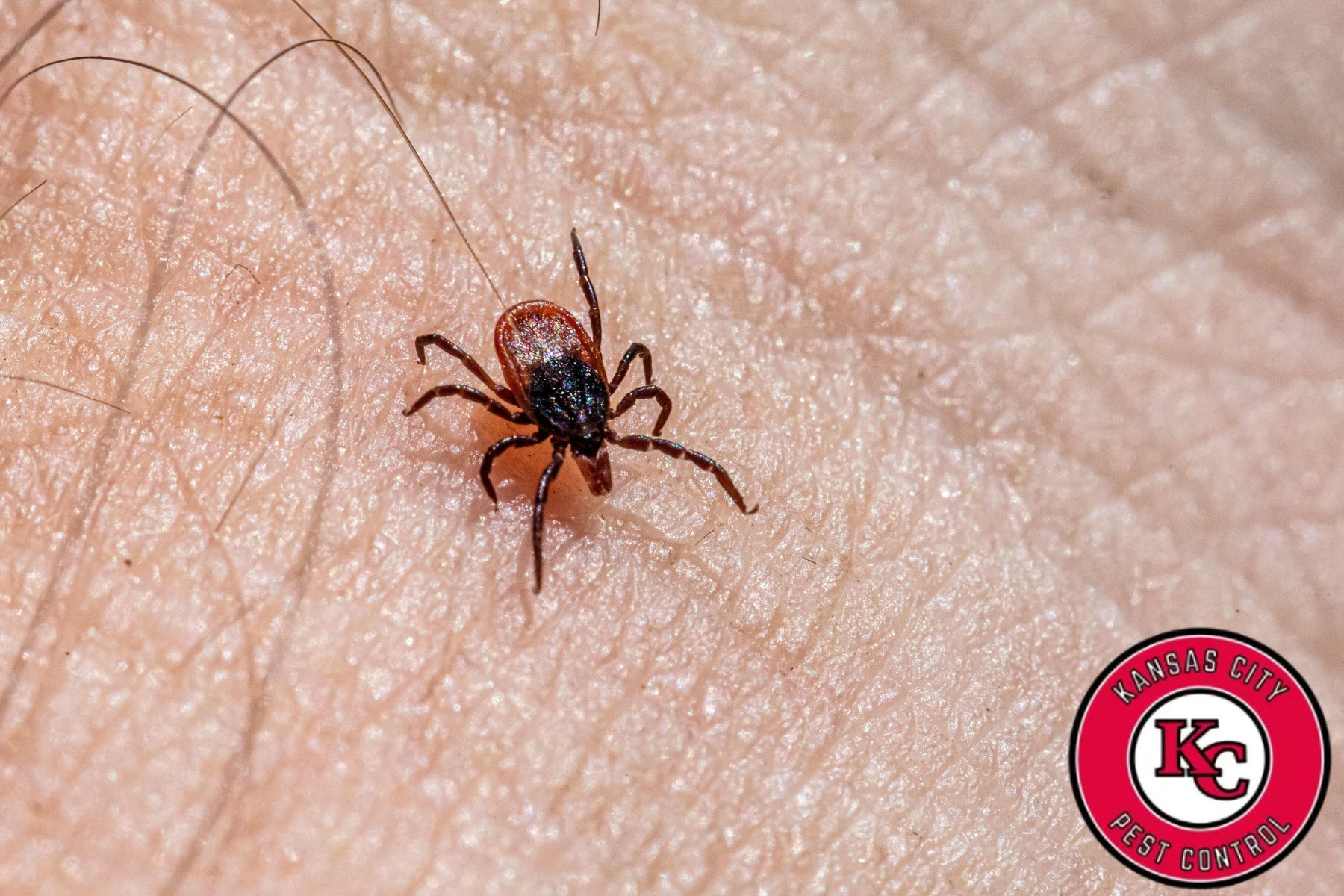
The key difference between a spider bite and a tick bite is simple: spiders bite defensively and leave, while ticks attach to the skin and feed on blood. If you notice something still embedded in your skin, it is far more likely to be a tick than a spider.
Many people also ask, “Is a tick a spider?” The answer is no, but they are closely related. Both are arachnids with eight legs, yet ticks behave very differently. Understanding this distinction helps you respond correctly and reduce health risks for your family.
Is a Tick a Spider?
Ticks and spiders belong to the same arachnid family, but they serve very different roles in nature. They are predators that hunt insects. Ticks are parasites that survive by feeding on the blood of animals and humans.
When comparing tick vs small spider, the easiest way to tell them apart is behavior. A small one will move quickly and not remain attached to skin. A tick will stay embedded and may gradually enlarge as it feeds.
This is one of the most common points of confusion we hear from homeowners seeking pest control in Olathe.
What Does a Spider Bite Look Like?
Most bites are harmless and result in mild irritation. You may notice redness, slight swelling, and a small puncture mark. Some people experience mild burning or itching shortly after being bitten.
In rare cases involving species such as the black widow or brown recluse, symptoms may become more serious. Pain may spread from the bite site, or skin damage may develop over time. However, these cases are uncommon.
When comparing spider bites vs tick bites, bites typically cause immediate localized discomfort but rarely transmit disease.
What Does a Tick Bite Look Like?
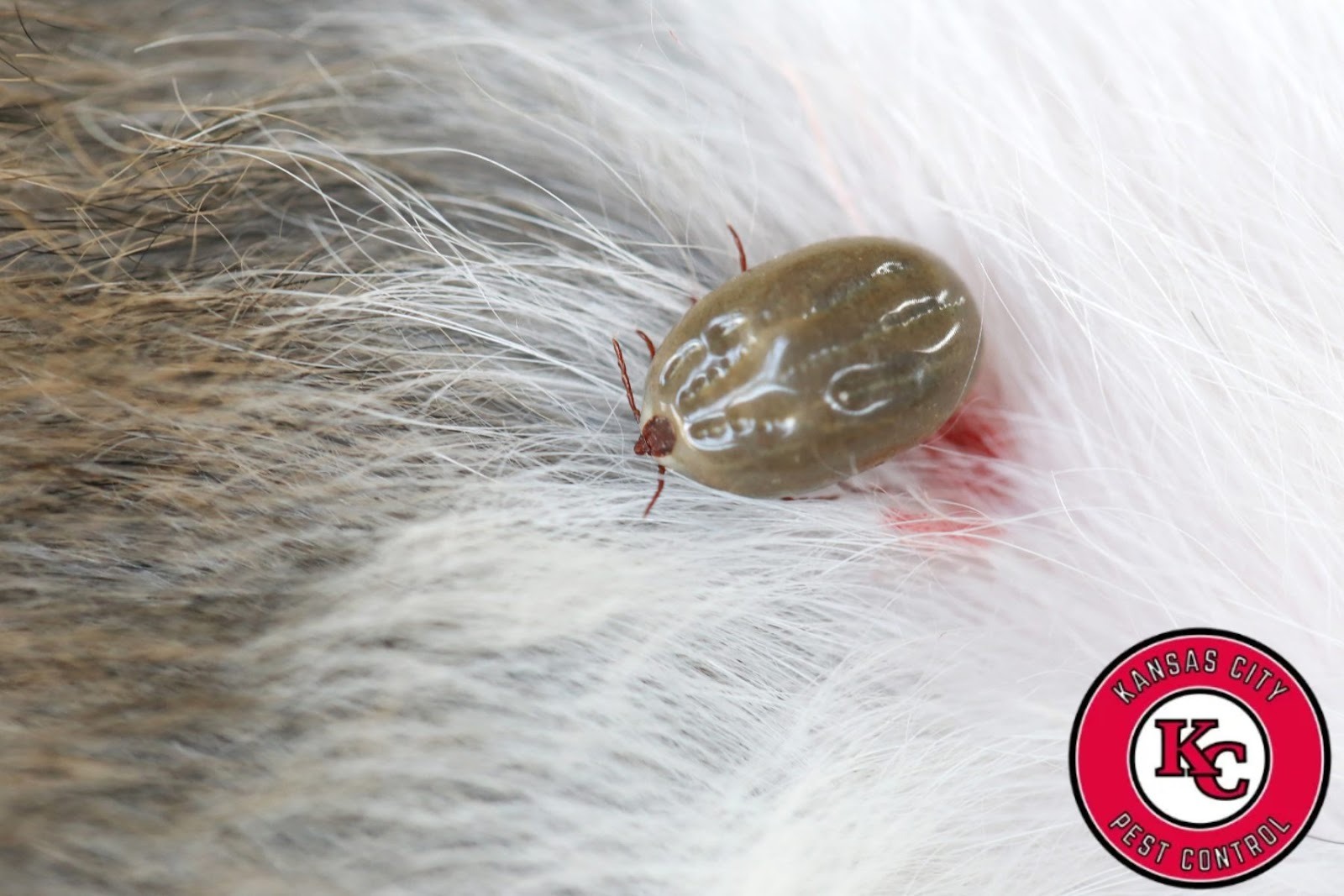
Tick bites often go unnoticed at first because they are usually painless. You may discover a small red bump or find the tick still attached to your skin. In some cases, a circular rash may develop days later.
Unlike spider bites, tick bites carry a higher risk of illness. Ticks can transmit Lyme disease, Rocky Mountain spotted fever, and other infections. That is why quick removal and monitoring for symptoms is essential.
In Olathe, especially in neighborhoods near wooded areas and parks, tick exposure is more common than many residents realize.
Spider vs Tick: Key Differences Explained
Spiders bite only when threatened and do not remain on the body. Ticks attach and stay in place while feeding. Spider bites usually cause localized irritation, while tick bites can lead to systemic illness if the tick carries disease.
When evaluating ticks vs spider bites, the presence of the insect and the delayed appearance of symptoms are the biggest clues.
Why Proper Identification Matters in Olathe
Environmental conditions in Johnson County create ideal habitats for ticks. Yards with tall grass, dense shrubs, or nearby wooded areas increase exposure risk.
We recently assisted a homeowner near Black Bob Park who believed their child had recurring spider bites. After inspection, we identified ticks along the back fence line where brush met the yard. Once treated and properly managed, the issue is resolved completely.
Situations like this are why accurate identification and timely pest control in Olathe, KS, can prevent recurring problems.
When to Contact a Professional
If you notice repeated bites, find ticks on pets, or regularly see spiders inside your home, it may be time to consult a specialist. Professional Olathe pest control services focus on identifying breeding areas, eliminating active infestations, and preventing future issues.
Homeowners seeking services often wait until bites become frequent. Addressing the issue early reduces health risks and long-term costs.
Prevention Around Your Home
Maintaining your yard is one of the most effective ways to reduce tick exposure. Keeping grass trimmed, removing excess brush, and sealing foundation cracks helps limit both spider and tick activity.
Regular property inspections and proactive treatment plans offer the most consistent protection. Many residents choose ongoing pest control to maintain year-round coverage rather than reacting to isolated incidents.
Final Thoughts
Understanding the difference between spider vs tick activity helps you respond quickly and confidently. While most spider bites are minor, tick bites require closer attention due to the risk of disease transmission.
If you are experiencing ongoing issues, Kansas City Pest Control provides trusted services designed to protect homes and families. Our team offers effective, environmentally responsible solutions for residents seeking reliability.
If you are unsure whether you are dealing with ticks or spiders, do not wait for the problem to grow. Contact us today for reliable pest control. Our team provides thorough inspections and customized treatment plans to protect your home and family in Olathe, KS.
Frequently Asked Questions
Is a tick a spider?
No. Ticks and spiders are both arachnids, but ticks are parasites that feed on blood, while spiders are predators that hunt insects.
How can I tell tick vs small spider?
Ticks remain attached to the skin and may swell as they feed. Small spiders do not stay attached.
Are tick bites more dangerous than spider bites?
Tick bites can transmit disease, which makes them potentially more serious than most spider bites.
Are ticks common in Olathe, KS?
Yes. Wooded areas, parks, and tall grass in and around Olathe increase tick exposure, particularly during warmer months.
When should I call for pest control in Olathe?
If you are seeing repeated pest activity, discovering ticks on pets, or are unsure what caused a bite, contacting a local professional is recommended.
Other related blogs:
How to Tell the Difference Between a Spider Bite vs. Tick Bite
How Long Can a Tick Survive Without a Host?
What Happens If a Tick Doesn’t Find a Host? A Guide to Understanding Tick Survival