
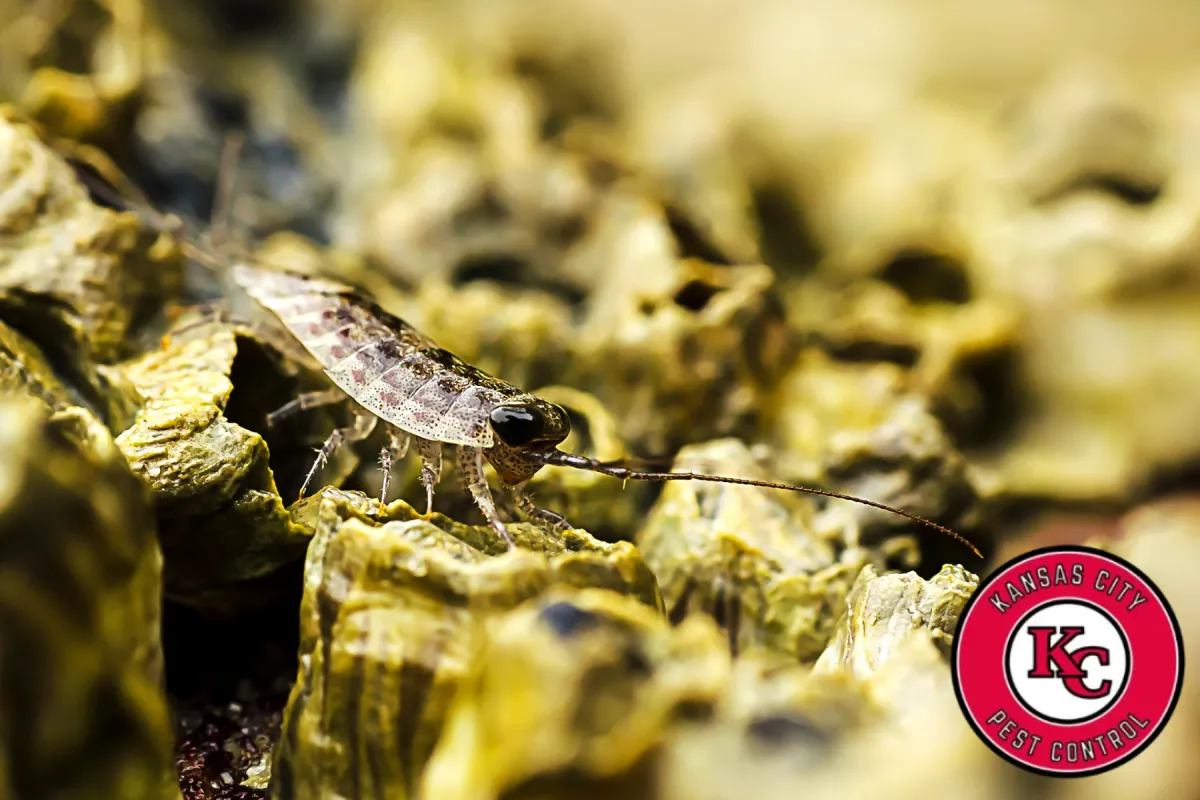
While silverfish and firebrats are both teardrop-shaped, wingless insects with three long tail bristles, they differ significantly in color and habitat. Silverfish are shiny, silvery-grey and thrive in cool, damp places like basements. Firebrats are mottled brown and grey, preferring hot, humid areas near ovens, boilers, or water heaters.
Finding a slithering, wingless insect darting across your floor can be an unsettling experience. These primitive pests belong to the same insect order (Zygentoma) and share a similar, fish-like scuttling movement that makes them look almost identical at a glance. Because they both damage household goods by chewing on starches and adhesives, many people mistake them for the same bug. However, identifying which of these two insects has entered your living space is essential because they require entirely different environmental conditions to survive.
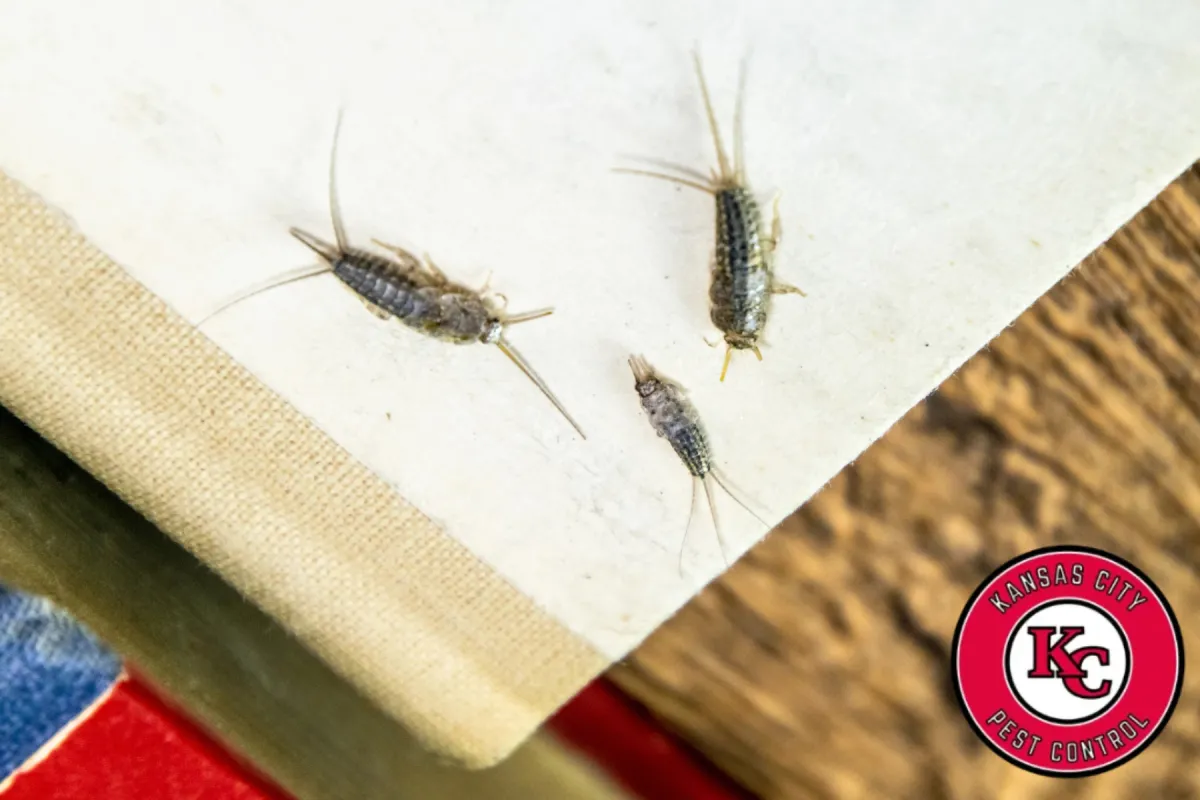
A single silverfish can live for several years, slowly damaging paper goods, books, and clothing. If you start noticing irregular holes in your stored documents or yellow stains on your linen closet shelves, you are likely dealing with a growing infestation. Because these pests are nocturnal and hide in deep structural wall voids during the day, a small visual sighting often points to a much larger population nesting nearby.
Comparing Silverfish and Firebrats: Visual and Habitat Differences
To manage these pests effectively, you must understand the visual features and environmental preferences that separate them. Applying a treatment to a cool, damp basement will do nothing to stop an insect that nests exclusively near hot attic vents or heating pipes.
Species and Behavior Comparison Matrix
| Identification Feature | Silverfish (Lepisma saccharinum) | Firebrat (Thermobia domestica) |
| Physical Appearance | Shiny silver to metallic grey; smooth, uniform scales | Mottled grayish-brown with dark bands and spots; dull, dusty texture |
| Temperature Preference | Cool to moderate (70°F to 80°F) | High heat (90°F to 106°F) |
| Humidity Requirement | High humidity (above 75%) | Extremely high humidity (above 75% paired with high heat) |
| Primary Indoor Locations | Basements, crawlspaces, bathrooms, under sinks | Kitchens near ovens, boiler rooms, bakeries, hot attics |
| Diet and Feeding Habits | Carbohydrates, starch, book bindings, wallpaper paste | Starches, flour, high-carbohydrate dog food, bound paper |
In older residential properties with stone foundations, the combination of damp basement walls and humid summers creates a perfect environment for these primitive invaders. When local property owners search for reliable Independence pest control, they often do so because these insects have begun chewing through cherished family photo albums, vintage books, and wallpaper adhesive.
How to Identify an Infestation: A Step-by-Step Checklist
Because both species are nocturnal, swift runners, and highly secretive, you will rarely see them crawling around in broad daylight. Instead, you must inspect your home for the subtle, physical clues they leave behind in dark storage areas.
- Check for Irregular Feeding Scrapes: Look closely at wallpaper, book covers, cardboard storage boxes, and starch-heavy fabrics. These pests do not bite clean holes; they scrape away the surface layers of paper and glue, leaving behind rough, worn patches.
- Inspect for Tiny, Black Pepper-Like Feces: Search the corners of drawers, pantry shelves, and storage closets. Their excrement looks like incredibly small black specks, which are often mistaken for household dust or small dirt particles.
- Look for Yellow Stains on Fabrics: When these pests feed on cotton, silk, or synthetic blends, they leave behind characteristic yellowish residues and faint stains that are highly visible on white sheets or clothing.
- Locate Shed Scales and Skins: As they grow, both species molt up to dozens of times throughout their lives. Look for tiny, translucent, glistening skins or loose scales clinging to baseboards and shelving.
Identifying these subtle warning signs early is essential to stopping a minor nesting population from spreading into a widespread home emergency. If you notice these signs in your crawlspace or attic, contacting a trusted specialist for pest control in Independence, MO can prevent irreversible damage to your stored belongings.
Debunking the Myth: “These Pests Are Only Attracted to Dirty, Unkept Homes”
Many homeowners feel a sense of shame when they discover scuttling insects in their bathrooms or kitchens, assuming that pests are a direct sign of poor cleaning habits.
The Reality: While keeping food crumbs swept up is always a good practice, these insects do not enter your home looking for leftover garbage. They are attracted entirely by moisture, high heat, and structural materials like drywall glue, wallpaper paste, insulation, and bookbindings. A brand-new, completely spotless, luxury home can still suffer a severe infestation if there is high construction humidity, a hidden pipe leak, or unsealed foundation expansion joints.
Applying Our Specialized Systems to Resolve the Infestation
At Kansas City Pest Control, we do not believe in using random, generic sprays that fail to target the root cause of the infestation. Instead, we implement a highly strategic, biological-first protocol designed to clear these pests safely and protect your real estate investment. Here is how our specialized framework operates:
Insecticides
Our team applies highly targeted, low-impact insecticides to treat structural crevices, wall voids, and pipe junctions where these pests hide, neutralizing active populations without leaving strong chemical odors behind.
Physical removal
This step involves the immediate physical removal of active insects from your living spaces using specialized HEPA vacuums and physical traps, combined with sealing off structural gaps around doors, windows, and pipes.
Environmental modification
We implement comprehensive environmental modification strategies, such as lowering relative indoor humidity below 50% using commercial dehumidifiers and improving ventilation in damp areas to make your home permanently unlivable for these moisture-loving pests.
If these quick-moving insects have already spread inside your walls, hiring a licensed exterminator in Independence, MO ensures that every structural highway is safely blocked off using these professional systems. Our technicians customize these treatments to match the unique architecture of your property, giving you complete peace of mind.
People Also Ask
Do silverfish or firebrats bite humans or family pets?
No, neither species possesses biting jaws or stingers capable of piercing human or pet skin. They do not transmit diseases, inject venom, or carry harmful pathogens. They are entirely cosmetic and structural pests that target paper and starch.
Why do silverfish suddenly appear in my bathtub or sink?
These pests are excellent climbers on textured surfaces but cannot scale smooth, vertical porcelain, glass, or ceramic. They crawl into tubs and sinks at night to drink water, slip down the smooth sides, and become trapped because they cannot climb back up.
How long can these insects survive without food or water?
They are incredibly resilient. Both species can survive for up to a year without food, provided they have access to a humid environment. However, if relative humidity drops below 50%, they will dehydrate and die within a few weeks, even with abundant food.
Why are these moisture-loving pests so common in certain homes?
Properties located near damp river valleys, particularly those with historic brick basements or older crawlspaces, often retain higher moisture levels. This excess dampness, combined with seasonal humidity, creates the exact humid conditions these pests need to thrive.
Conclusion & Next Steps
Differentiating between silverfish and firebrats is essential because their vastly different temperature requirements dictate where they hide inside your home. By controlling humidity, fixing plumbing leaks, and eliminating their food sources, you can turn your living space into an uninviting environment for these ancient, scuttling invaders. During a recent structural review for a home in Leavenworth, our team successfully identified a major humidity issue caused by a blocked crawlspace vent, resolving a severe insect problem by simply restoring proper airflow and sealing the foundation.
As a professional and reliable pest control company, Kansas City Pest Control is committed to providing effective, tailored solutions for each customer. Our core belief is delivering high-quality, eco-friendly treatments that keep your property pest-free while keeping your family and pets safe. We stand out by offering personalized, hands-on care specifically customized to your unique needs, giving you total confidence and reassurance.
Protect Your Home Today
Do not let scuttling pests ruin your books, documents, and peace of mind. Contact us today to request your professional consultation or schedule a service.