Ants are one of the most common and persistent household pests, often going unnoticed until their presence becomes a real problem. While spotting a few worker ants might seem like a minor annoyance, discovering ant eggs in your home is a clear sign of a growing infestation that requires immediate attention. Ignoring these tiny eggs can lead to larger colonies, increased damage, and more complicated pest control challenges.
In this article, we will explain why ant eggs should never be overlooked, how to identify them, and the importance of professional intervention to protect your home effectively.
Understanding the Importance of Ant Eggs
Ant colonies rely on reproduction to survive and expand, and that process begins with eggs. The queen ant lays hundreds or thousands of eggs throughout the colony’s lifetime. These eggs hatch into larvae, which eventually grow into adult ants, including workers, soldiers, and future queens. This cycle can rapidly multiply the colony’s size, turning a small problem into a full-blown infestation.
Because ant eggs are the foundation of colony growth, failing to address their presence allows the colony to thrive unchecked. Simply killing visible ants may offer temporary relief, but as long as eggs and the queen remain, the infestation will return and potentially worsen.
What Do Ant Eggs Look Like?
For many homeowners, identifying ant eggs is a crucial first step toward effective pest control in Leavenworth, KS. So, what do ant eggs look like?
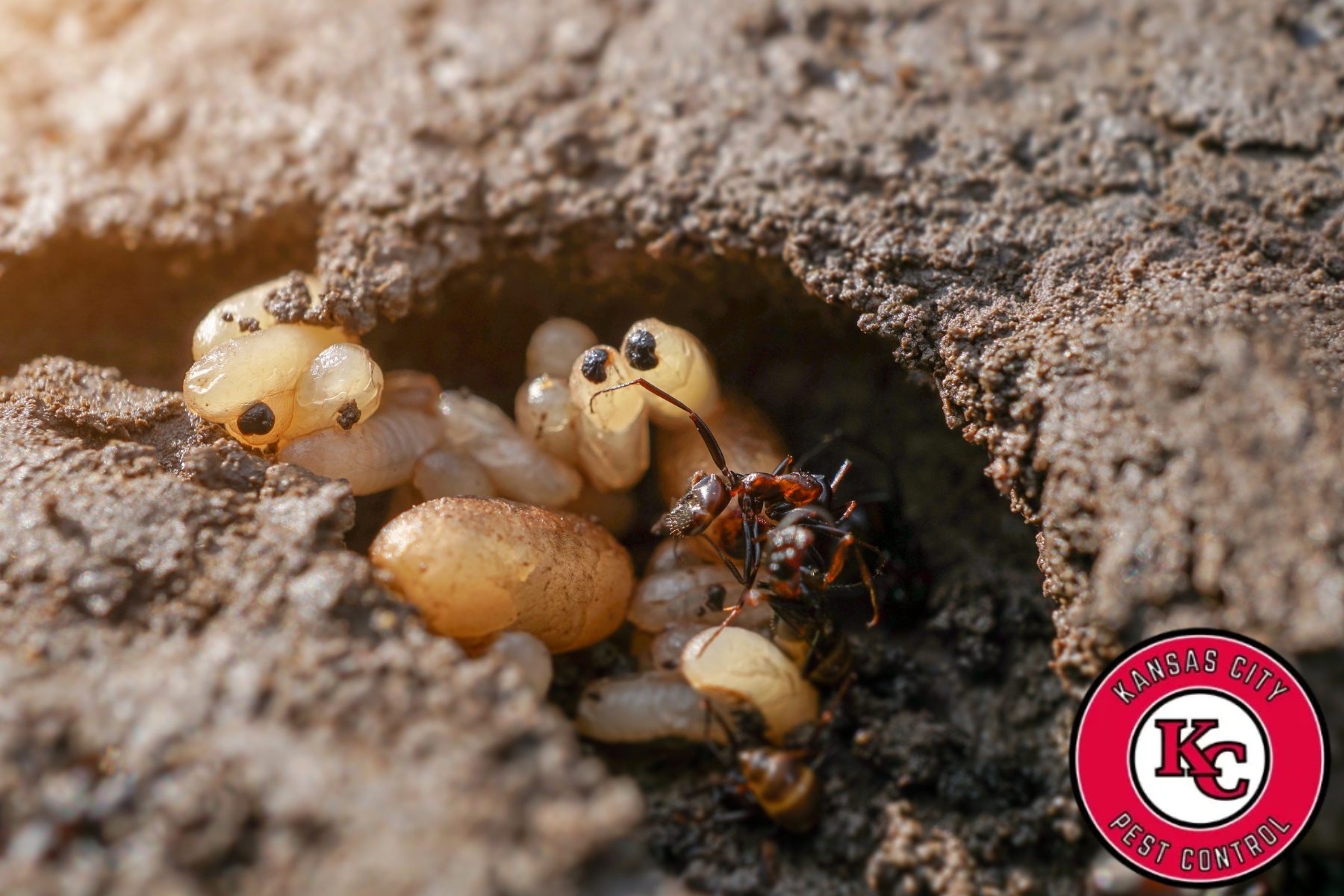
- Size and Shape: Ant eggs are extremely small, usually about 1 millimeter long, and shaped like tiny ovals or cylinders.
- Color: They appear white or translucent, resembling grains of rice or tiny pearls.
- Texture: Ant eggs are soft and slightly sticky, often found clustered together in protected, hidden areas such as cracks, wall voids, or under furniture.
Because of their tiny size and subtle appearance, ant eggs can be difficult to spot without close inspection. This is why many infestations go unnoticed until the colony becomes large and the ants are more visible.
Why Ignoring Ant Eggs Is Risky
Rapid Colony Growth
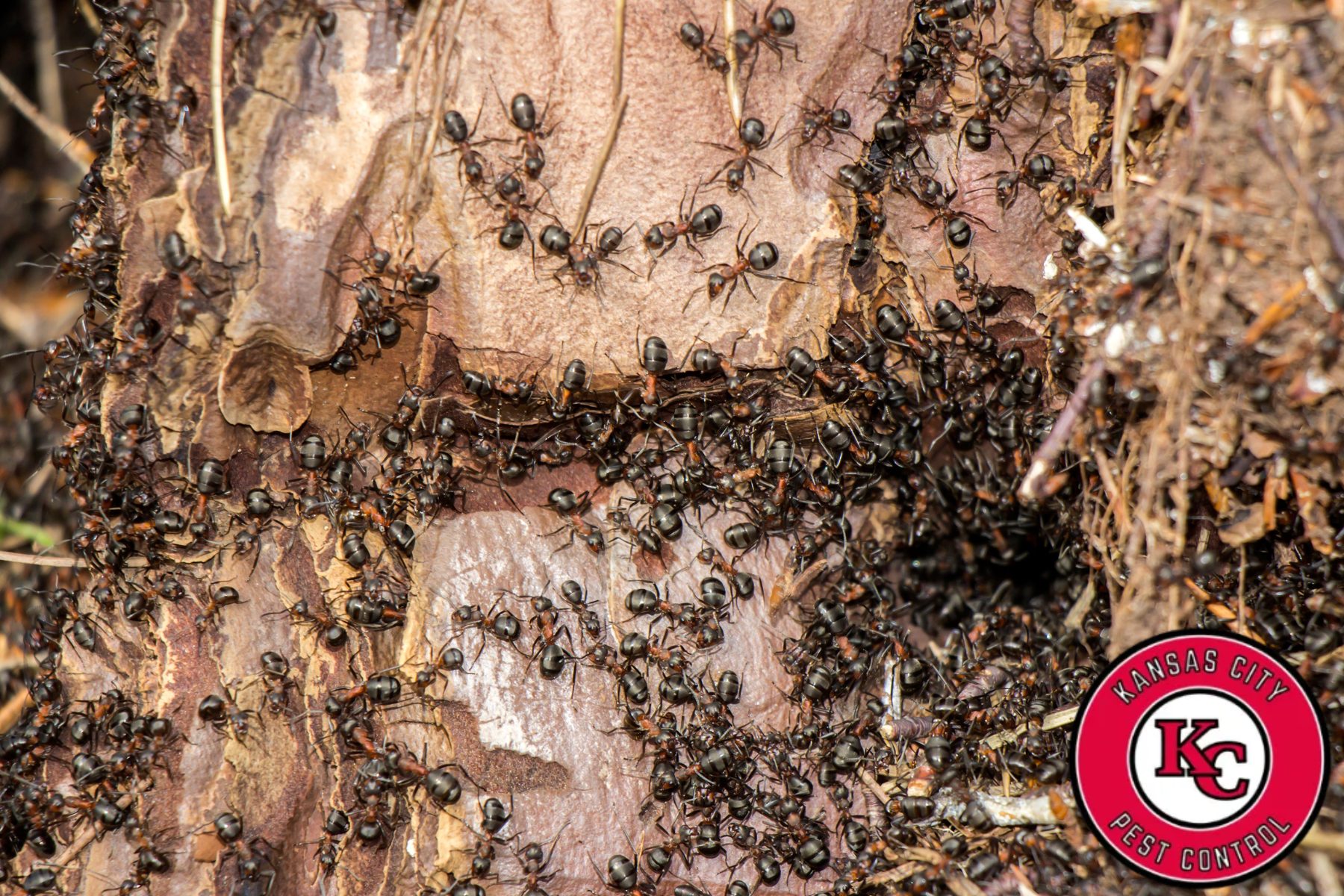
One of the biggest dangers of ignoring ant eggs is that they enable the colony to grow exponentially. As more eggs hatch, the number of worker ants increases, leading to more ants invading your living spaces in search of food and shelter.
Structural Damage
Certain ant species, such as carpenter ants, do not just forage for food; they also damage your home’s structure by burrowing into wood to create nests. If their eggs and colony remain undisturbed, these ants can cause serious structural problems over time, compromising your home’s integrity.
Food Contamination and Health Concerns
Ants are known to forage in unsanitary areas such as garbage bins and drains. When they enter your home, they can contaminate food and surfaces, posing health risks to your family. A growing colony with newly hatched ants increases the likelihood of bacterial contamination and spread.
Difficulty in Eradication
Treating a few visible ants is far easier than eliminating an entire colony with eggs, larvae, and a queen. Ignoring ant eggs means the queen will continue laying, making the infestation persistent and harder to eradicate without professional help.
Common Places Where Ant Eggs Are Found
Ants typically hide their eggs in safe, protected spots within your home, including:
- Wall cavities and cracks
- Under baseboards and floorboards
- Behind appliances
- Inside furniture or stored boxes
- Near food sources or water leaks
Knowing where ants lay their eggs helps you recognize potential problem areas and act quickly to prevent further infestation.
How to Prevent Ant Infestations
While professional treatment is often necessary to fully eliminate an ant colony, some preventive measures can reduce the risk of infestation and egg-laying inside your home. If the problem continues, contacting an experienced exterminator in Leavenworth, KS can help identify the source of the infestation and provide long-term solutions.
- Keep your home clean: Remove food crumbs, spills, and trash regularly.
- Seal entry points: Use caulk to close cracks and gaps around doors, windows, and foundations.
- Store food properly: Keep food in airtight containers to prevent attracting ants.
- Fix leaks: Moisture attracts ants, so repair plumbing leaks and avoid standing water.
- Declutter: Reduce hiding spots by organizing storage areas and removing debris.
When to Call Professional Pest Control
If you notice ants in your home, especially if you suspect a colony with eggs, it’s best to seek expert help right away. Professionals have the knowledge, tools, and treatments to locate and eliminate entire colonies, including eggs and queens, ensuring the infestation doesn’t return.
Searching for ant control or Leavenworth pest control can connect you with local professionals who understand the unique challenges of ant infestations in your area and can provide safe, effective solutions.
Frequently Asked Questions
What do ant eggs look like?
Ant eggs are very small, usually white or translucent, and often look like tiny grains of rice clustered together.
Are ant eggs a sign of infestation?
Yes. Finding ant eggs usually indicates a nearby colony is growing and may continue spreading if not treated.
Where do ants usually hide their eggs?
Ants often hide eggs in wall cracks, baseboards, furniture, stored boxes, and areas near food or moisture.
Why should I call for ant control?
Professional ant control can help locate the colony, target the queen, and reduce the chance of the infestation returning.
About Kansas City Pest Control
At Kansas City Pest Control, we are committed to protecting your home and family from pest invasions, including ant infestations. Located in the area, our professional team offers comprehensive services designed to target ants at every stage of their life cycle, from eggs to adults. We focus on safe, environmentally responsible methods that deliver long-lasting results.
Don’t let ant infestations spread throughout your home. Contact us today for reliable ant control and long-term pest protection.
Learn more here:
Master Pest Control: Ant Behavior Decoded
Battle of the Ant Killers: What Really Works and What’s Just Hype?
Inside the Walls: How to Track Down and Eradicate Carpenter Ant Colonies