
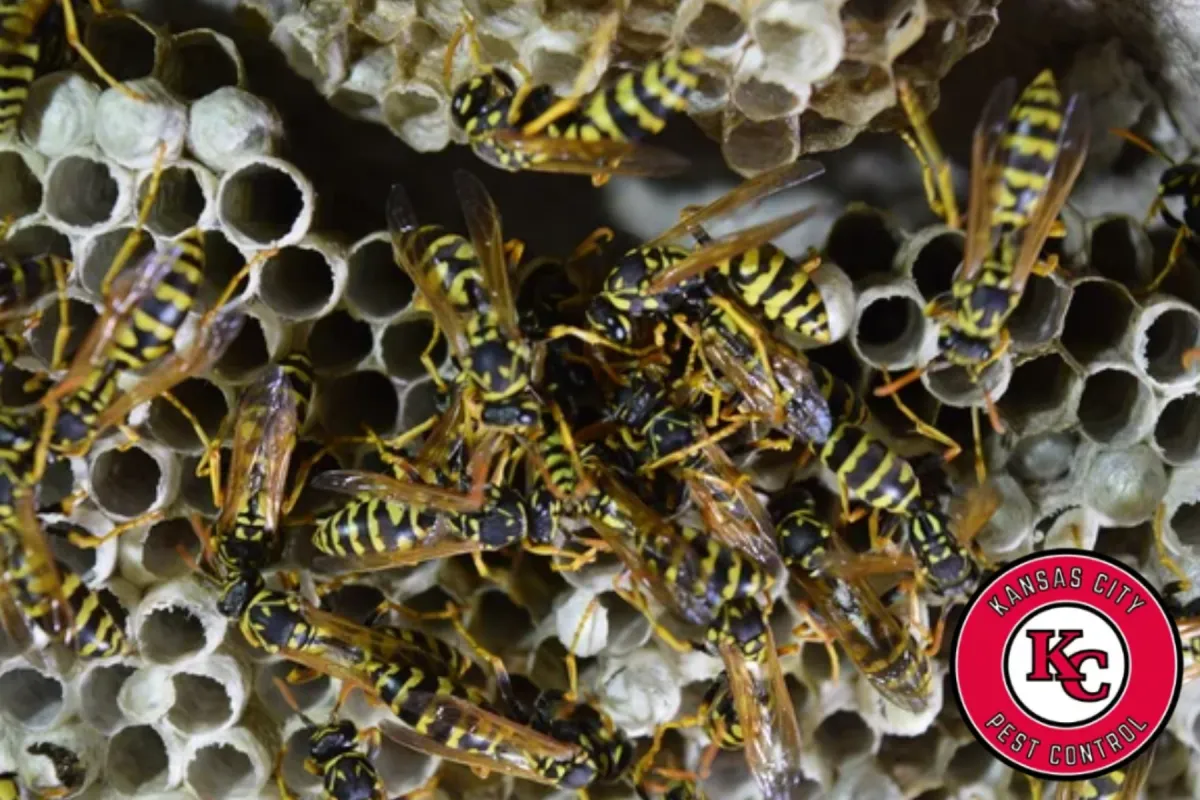
Wasp infestations become harder to manage as the warm season progresses because the colony’s population scales exponentially from a single queen to thousands of aggressive workers. As the physical nest structure grows, they shift their behavior from peaceful foraging to defensive stinging to protect their brood. Furthermore, late-season dietary shifts expand their flight boundaries, bringing them into frequent, hostile contact with humans.
The Exponential Growth Cycle: From Lone Queen to Aggressive Colony
Managing a wasp nest in early spring is vastly different from confronting a mature colony in late summer. Homeowners who delay treatment often find themselves facing a complex biological defensive grid that expands daily.
The Progression of Seasonal Threat Levels
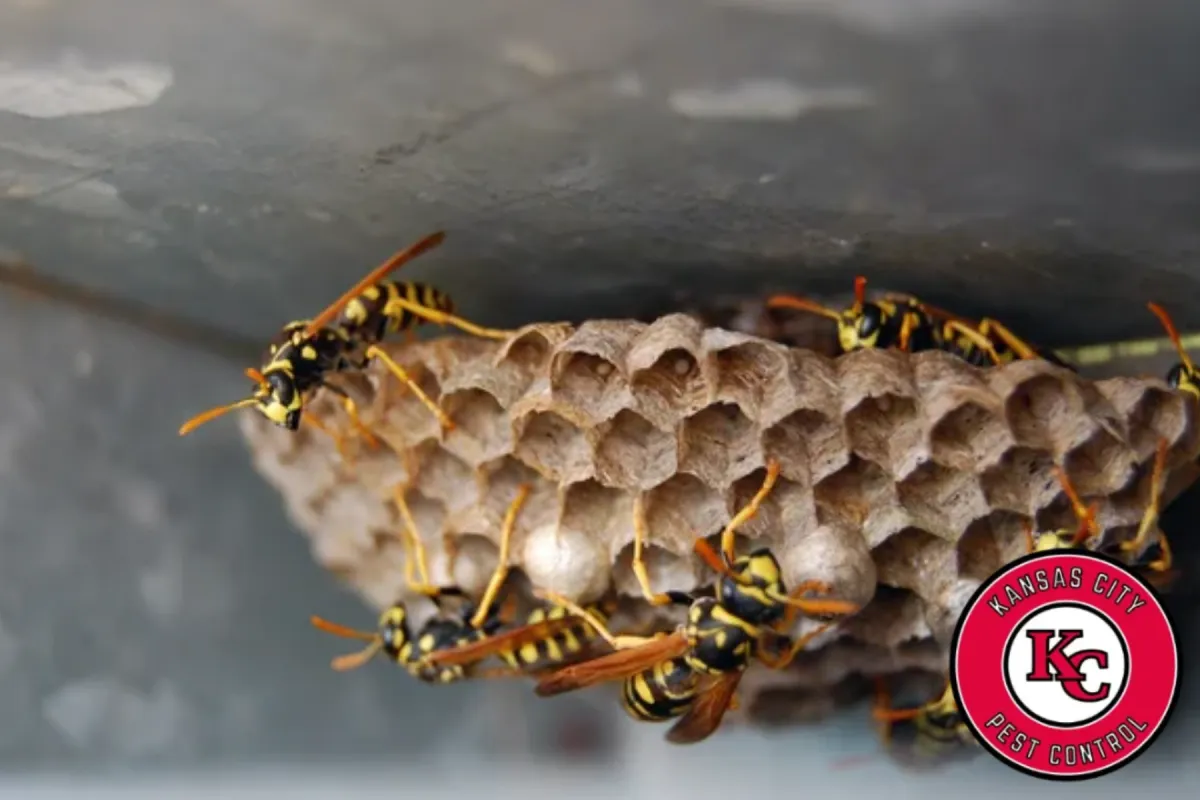
- Spring Nest Initiation: A single fertilized queen emerges from winter hibernation to build a small, umbrella-shaped cluster of paper cells. At this stage, the colony is highly vulnerable, and the queen will often abandon the site if disturbed.
- Early Summer Worker Surge: The first generation of female worker wasps matures and takes over foraging duties. The queen stays deep inside the nest to lay eggs full-time, causing the structure to grow rapidly.
- Mid-Summer Structural Expansion: The nest adds multiple layers of comb cells wrapped in thick, chewed-wood insulation paper. The worker population surges into the hundreds, establishing a permanent defensive patrol zone around the perimeter.
- Late-Summer Reproductive Peak: The colony reaches its maximum size, holding thousands of workers. At this point, the nest begins producing new fertile queens and males, driving the remaining workers into a hyper-protective, highly volatile state.
As the population explodes, finding these hidden outdoor kingdoms requires experienced eyes. Utilizing professional Olathe pest control services early in the season stops this rapid growth cycle before the insects establish a dominant foothold on your property.
Behavioral Shift Matrix: Spring Trapping vs. Late-Summer Abatement
As temperatures rise, wasp colony dynamics change, requiring entirely different safety and protective measures.
| Biological Metric | Early Spring Phase | Late Summer / Autumn Peak |
| Average Colony Population | 1 founding queen; 0 to 15 small larvae. | 1,000 to over 5,000 aggressive worker wasps. |
| Nest Physical Dimension | Less than 2 inches; single exposed, open-comb layer. | Large basketball-sized structures with multiple hidden combs. |
| Primary Structural Hiding Spots | Open roof eaves, low tree branches, and patio trim. | Deep wall voids, attic insulation, attic vents, and soffits. |
| Defensive Striking Behavior | Passive; the queen flies away to survive if threatened. | Aggressive; swarms launch mass stings using alarm pheromones. |
| Dietary Nutritional Target | Proteins (caterpillars, spiders) to feed young larvae. | Sugars and carbohydrates (rotten fruit, soda, trash). |
When thousands of insects are crammed into a single hidden void, a DIY approach can quickly backfire. Securing help from pest control in Olathe, KS ensures that changing insect behavior is addressed with commercial-grade equipment and safety protocols.
Debunking the Myth: “Wasps Directly Spread Lyme Disease and West Nile Virus”
The Misconception: “You must eliminate wasp nests immediately because these flying pests actively transmit dangerous diseases like Lyme disease, encephalitis, and West Nile virus to humans through their stings and bites.”
This is a significant medical misconception that commonly circulates in residential communities. Property owners searching for factual information about pest control in Olathe are often relieved to learn that wasps are not biological vectors of bloodborne human pathogens.
Lyme disease is transmitted exclusively by infected ticks, whereas West Nile virus encephalitis relies on mosquito vectors. In fact, wasps are highly beneficial predators that actively hunt and consume those very ticks, mosquitoes, and garden caterpillars. However, when a massive social colony sets up its defensive grid right on your roof eaves or window sills, their volatile stings become an immediate physical safety hazard. The true solution involves precise population elimination rather than worrying about non-existent viral transmissions.
Applying Our Thermal Kinetic Suppression to Solve This
At Kansas City Pest Control, we bring a professional, customer-focused, and results-driven approach directly to your doorstep. We understand that an active stinging nest can make your deck, yard, or patio completely unusable. Instead of relying on guesswork, our certified teams use their extensive regional training to build a defensive boundary around your home. During a recent structural clearance for a home in Olathe, our field specialists successfully targeted a hidden yellowjacket colony buried deep inside a concrete step chasm, neutralizing the threat before it could disrupt a family weekend gathering.
Strategic Nest Interception
We solve advanced stinging insect problems by cutting off their hidden networks. Our technicians systematically locate the nest by following the insects’ flight path during peak afternoon hours. Once we map out their exact structural entry lines, we eliminate the core breeding population using a balanced combination of insecticides and other chemicals or through mechanical removal techniques. This multi-layered strategy wipes out the hidden queen and developing pupae inside the paper cells, ensuring the colony cannot simply rebuild the next day.
Safe Perimeter Monitoring
To keep foraging worker wasps from returning to your rooflines or patio trim, we follow up every nest clearance with smart exterior protection. We use traps and baits placed along strategic landscape zones to capture stray workers looking for sugary food sources. We prioritize absolute safety and transparency, utilizing family- and pet-safe products that deliver reliable protection without exposing your loved ones to unnecessary risk. This careful, detail-oriented care ensures your home remains a clean, comfortable, and stress-free environment all summer long.
Features of Professional Nest Abatement Systems
- Micro-Encapsulated Aerosol Delivery: Long-range projection tools designed to deliver fast-acting knockdown agents deep into nest cells from a safe distance.
- Dust Injected Micro-Pipes: High-pressure extension rods used to blow fine, dry mineral treatments into deep structural voids, ensuring complete colony coverage.
- Alarm Pheromone Neutralizers: Enzymatic chemical washes used to safely remove residual animal scent markers from building materials, preventing future nesting.
- Industrial Polyurethane Sealants: Weatherproof, expanding foam blockades used to close off old entry holes and utility gaps permanently.
People Also Ask (FAQ)
Why do wasps become so aggressive and angry in late summer and autumn?
In late summer, the queen stops laying worker eggs, leaving the remaining workers with no young larvae to care for. Deprived of the sweet fluid normally produced by the larvae, the workers go out to scavenge for sugars, making them highly aggressive as they compete for sweet foods like sodas and fallen fruit.
Can a wasp sting you multiple times without losing its stinger?
Yes. Unlike honeybees, which have barbed stingers that get stuck in human skin, they possess smooth, needle-like stingers. This allows to sting a person multiple times without hurting itself or losing its stinger.
Do retail wasp spray cans completely wipe out an entire mature colony?
No. Standard store-bought spray cans only kill the individual one hit directly by the wet spray. They rarely penetrate the deep, multi-layered paper combs inside a large nest, leaving the queen and hundreds of pupae safe to hatch and rebuild.
How far away from a nest should I stay to avoid getting stung?
For a small spring nest, staying five to ten feet away is generally safe. However, for a mature late-summer colony, you should maintain a distance of at least twenty feet, as worker guard them actively patrol a large area and react quickly to physical movement or shadows.
Protect Your Property and Family from Seasonal Stinging Swarms
Allowing a small spring nest to grow into a massive late-summer colony turns your home’s rooflines, decks, and yards into dangerous defensive zones for your family and pets. You deserve to feel completely secure, confident, and relieved knowing your living spaces are protected by a trusted local expert. At Kansas City Pest Control, we bring local expertise and proven results to every residential and commercial property, making seasonal pest defense completely straightforward and worry-free.
We are dedicated to building long-term relationships across our communities by providing comprehensive termite treatments, rodent mitigation, and eco-friendly preventive barriers tailored to your specific household needs. Our honest, transparent pricing ensures you get an efficient, highly dependable maintenance plan without any unexpected premium fees or hidden costs.
Don’t let growing wasp infestations or aggressive stinging swarms compromise your family’s safety or outdoor comfort. Take a proactive step toward permanent structural safety today. Contact our team today to schedule your introductory consultation. Let our professional family protect your home with the trusted care you can count on.