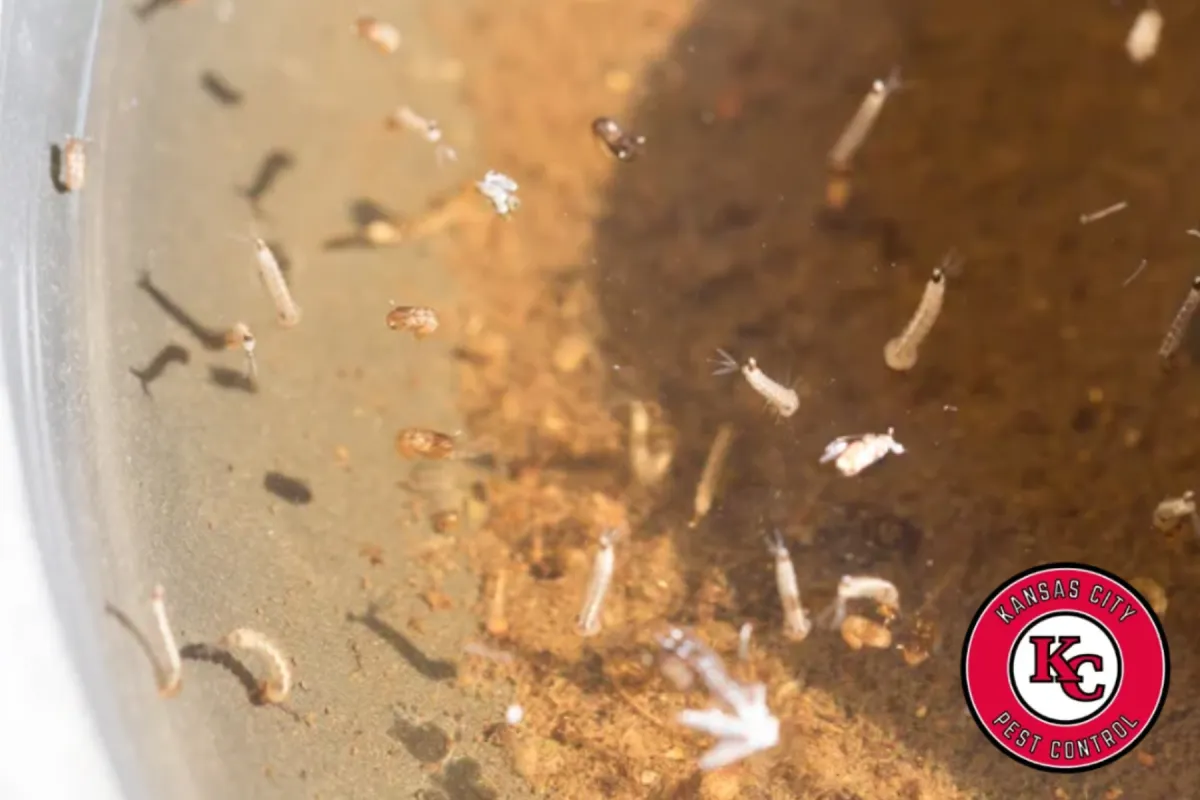
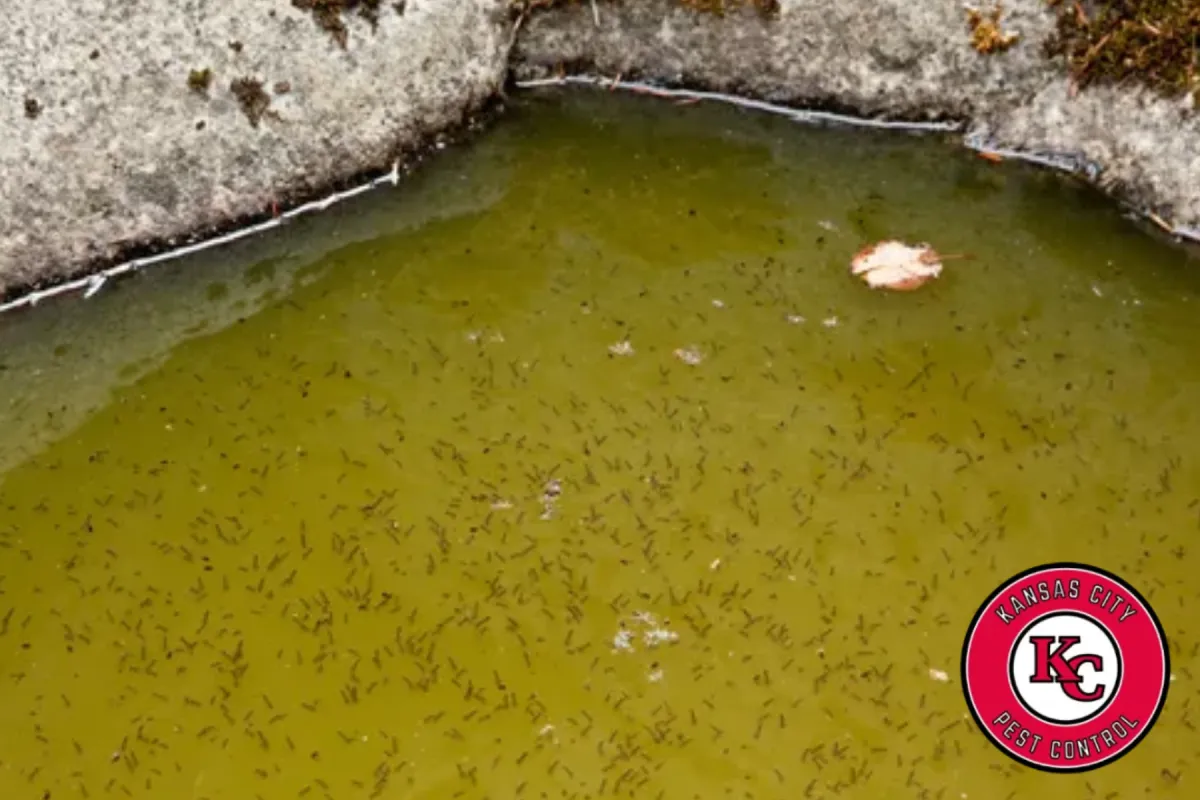
Mosquitoes are more than just a nuisance; they are carriers of serious diseases such as West Nile virus, dengue fever, malaria, and Zika virus. Controlling mosquitoes starts by eliminating them at their larval stage, which occurs in standing water. Female mosquitoes lay their eggs in still water, where they hatch into larvae before developing into adult mosquitoes.
In Liberty, MO, where stagnant water is common, eliminating mosquito larvae in water sources is crucial for controlling mosquito populations. Whether it’s in plant water, water barrels, or rainwater collecting in your yard, addressing mosquito larvae early can help ensure a safer, more comfortable outdoor environment.
Understanding Mosquito Breeding Habits
Female mosquitoes seek out standing water to lay their eggs, which hatch into larvae within a few days. The larvae feed on organic matter in the water and grow into pupae before maturing into adult mosquitoes. This entire life cycle can take as little as one to two weeks, making it essential to act quickly to prevent outbreaks.
Common breeding grounds include:
✔ Birdbaths
✔ Clogged gutters
✔ Flowerpot saucers
✔ Discarded tires
✔ Ponds and fountains
✔ Rainwater-collecting debris
Removing or treating standing water is one of the best ways to control mosquito populations before they become a bigger problem. In Liberty, pest control services often recommend addressing these common mosquito hotspots to keep your property pest-free.
How to Get Rid of Mosquito Larvae in Water: Effective Control Methods
Mechanical Control Methods: Eliminating Standing Water
The most effective way to prevent mosquito larvae from thriving is to eliminate stagnant water where mosquitoes lay their eggs. Homeowners should:
- Empty and Scrub Weekly: Birdbaths, pet water bowls, and flowerpot saucers should be emptied and cleaned weekly to prevent mosquito larvae from building up.
- Clean Gutters: Keeping gutters clean prevents water from accumulating, which offers mosquitoes a place to breed.
- Store Outdoor Items Properly: Items such as wheelbarrows and buckets should be stored upside down to prevent water from collecting.
- Cover Rain Barrels: Using tight-fitting lids or mesh screens on rain barrels prevents mosquitoes from laying eggs.
By practicing these preventative measures, homeowners can greatly reduce the number of mosquitoes around their property.
Introduce Water Circulation
Mosquitoes prefer still, stagnant water for laying eggs. Introducing movement in the water disrupts their breeding cycle. Homeowners with ponds or decorative water features can:
✔ Install aerators, fountains, or water agitators to keep the water moving.
✔ Use pond filters to reduce organic matter, which mosquito larvae feed on.
Water that is constantly moving is much less attractive to mosquitoes as a breeding ground. If you have a pond or water feature, experts recommend installing it to reduce larval development.
Biological Control Methods: Using Natural Predators
Nature provides its solutions for controlling mosquito larvae. Homeowners can introduce natural predators that feed on larvae and help control populations.
Adding Mosquito-Eating Fish
Certain fish species are highly effective at controlling mosquito larvae. Some of the best options include:
- Mosquito Fish (Gambusia affinis): These small fish are aggressive feeders of mosquito larvae.
- Goldfish and Guppies: These are common in garden ponds and help reduce mosquito larvae populations.
- Koi and Minnows: Useful for larger bodies of water, like koi ponds.
Encouraging Natural Predators
Other animals that help control mosquito larvae include:
- Bats: Bats feed on adult mosquitoes, reducing overall populations.
- Frogs and Toads: These amphibians feed on mosquito larvae in their aquatic habitats.
- Ducks: Certain waterfowl species feed on mosquito larvae in ponds and wetlands.
Encouraging biodiversity in your garden or backyard pond can help create a balanced ecosystem where mosquito populations remain naturally controlled.
Chemical Control Methods: Safe and Effective Treatments
Chemical treatments may be necessary to eliminate mosquito larvae for larger or persistent infestations. Some safe and effective mosquito larvicides include:
Bacterial Larvicides (Bti – Bacillus thuringiensis israelensis)
Bti is a naturally occurring bacterium that produces proteins toxic to mosquito larvae but harmless to humans, pets, and beneficial insects. It is commonly used in:
- Mosquito Dunks: Dissolvable tablets that release Bti into standing water.
- Mosquito Bits: Small granules used to treat areas with mosquito larvae.
Bti is one of the safest biological insecticides and is approved for use in ponds, rain barrels, and birdbaths.
Insect Growth Regulators (IGRs)
IGRs like methoprene work by disrupting the development of mosquito larvae, preventing them from reaching adulthood. These regulators:
✔ Are effective for long-term mosquito control.
✔ Can be used in stagnant water sources such as drainage ditches or stormwater basins.
When used correctly, IGRs provide extended protection without harming fish, pets, or humans.
Household Remedies to Kill Mosquito Larvae
For homeowners looking for natural alternatives, several simple household ingredients can help eliminate mosquito larvae in water:
- Apple Cider Vinegar: Adding one part vinegar to three parts water kills mosquito larvae within 24 hours.
- Dish Soap: A few drops of liquid dish soap create a film on the water’s surface, suffocating larvae.
- Vegetable Oil or Olive Oil: Forms a thin layer on the water’s surface, blocking larvae from breathing.
These solutions are effective for small, temporary water sources but are not recommended for large ponds or wildlife habitats.
Professional Mosquito Control Services in Liberty, MO
If mosquito problems persist despite taking these precautions, it may be time to consult a professional pest control in Liberty, MO. Experts can assess the severity of the infestation and provide tailored solutions to prevent mosquitoes from breeding on your property.
Why Hire a Professional?
✔ Comprehensive Inspections: Identifying hidden mosquito breeding sites.
✔ Customized Treatment Plans: Applying safe and effective mosquito control solutions.
✔ Ongoing Prevention: Ensuring long-term mosquito reduction.
For homeowners, pest control services in Liberty can provide a thorough, lasting solution to mosquito infestations.
Conclusion: The Importance of Eliminating Mosquito Larvae in Liberty, MO
Mosquito larvae thrive in standing water, and controlling them early is key to reducing adult mosquito populations. Homeowners can eliminate larvae using mechanical, biological, and chemical control methods, as well as household remedies. Whether it’s addressing larvae in plant water, water barrels, or other stagnant areas, proactive measures are essential for keeping mosquito populations in check. For residents, Kansas City Pest Control provides expert solutions to ensure your property stays mosquito-free year-round.
For persistent mosquito problems, professional services provide tailored solutions to eliminate larvae and prevent future infestations. Protect your property and family by acting early and ensuring that your yard is free from standing water. Contact us today to request a free quote.
Frequently Asked Questions (FAQs)
1. How do I get rid of mosquito larvae in water naturally?
To eliminate mosquito larvae naturally, you can use household items like apple cider vinegar or dish soap, which suffocate the larvae. You can also introduce mosquito-eating fish into small water features.
2. What are the best methods to control mosquito larvae in plant water?
Regularly empty and clean plant saucers. If larvae are present, add a few drops of dish soap to suffocate them, or use Mosquito Dunks for a more thorough treatment.
3. How do I prevent mosquito larvae in water barrels?
Cover your water barrels with tight-fitting lids or mesh screens to prevent mosquitoes from laying eggs. If larvae are already present, treat the water with Mosquito Bits or Bti larvicides.
4. Can professional pest control help with mosquito larvae?
Yes, we offer expert mosquito control services, including larvicide treatments and prevention strategies, to eliminate larvae and reduce mosquito populations.
5. How often should I check for mosquito larvae?
Check for standing water weekly and treat any sources, such as birdbaths, puddles, and gutters, to prevent mosquito larvae from developing.