
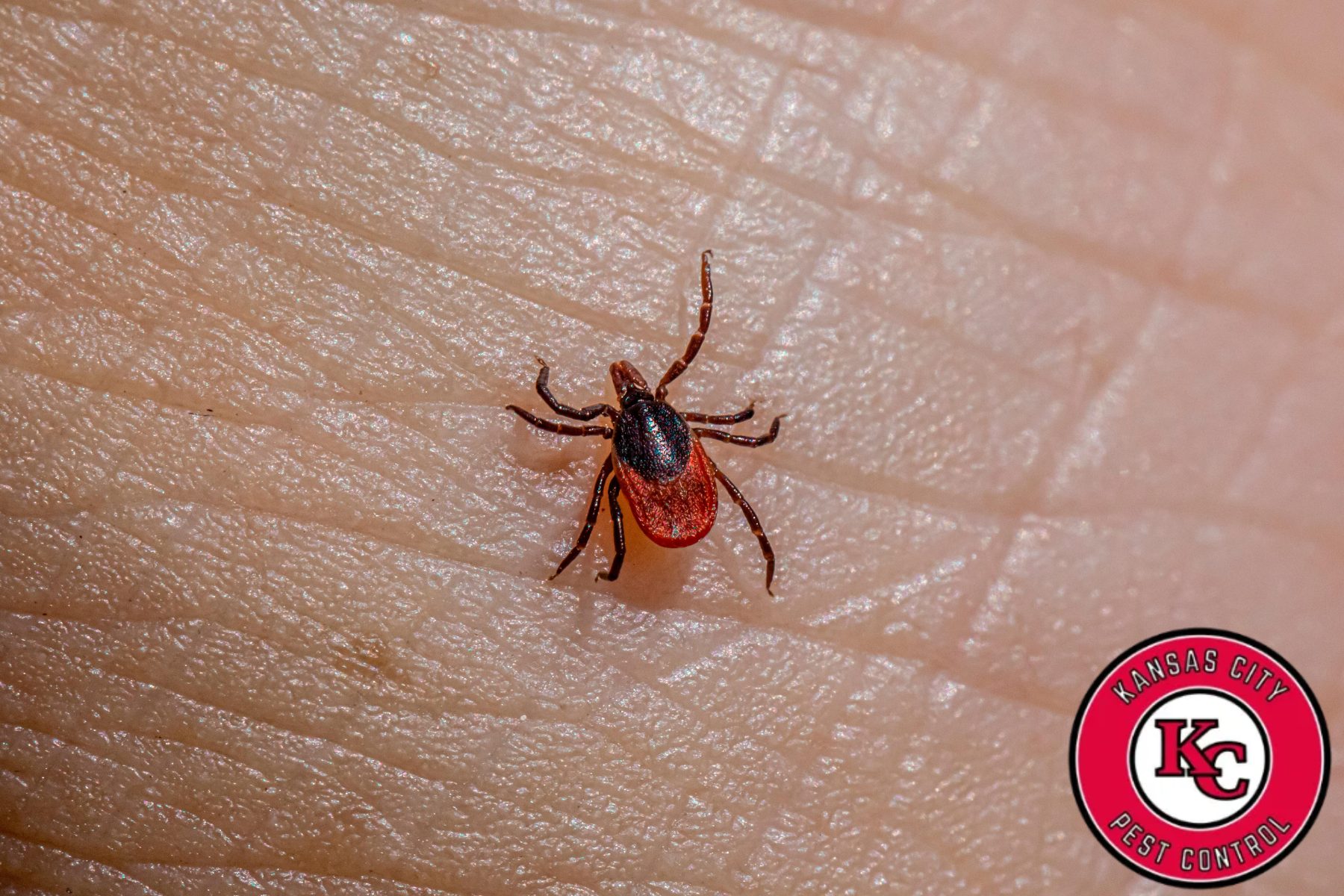
Ticks are tiny, blood-sucking arachnids that are often found in wooded areas, tall grasses, and around outdoor pets. Although small, ticks are a significant concern because they can transmit diseases such as Lyme disease, Rocky Mountain spotted fever, and ehrlichiosis. One common question homeowners ask is: How long can a tick live without a host? This article explores the life cycle of ticks, how long they can survive without feeding, and what this means for your home and outdoor spaces. For effective tick control, it’s important to understand their behavior and take preventive measures to protect your property.
Understanding the Tick Life Cycle
To understand how long ticks can survive without a host, it’s essential to know their life cycle. Ticks undergo four stages:
- Egg
- Larva (seed tick)
- Nymph
- Adult
Each of the three active stages (larva, nymph, and adult) requires a blood meal to progress to the next stage. Ticks are not born with the ability to feed immediately; after hatching, they must find a host to survive and develop.
How Long Can a Tick Live Without a Host?
Larvae
Tick larvae, often called seed ticks, can survive for several weeks to a few months without feeding. However, they are highly vulnerable at this stage and typically need to secure a host quickly to continue development.
Nymphs
Nymphs can survive without a host for up to 1 year, depending on environmental conditions such as humidity and temperature. Nymphs are often the most dangerous stage for disease transmission because they are small, hard to detect, and still capable of transmitting infections.
Adults
Adult ticks are the most resilient stage. Depending on the species, adult ticks can live for up to 18 months without a host. Some hard ticks, such as the blacklegged (deer) tick, can survive for over a year without a host by remaining dormant in leaf litter or shaded areas with high humidity. If you’re wondering how long ticks live without a host, the answer varies, but adult ticks can endure surprisingly long periods, especially in favorable environments.
How Long Can Ticks Live on You?
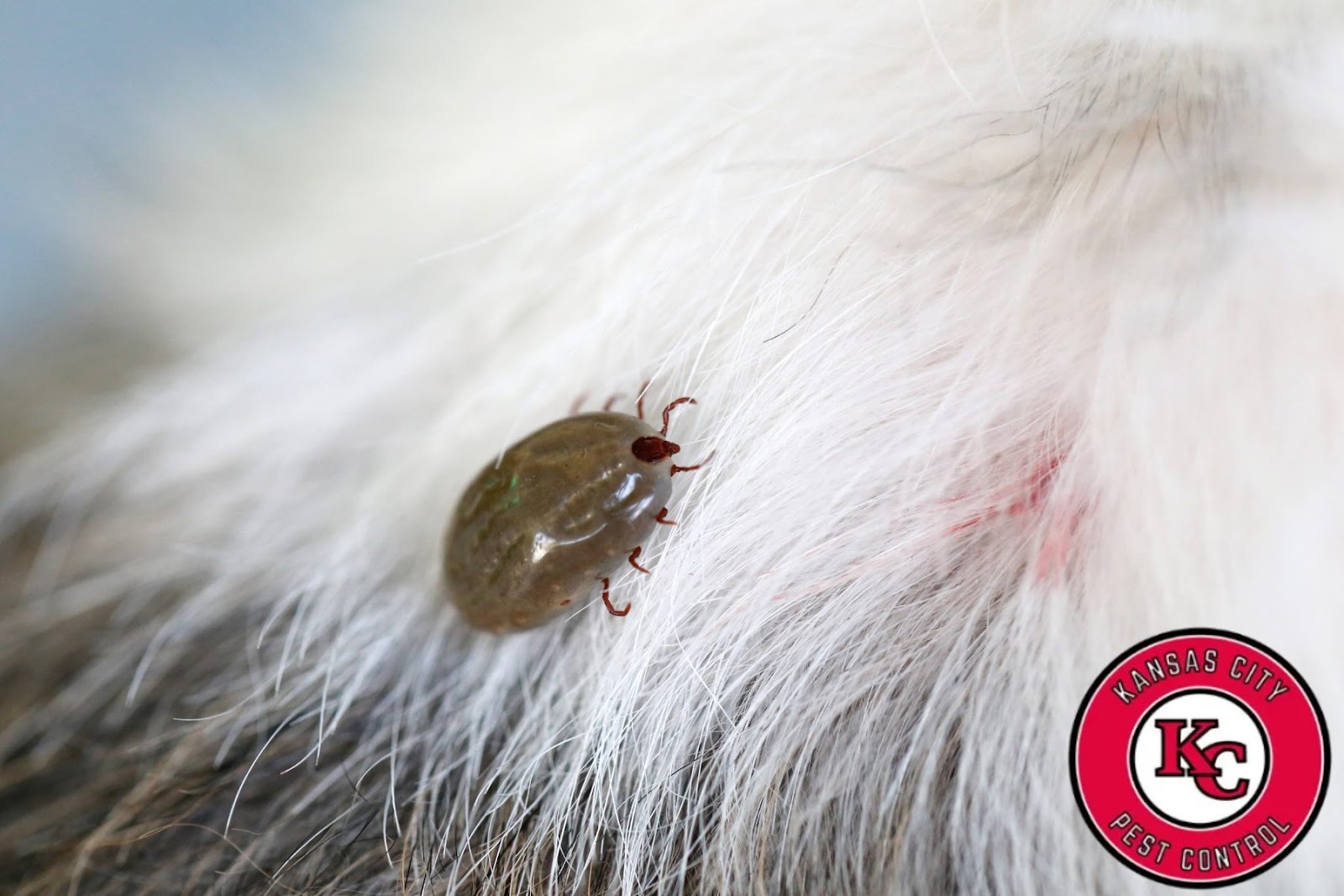
Ticks are resilient in their natural environments and can survive for several days to a week on humans or animals. Once attached, a tick feeds on blood, which can take anywhere from several hours to a few days. However, depending on the species and conditions, some ticks can remain attached for up to 7 days if not removed.
- Deer ticks (black-legged ticks) can remain attached for up to 7 days to feed.
- Dog ticks can remain attached for a shorter period, typically 3-5 days.
Ticks should be removed promptly to prevent disease transmission. If you’ve been outdoors, especially in wooded areas or tall grass, it’s essential to check your body for ticks regularly.
What Helps Ticks Survive Longer?
Several factors contribute to a tick’s ability to survive without a host:
- Humidity – Ticks rely on high humidity to prevent desiccation. Areas with dense vegetation or leaf litter offer ideal conditions.
- Shelter – Ticks hide in shaded areas such as wood piles, tall grass, and underneath decks or patios. These areas help maintain moisture and shield them from direct sunlight.
- Season – Ticks are more active during warmer months, but some can enter a dormant state during cold weather, extending their lifespan without a host.
Can Ticks Infest Your Home?
While ticks are primarily outdoor pests, they can enter homes by hitching rides on pets, people, or wildlife. Once inside, their chances of survival depend on the indoor environment. Ticks are unlikely to thrive indoors unless they have consistent access to a host. They require a humid environment to avoid dehydration.
- Signs of ticks inside your home: They may hide in carpets, furniture, or baseboards, especially if pets sleep in those areas. If you suspect ticks in your home, search for “tick control near me” and hire professionals who understand how to locate and eliminate the problem at its source.
Common Signs of Tick Activity
Detecting ticks can be challenging due to their small size and stealth. Here are some warning signs:
- Finding ticks on pets or people
- Pet scratching or biting at certain areas excessively
- Tiny dark spots on bedding or pet fur
- Tick bites that appear as red bumps or bullseye rashes
Staying vigilant and checking pets and people after spending time outdoors is crucial for early detection.
How to Prevent Ticks From Entering Your Property
Maintain Your Yard
- Keep the grass mowed short
- Remove leaf litter and wood piles
- Trim shrubs and bushes away from walkways
Protect Pets
- Use veterinarian-approved flea and tick preventatives
- Check pets after walks or time spent in grassy areas
Create Tick Barriers
- Install a gravel or wood chip barrier between wooded areas and lawns
- Place fencing to prevent wildlife from entering the yard
Indoor Precautions
- Wash pet bedding regularly
- Vacuum carpets and upholstery frequently
- Inspect clothing and skin after spending time outdoors
For ongoing support, working with a trusted exterminator Independence MO can help keep your home and property tick-free.
When to Call the Professionals
If ticks keep reappearing despite your best efforts, professional pest control is your best option. Experienced technicians can:
- Identify the species and scope of the problem
- Apply targeted, pet-safe treatments
- Offer yard and perimeter sprays for long-term protection
- Recommend steps to reduce attractants and harborage areas
A trained team specializing in pest control Independence MO understands the local tick population and has access to effective tools not available to the general public.
Final Thoughts
Ticks are persistent pests that can survive for extended periods without a host, especially in the adult stage. While they may not infest your home in the traditional sense, their presence around your yard or on pets poses a risk for bites and disease transmission. Understanding their survival capabilities and taking preventive steps is key to staying protected. For effective Independence pest control, make sure to address tick prevention both indoors and outdoors to safeguard your family and pets from these harmful pests.
If you’re still concerned about how long ticks can live without a host or if you’re seeing signs of activity around your home, it’s time to take action.
About Kansas City Pest Control
Kansas City Pest Control is your trusted partner for safe, effective, and customized pest solutions. Based in Kansas City, MO, we proudly serve nearby communities, including Independence and Overland Park. Whether you’re dealing with ticks, fleas, ants, or rodents, our expert team delivers proven, eco-conscious treatments that eliminate pests and prevent future infestations.
If you’re dealing with ticks around your home or yard, don’t wait; contact us today for safe and effective solutions. Let us help you protect your family and pets from ticks and other pests. Call now to schedule your consultation!
FAQ: People Also Ask
1. How long can ticks survive on a human?
Ticks can survive on humans for several days to a week, depending on the species. They typically feed for 3–7 days before detaching, depending on the environment and whether they are allowed to feed fully.
2. Can ticks live inside my house?
Ticks can survive indoors if they find a host and the environment is humid enough. However, they are primarily outdoor pests. It’s important to inspect your pets and surroundings if ticks are suspected.
3. How can I get rid of ticks in my yard?
To reduce ticks in your yard, maintain your lawn, remove leaf piles, and create barriers to prevent ticks from entering. Professional tick control services can also provide targeted solutions for long-term protection.