Wasps are more than just an occasional nuisance; they’re aggressive, territorial, and capable of delivering multiple painful stings. Whether you’re allergic to wasp venom or simply want to avoid an infestation near your home, prevention is always easier and safer than removal. Investing in preventive wasp treatment and knowing how to stop wasps from settling in and building nests can save you time, stress, and potential medical bills.
If you’ve been wondering how to prevent a wasp infestation before it starts, this guide walks you through practical and effective strategies from identifying nesting spots to applying safe deterrents.
Why Wasps Choose Your Property
Wasps are opportunistic creatures, drawn to places that offer food, shelter, and protection. Here are some reasons they might target your property:
- Sheltered nesting sites like under eaves, in wall voids, attic spaces, sheds, or playsets
- Abundant food sources, including sugary drinks, exposed trash, compost, and insect prey
- Still or stagnant water that serves as hydration for the colony
- Floral landscaping that provides nectar
To prevent wasps, you’ll need to make your home and yard less attractive to them.
Signs a Wasp Infestation May Be Developing
Preventing an infestation means recognizing early indicators. These include:
- Increased wasp activity near your roofline, garage, or deck
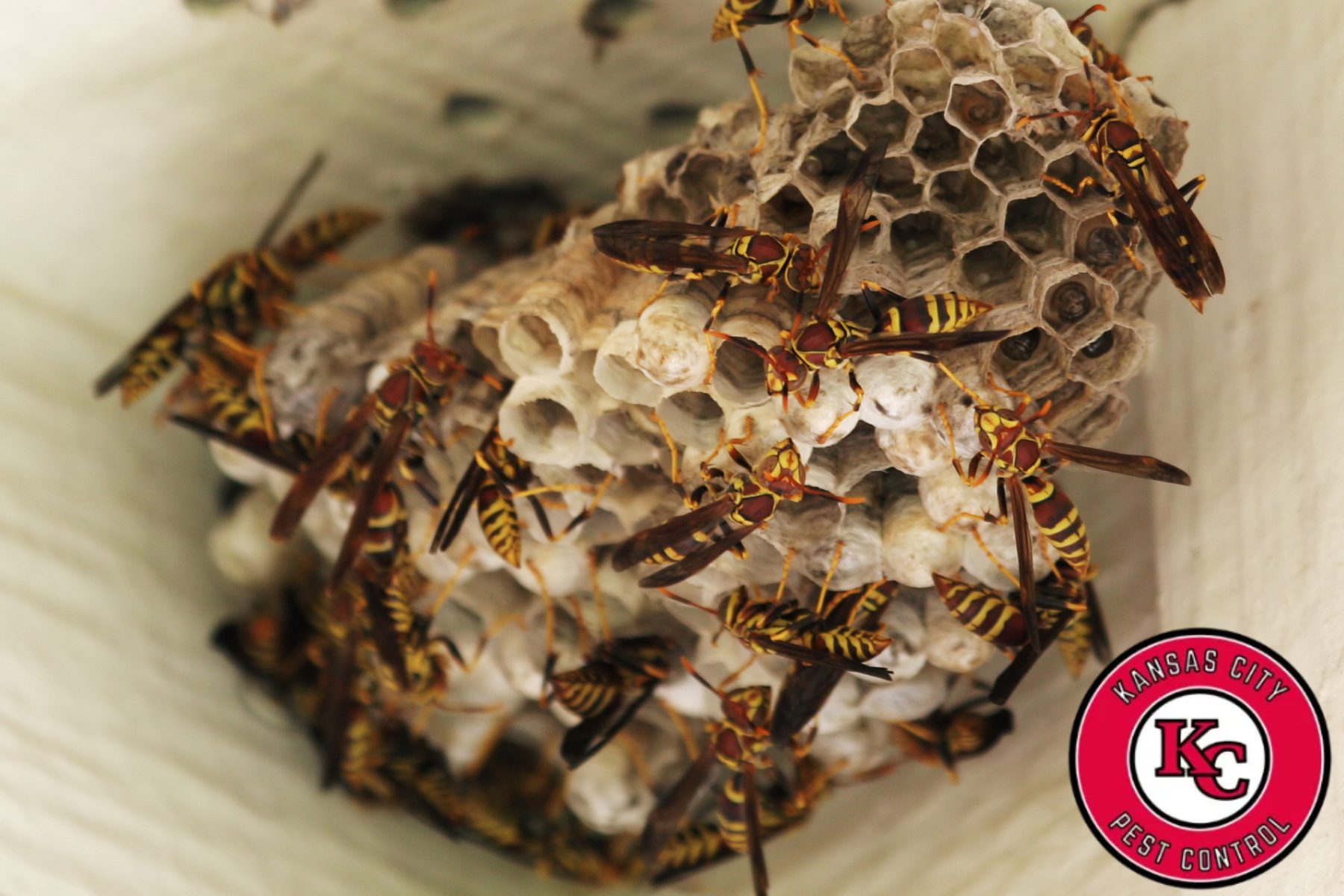
- Small papery nests forming under overhangs or eaves
- Wasps are entering wall cavities or crevices repeatedly
- Buzzing sounds inside walls or ceilings
If you catch these signs early, you can address the problem before a full colony establishes itself.
How to Deter Wasps Before They Nest
Eliminate Attractants
Start by removing anything that draws wasps to your property:
- Secure trash cans with tight lids
- Rinse recyclables to remove sugary residue
- Pick up fallen fruit from trees or garden areas
- Clean grills and outdoor eating areas
- Avoid leaving pet food outdoors
Food is a major attractant. Remove the buffet, and you lower the risk of a visit.
Seal Entry Points
Wasps often nest in wall voids, attic spaces, and soffits. Conduct a visual inspection and:
- Seal cracks in siding and brickwork
- Install screens on attic vents
- Replace damaged window and door screens
- Use caulk or expanding foam to seal gaps around cables, pipes, or vents
These small home maintenance tasks can block access to nesting spots.
Use Wasp-Repelling Scents
Wasps dislike certain smells, which can act as effective natural deterrents. Some proven natural wasp repellent options include:
- Peppermint oil mixed with water and dish soap
- Clove, geranium, and lemongrass essential oils
- Vinegar mixed with water and a few drops of dish soap
Spray these mixtures around common nesting spots, such as eaves, porch roofs, and deck railings.
Install Decoy Nests
Wasps are territorial and typically avoid building near another colony. Hanging a decoy wasp nest can discourage new nests from forming nearby. These are most effective early in the season, typically in the spring before queens choose their nesting sites.
Place Strategic Wasp Traps
Commercial or homemade traps can reduce the local wasp population. While traps don’t prevent nesting entirely, they are useful for monitoring activity and reducing pressure around outdoor areas. Position traps far from high-traffic zones, such as patios or play areas.
Use Preventive Pest Control Treatments
Early-season treatments are one of the most effective strategies for wasp prevention. A professional exterminator in Lee’s Summit can apply targeted applications to high-risk nesting areas and develop a custom strategy based on your property’s layout.
Proactive pest management ensures:
- Long-lasting barriers in common nesting sites
- Regular inspections during peak activity months
- Safe, strategic use of wasp repellents that prevent future activity
If you’re looking for reliable pest control in Lee’s Summit or nearby communities, getting ahead of the issue with preventative treatment is often the best course of action.
What to Avoid When Preventing Wasps
Some common missteps can actually worsen your wasp situation:
- Swatting at wasps may provoke them and alert others to defend the area.
- Leaving sugary beverages or food out during barbecues can quickly attract scouting wasps.
- Failing to remove old nests can send a signal that the area is hospitable. Even abandoned nests should be knocked down and removed.
When Prevention Isn’t Enough
Despite your best efforts, you may still find wasps building nests on your property. Don’t attempt to remove active nests without proper protection and knowledge. Wasps become highly aggressive when their nest is threatened, and multiple stings can be dangerous, especially if the nest is in a hard-to-reach or enclosed space.
In such cases, a professional pest control technician in Lee’s Summit, MO, will assess the situation, safely eliminate the nest, and recommend further actions to prevent recurrence.
If you’re searching for wasp control, opt for licensed professionals who use safe, effective methods tailored to the behavior of the specific wasp species.
Final Thoughts
Preventing a wasp infestation isn’t about eliminating nature; it’s about creating an environment that discourages wasps from settling in the first place. By securing food sources, sealing potential nesting sites, and using natural or commercial wasp repellent options, you can enjoy your home and outdoor spaces in peace.
Early spring is the best time to begin prevention strategies. Acting early reduces the chance of a full-blown infestation and the health risks that come with it.
About Kansas City Pest Control
Kansas City Pest Control is a trusted provider of safe, effective pest management solutions for homes and businesses across the metro area, including Lee’s Summit and surrounding communities. From proactive wasp prevention to full-service pest elimination, our experienced team uses industry-leading practices and proven treatments tailored to your property’s unique needs.
If you’re noticing wasp activity around your home, don’t wait for it to turn into a full infestation. Contact us today for safe, effective prevention and peace of mind.
Frequently Asked Questions
What attracts wasps to my property?
Wasps are attracted to food, water, and sheltered nesting areas such as eaves, attics, and wall voids.
When do wasps start building nests?
Wasps typically begin building nests in early spring when queens come out of hibernation.
How can I keep wasps away naturally?
You can use scents like peppermint oil and keep food and trash sealed to reduce attraction.
Are wasps dangerous?
Yes, wasps can sting multiple times and may become aggressive if their nest is disturbed.
When should I call pest control for wasps?
If you notice increased activity or an active nest, it is best to contact pest control before the infestation grows
Learn more here:
How to Keep Wasps From Coming Back After a Nest Removal in Your Liberty Home