
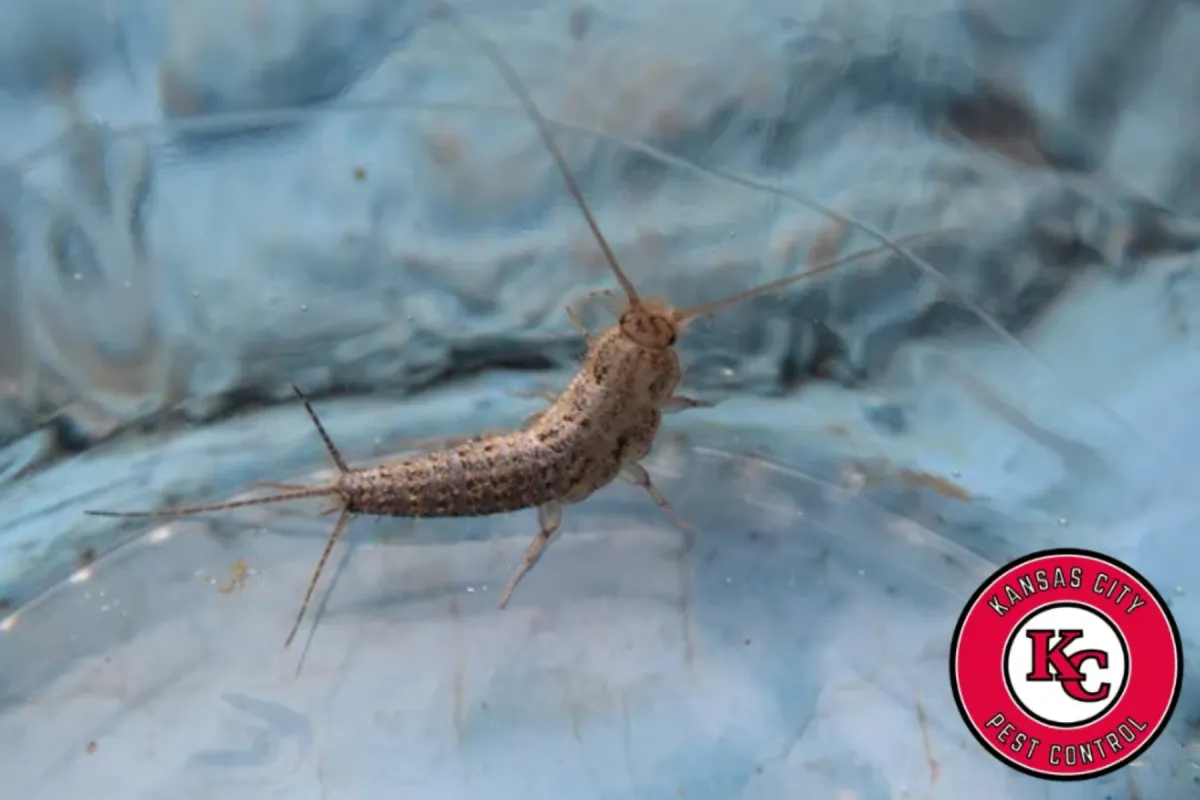
Sealed pantry containers and decluttering reduce silverfish populations by locking away essential carbohydrate food sources and eliminating their flat, dark hiding spots. Silverfish rely on accessible starches, sugars, and cellulose, meaning unsealed grain boxes and stacked paper piles act as primary breeding grounds. Denying them these structural necessities causes localized colony collapse.
The Nutritional and Spatial Biology of Silverfish
Managing a silverfish infestation requires changing the physical conditions inside your kitchen cabinets, storage closets, and utility areas. These primitive insects have unique dietary habits and survival needs that rely heavily on household items. When they enter a home, they search out dark, damp rooms where they can feed undisturbed.
Starving Out the Carbohydrate Feeders
Silverfish are scavengers with a strong preference for complex carbohydrates, starches, and cellulose. They do not just target spilled baking goods; their specialized digestive systems allow them to eat a wide variety of household materials:
- Pantry Dry Goods: Flour, rolled oats, sugar crystals, and open boxes of breakfast cereal.
- Cellulose-Rich Packing Materials: Corrugated cardboard storage boxes, paper grocery bags, and wallpaper paste.
- Sized Fabrics and Starched Garments: Cotton textiles, linen sheets, and bookbinding glues.
Eliminating the Micro-Chasm Harborages
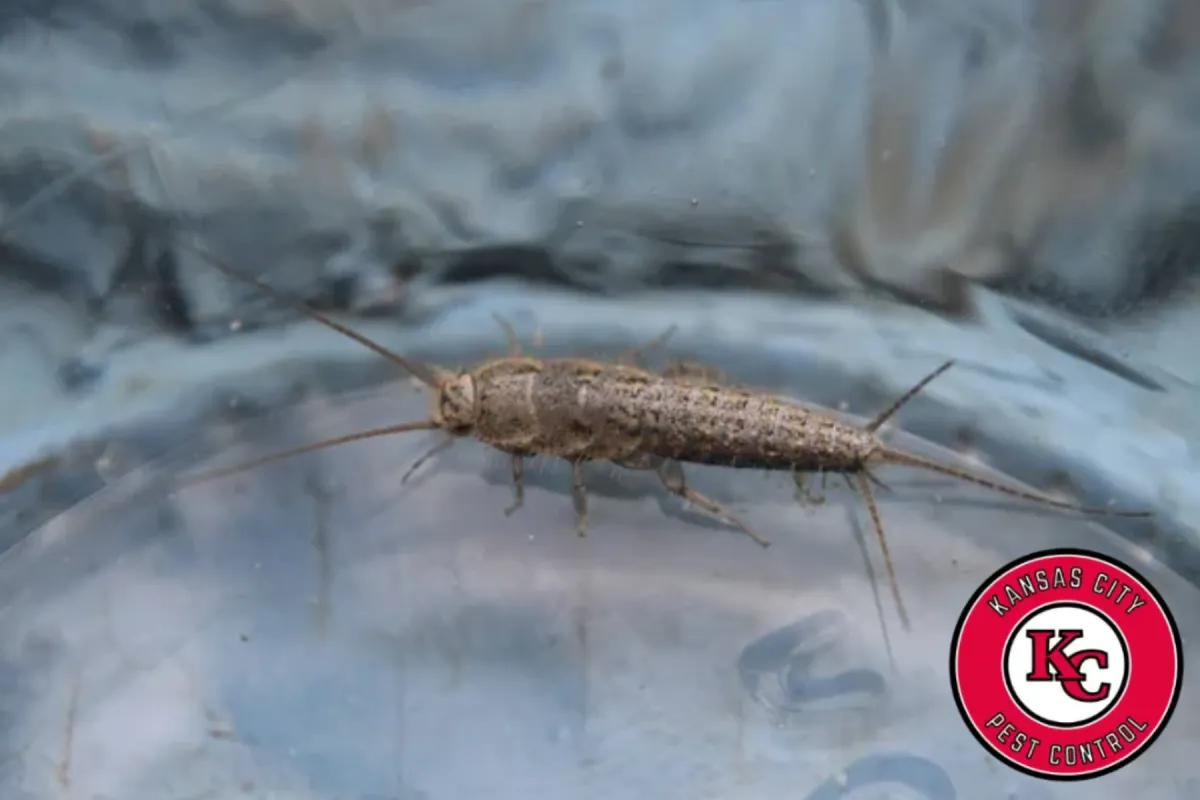
Because their bodies are vertically flattened, silverfish can slip easily into impossibly tight cracks, seams, and crevices. Piles of clutter provide the perfect flat, undisturbed hiding spots where they can thrive. When you leave old magazines, loose tax papers, or cardboard storage boxes sitting on a floor or shelf for months, you create an ideal shelter where silverfish can rest, hide from bright lights, and lay eggs safely. Taking care of these hotspots with proper Independence pest control methods prevents minor insect issues from becoming long-term headaches.
Environmental Material Comparison: Vulnerable Storage vs. Protected Assets
Replacing standard paper packaging with durable storage methods changes your home’s micro-climate, making it completely uninviting to silverfish. This environmental shift naturally stops infestations by removing the resources they need to survive.
| Storage Metric | Vulnerable Baseline Household Setup | Professionally Managed Home Environment |
| Primary Food Access | Open cardboard boxes, thin paper bags, and loose baking sheets. | Air-tight silicone-sealed glass or heavy polymer canisters. |
| Cellulose Availability | Packed stacks of old newspapers, magazines, and cardboard bins. | Clear plastic storage tubs; paper files kept in sealed bins. |
| Harborage Space Density | High; cluttered floors, unorganized shelves, and messy closets. | Minimal; clean, open surfaces that let air circulate freely. |
| Relative Humidity Focus | High moisture retention inside dense, dark stacks of paper. | Low moisture retention; dry shelves exposed to regular airflow. |
When you replace cardboard with plastic and clear out dense piles of paper, you force silverfish into the open. Without food and flat hiding spots, their reproductive cycles stop, making it much easier for a certified exterminator in Independence, MO, to completely clear them out of your home.
Debunking the Myth: “Silverfish Only Eat Fine Silks and Expensive Clothes”
The Misconception: “You only need to worry about protecting your high-end silk dresses and expensive wool suits from silverfish, because they do not bother with regular cotton, linen, or synthetic fabrics.”
This common belief is a major industry misconception that misleads homeowners during closet cleanouts. Silverfish do not possess the same biological feeding habits as clothes moths. They cannot digest keratin, which is the main protein found in natural wool, feathers, and fur.
Homeowners seeking answers about pest control in Independence, MO often learn that the real reason silverfish destroy clothing is that they are attracted to the starches, sizing agents, and synthetic glues used during fabric manufacturing or laundering. They will happily chew through cotton shirts, linen drapes, and book bindings to feed on these starches. A cheap cotton t-shirt stored in a damp cardboard box is at a much higher risk of silverfish damage than a clean wool coat hanging in a dry, well-lit closet.
Applying Our Cellulose Extraction and Barrier Integration to Solve This
At Kansas City Pest Control, we bring a professional, customer-focused, and results-driven approach directly to your home or business. We understand that a clean, comfortable environment is essential for your peace of mind. Instead of relying on guesswork or temporary sprays, we draw on our 20+ years of experience to assess your property’s unique layout and create a custom treatment plan that targets the root cause of the infestation. During a recent home inspection in Independence, our specialist team located a heavy silverfish breeding zone inside a damp stack of stored moving boxes, resolving the issue completely before the insects could migrate into the main kitchen cabinets.
Strategic Material Management
We solve deep-seated silverfish issues with a balanced, three-part system that targets pests from every angle. Our process combines targeted insecticide treatments, direct physical removal, and long-term environmental modification.
First, we use specialized industrial vacuums to clear out active insects, webs, and eggs from your shelves and baseboards. Next, we help you identify and remove heavy cellulose food sources, such as damp cardboard boxes and unorganized paper stacks, and replace them with clear, uninviting space that prevents insects from nesting.
Safe Baseboard Protection
To eliminate any pests hidden deep inside your home’s infrastructure, we treat active entry points using advanced, low-impact products. Our technicians focus on dusting wall voids, plumbing pipe chasms, and cabinet joints to reach silverfish where they hide.
We prioritize safety and transparency, using only family- and pet-safe products that protect your loved ones and the local environment. This careful, science-backed approach provides lasting protection without leaving harsh odors or sticky residues in your living spaces.
Features of Professional Silverfish Management Systems
- Silicone Architectural Sealants: High-flexibility compounds used to fill and pack narrow baseboard gaps and cabinet cracks, permanently blocking entry tracks.
- Cellulose-Free Monitoring Nodes: Low-profile sticky traps utilizing synthetic attractants to quietly track silverfish activity without providing a food source.
- Long-Chain Polymer Dust Barriers: Fine, dry mineral treatments placed inside wall chasms to create long-lasting physical barriers on active pest paths.
- Enzymatic Surface Washes: Advanced cleaning solutions used to safely strip away residual sizing glues and organic starches from storage shelves.
People Also Ask (FAQ)
Can silverfish chew through standard zip-top plastic sandwich bags?
Yes. While silverfish cannot chew through thick, rigid plastic storage containers, they can easily puncture thin, low-density polyethylene sandwich bags if they smell grains or starches inside.
Why do silverfish constantly appear inside clean bathroom porcelain tubs and sinks?
Silverfish crawl into sinks and bathtubs looking for moisture or drinking water. Because porcelain and ceramic surfaces are completely smooth, the insects cannot gain traction to climb back out, trapping them in plain sight.
Do lavender sachets or cedar blocks effectively eliminate a silverfish infestation?
No. While natural cedar oils and lavender scents can act as mild, temporary deterrents, they do not have a lasting effect on an established infestation. They will not stop silverfish from feeding on nearby paper or laying eggs in dark wall voids.
How do silverfish enter a home in the first place?
Silverfish typically enter homes by hitching rides in cardboard shipping boxes, grocery bags, or old books brought in from storage facilities. They can also crawl inside from mulch beds through gaps in doors, windows, and foundation vents.
Reclaim the Cleanliness and Security of Your Storage Spaces
Leaving unsealed pantry items and stacked paper piles unchecked turns your kitchen cabinets and storage closets into perfect breeding grounds for silverfish. You deserve to feel completely confident, relaxed, and reassured knowing your home is safe from unwanted invaders. At Kansas City Pest Control, we combine technical field expertise with an approachable, friendly attitude to ensure your pest concerns are handled professionally and effectively.
We are dedicated to delivering safe, efficient, and lasting solutions tailored to your specific needs, whether you are dealing with termites, rodents, or crawling insects. Our honest pricing and clear communication build a foundation of trust, giving you the freedom to focus on your daily life without worry.
Don’t let recurring pest problems or damaged clothing ruin your home’s peace of mind. Take a proactive step toward complete structural safety today. Contact us today to schedule your consultation. Let our professional team protect your home with the care you can count on.