
Ticks suddenly appear in short yards because they are carried past your lawn borders by wildlife hosts like mice, deer, rabbits, and birds. While short grass reduces soil moisture, ticks easily survive in shaded yard perimeters, leaf litter, and groundcover plants, venturing out onto the lawn to seek new hosts. Keeping your grass mowed is only one part of a complete yard protection plan.
Finding these tiny, blood-feeding pests on your family members or pets after a brief walk through a freshly mowed yard is incredibly frustrating. Many homeowners put a lot of effort into maintaining a manicured lawn, believing that short grass is a natural shield against pests. However, these pests are highly resilient arachnids that do not rely solely on tall grass to find their targets.
To solve this problem, you have to look at the broader environment around your home. During a recent yard audit for a family home in Olathe, our technicians discovered that while the center lawn was cut to golf-course precision, the wooded edge of the property was teeming with active pests. This is why securing your outdoor space requires specialized Olathe pest control strategies that address the damp, shaded zones where these pests actually breed and hide.
The Real Culprits: How These Pests Bypass a Mowed Lawn
Keeping your lawn closely mowed is a great first step, but it is not a complete fix. These pests are highly resourceful and rely on specific pathways to enter and navigate your property.
1. The Wildlife Vector Highway
The main way these pests enter a clean, short yard is by hitchhiking on local wildlife. Animals like white-tailed deer, raccoons, opossums, rabbits, and especially field mice constantly cross your lawn. As they travel, engorged pests fall off their bodies and land directly in your grass. This constant introduction of pests means that even if your lawn is too hot and dry for them to live there permanently, new ones are dropped off daily. If you are struggling with a sudden outbreak, investing in professional pest control in Olathe, KS can help you identify these wildlife pathways and block them.
2. Shaded Boundary Microclimates
These pests are highly sensitive to dehydration. They cannot survive for long in direct sunlight on dry, short turf. However, many homeowners in Olathe realize that cut grass is only half the battle when their property borders woods, dense ornamental gardens, or unraked leaf piles. Pests use these cool, damp zones as home bases, resting in the shade during the hot afternoon and venturing out onto the short grass only when the sun goes down.
3. Low-Lying Groundcover and Ivy
Many homeowners plant low-lying groundcovers like English ivy, pachysandra, or dense clover to add beauty to their yards. While these plants look great, they create a perfect, humid environment right at ground level. This thick canopy shields pests from the drying effects of the sun, allowing them to thrive just inches away from your mowed lawn. Managing these specific landscape features is a key part of effective pest control in Olathe.
4. Overhanging Tree Canopies and Brush
Tall weeds or low-hanging branches brushing against your patio, play sets, or fences create easy transition zones. Pests can crawl up these pathways and wait at knee-level or waist-level, ready to latch onto passing humans or pets without ever touching a single blade of grass on your lawn.
Tick Species Identification: Understanding Your Yard’s Invaders
Different species of ticks prefer distinct hosts and yard habitats. Knowing which species is active on your property is key to choosing the right defense strategy.
Species and Habitat Comparison Matrix
| Tick Species | Physical Appearance | Primary Wildlife Hosts | Preferred Yard Habitat | Key Health Risk |
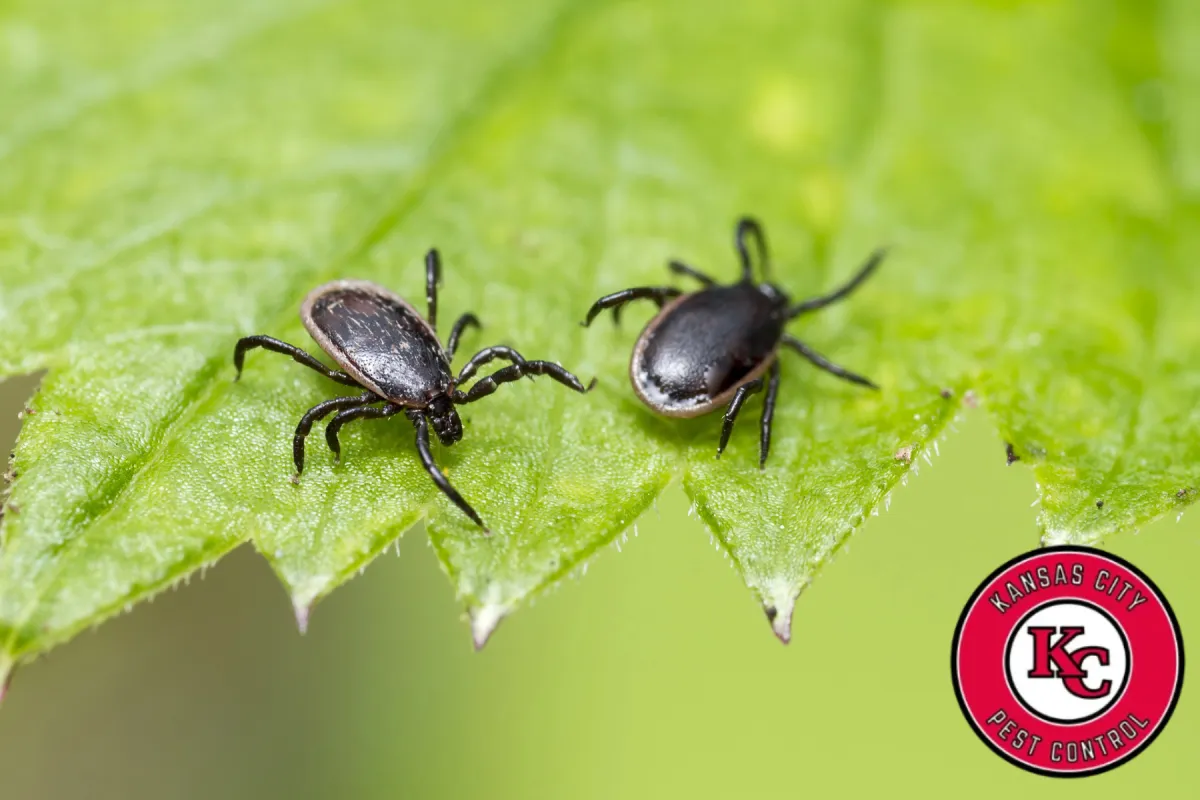
| Deer Tick (Blacklegged Tick) | Tiny (1/8-inch), dark brown body with black legs and no white markings | White-footed mice, deer, migrating birds | Deep leaf litter, damp wooded borders, stone walls | Lyme Disease, Anaplasmosis |
| Lone Star Tick | Medium (1/6-inch), reddish-brown; adult females have a single white dot on their back | White-tailed deer, turkeys, coyotes, foxes | Thick brush, tall weeds, shaded transitional grass | Alpha-gal Syndrome (red meat allergy) |
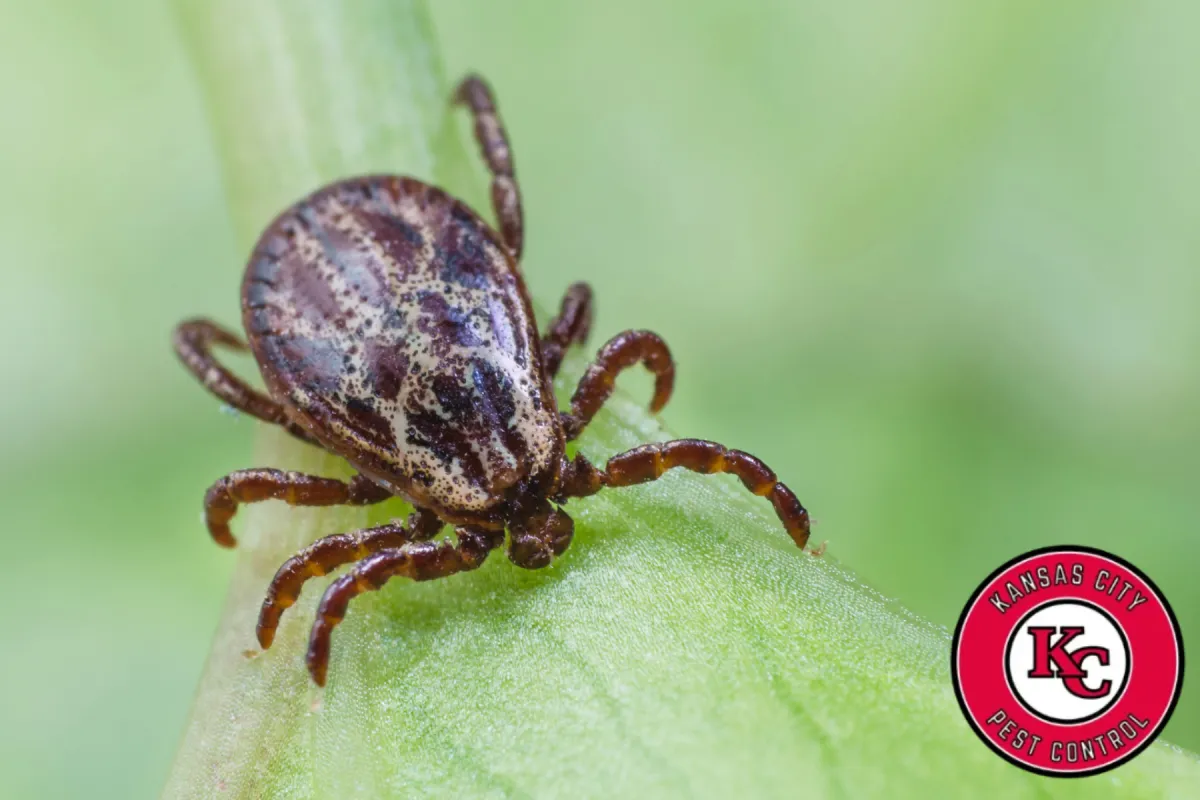
| American Dog Tick | Large (3/16-inch), dark brown with ornate silver-gray markings on the shield | Dogs, raccoons, opossums, rodents | Sunny path borders, tall meadow grasses, backyard fences | Rocky Mountain Spotted Fever |
Because larval and nymph-stage pests are incredibly small, sometimes no larger than a poppy seed, they are almost impossible to see on your lawn. Knowing the difference between these species helps our team target the exact areas where they are most likely to hide.
Debunking the Myth: Do They Fall From Trees and Jump Onto Targets?
A very common misconception is that these pests wait high up in tree branches to drop down onto unsuspecting people and pets, or that they can jump like fleas to bridge long distances.
The Reality: These pests are physically incapable of jumping, flying, or dropping from high tree canopies. Instead, they use a clever survival behavior called “questing.” They climb to the tips of low-lying weeds, grass blades, or brush (usually no higher than knee-level) and hold onto the vegetation with their rear legs while extending their front legs. When a human or animal brushes past, the pest instantly clings to their fur or clothing and begins crawling upward to find a feeding spot.
Applying Our Specialized Protocols to Secure Your Yard
At Kansas City Pest Control, we do not believe in using random, heavy chemical sprays that can harm beneficial insects or saturate your soil. Instead, we implement a safe, biological-first approach designed to clear your yard and protect your family. Here is how our specialized framework operates:
Insect repellent containing DEET
We educate homeowners on personal protection steps, including the correct application of a reliable insect repellent containing DEET when entering heavily wooded or untreated brush zones off their properties.
More than 20 years of experience
Our certified team brings more than 20 years of experience to every backyard, allowing us to recognize specific wildlife trails and microclimates where arachnids breed.
Tailored treatments
: We do not believe in one-size-fits-all sprays; instead, we design tailored treatments targeting the unique shaded perimeters, rock walls, and landscape features of your property.
Eco-friendly solutions
We utilize family- and pet-safe products to establish our barriers, ensuring that our eco-friendly solutions clear the pests without putting your children, dogs, or local pollinators at risk.
Locally owned and operated company
As a locally owned and operated company, we have a deep personal interest in keeping our Missouri communities safe, clean, and completely protected from tick-borne risks.
Top-notch solutions
We deploy a range of top-notch solutions, from targeted liquid barriers to cotton-filled tubes that neutralize larval populations right at the biological source.
By combining these professional methods with simple landscaping adjustments, we help you establish a permanent defense system that keeps your family and pets safe all year long.
People Also Ask
Do ticks die in a short lawn under direct sunlight?
Yes. These pests have thin outer shells and dry out quickly under direct sunlight and low humidity. On a short lawn exposed to full sun, the relative humidity usually drops below their survival threshold of 75%, forcing them to either crawl back to shaded borders or perish within hours.
What animals are most responsible for dropping ticks in my mowed yard?
The white-footed mouse is the primary host responsible for supporting the pest population in residential yards. While deer carry adult pests, mice carry the larval and nymph stages, which are much harder to spot and are responsible for most disease transmission.
Can yard treatments kill tick eggs, or only active nymphs and adults?
Standard yard treatments are designed to target active nymph and adult pests. Egg masses are usually laid deep within protected soil or thick leaf litter, making them highly insulated. This is why multi-step, seasonal barrier treatments are required to catch new hatchlings as they emerge.
Why are these pests so common in the Olathe region?
In Olathe and surrounding areas, the clay-heavy soil, dense wooded creek lines, and humid summer air create perfect conditions for pests to thrive. The abundant local wildlife population also acts as a constant transport system, dropping new pests into residential neighborhoods.
Conclusion & Next Steps
A short lawn is an excellent foundation for prevention, but it cannot stop wild animals from introducing new pests to your property. To secure your outdoor living space, you must focus your efforts on the shaded borders, leaf piles, and brush lines where these pests hide. During a recent seasonal inspection for a property in Olathe, our technicians were able to reduce active pest counts by over 90% simply by clearing overgrown brush lines and applying our targeted barrier treatments.
As a professional and reliable pest control company, Kansas City Pest Control is committed to providing effective, tailored solutions for each customer. Our core belief is delivering high-quality, eco-friendly treatments that keep your property pest-free while keeping your family and pets safe. We stand out by offering personalized, hands-on care specifically customized to your unique needs, giving you total confidence and reassurance.
Protect Your Family and Pets Today
Do not let active pests keep you from enjoying your outdoor space this season. Contact us today to request your professional consultation or schedule a service.