
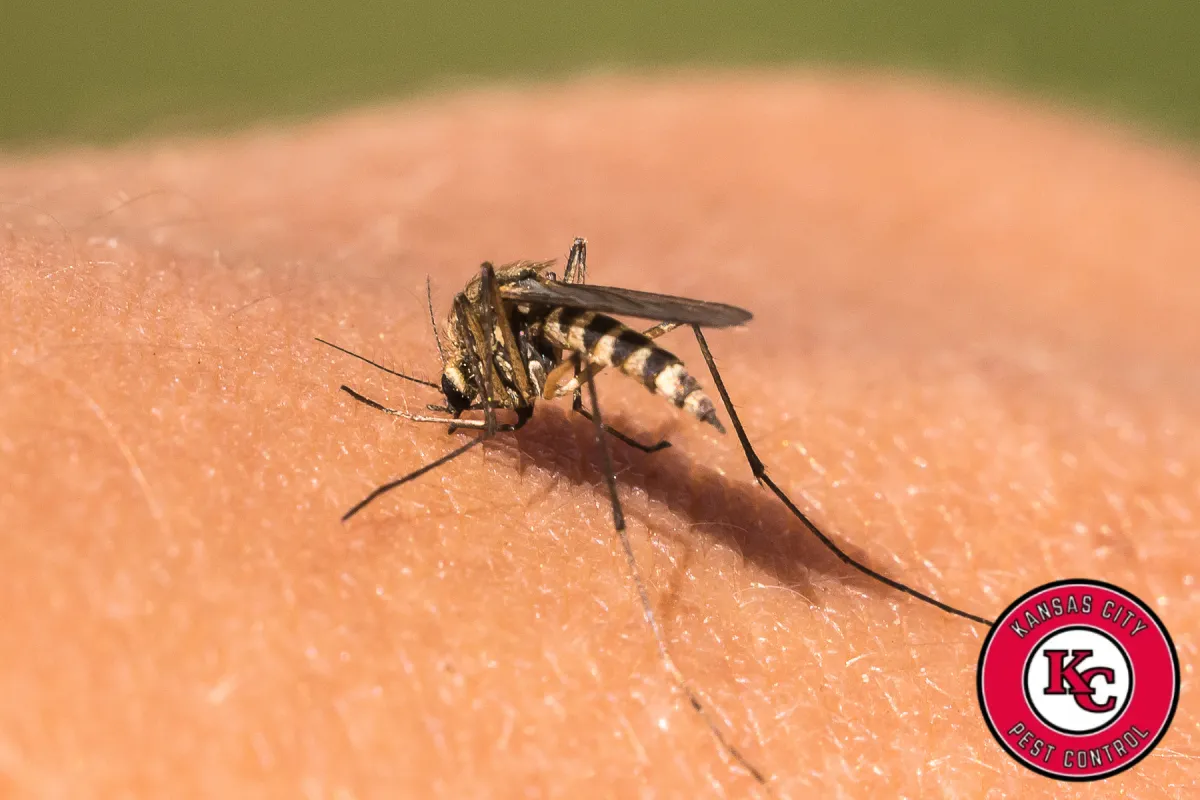
Professionals eliminate mosquito breeding sites by identifying standing water, applying biological larvicides to stop larvae, and treating surrounding foliage with microencapsulated barrier sprays. They also install physical drainage improvements and clear organic debris to prevent water collection, stopping the mosquito lifecycle before adults emerge.
Warm weather brings family barbecues, evening relaxation on the patio, and outdoor fun. However, swarms of biting bugs can quickly ruin your outdoor plans and drive everyone back inside. Beyond the itchy red bumps, these pests can carry health risks, making outdoor protection a top priority for property owners.
Many people try store-bought yard sprays or candles, but these only offer short-term relief. During a recent audit for a firm in Grandview, our team found that hidden water traps like clogged gutters, flowerpot saucers, and corrugated drain lines were producing thousands of pests every week. Understanding how professionals target these breeding zones is the secret to enjoying a bite-free yard all summer long.
Core Phases of Professional Mosquito Site Elimination (Action Matrix)
Breakdown of Property Treatment Actions
A complete property service relies on a step-by-step strategy. Instead of spraying fog blindly into the air, trained technicians target different life stages using specialized actions.
| Phase | Specific Professional Action | Target Mosquito Lifecycle Stage | Long-Term Impact |
| Site Identification | Mapping standing water, clogged gutters, and yard depressions | Eggs & Larvae | Pinpoints ground-zero breeding zones |
| Larvicide Application | Applying biological Bti granules to standing water | Larvae & Pupae | Prevents larvae from maturing into biters |
| Foliage Residual Treatment | Spraying microencapsulated barrier formulas under leaves | Resting Adults | Kills biting adults upon contact |
| Source Reduction | Clearing organic debris, improving drainage, turning over containers | Eggs | Permanently eliminates egg-laying habitats |
| Water Feature Protection | Installing biological controls or continuous water aerators | Eggs & Larvae | Keeps ponds and birdbaths bug-free naturally |
Addressing every phase ensures that young larvae cannot mature while adult mosquitoes find no safe place to rest. Combining these steps creates a strong protective shield around your living area
Professional Mosquito Treatment Specifications
Tool & Method Specifications
Trained exterminators use high-grade tools and products designed for specific areas of your lawn. These solutions offer strong results while remaining safe for surrounding outdoor spaces.
Biological Larvicides (Bti Granules & Dunks)
Primary Application: Placed directly into non-potable standing water, ditch lines, and catch basins.
Key Feature: Uses naturally derived soil bacteria that specifically target and destroy mosquito larvae.
Safety Profile: Safe for pets, fish, birds, plants, and beneficial pollinators like honeybees.
Microencapsulated Residual Surface Sprays
Primary Application: Applied under shade tree leaves, heavy shrubs, and dark porch framing.
Key Feature: Microscopic capsules stick to foliage, slowly releasing active protection over 21 to 30 days.
Safety Profile: Dries quickly and stays locked onto leaves, helping prevent runoff into soil or nearby streams.
Automated Misting & Water Aeration Systems
Primary Application: Perimeter nozzle lines or continuous water pumps in landscape ponds.
Key Feature: Keeps water moving so eggs cannot settle while releasing measured doses of plant-based treatments.
Safety Profile: Uses low-voltage equipment with family- and eco-friendly products.
Choosing the right treatment method keeps your yard pleasant while protecting beneficial garden insects. Homeowners looking for reliable pest control in Grandview, MO trust this balanced approach for safe and effective outdoor protection.
Step-by-Step Professional Breeding Site Removal Process
How Technicians Treat Your Yard in 4 Steps
When a technician arrives at your home, they follow a proven four-step walkthrough to cover every inch of your outdoor space.
- Comprehensive Water & Habitat Audit: The technician walks the property perimeter, checking low-lying lawn spots, roof gutters, potted plants, tree holes, and drain pipes.
- Biological Larvicide Placement: Eco-friendly larvicides are added to standing water that cannot be drained immediately, killing wrigglers before they grow wings.
- Resting Zone Micro-Misting: Technicians mist the underside of dense foliage, bushes, and shaded patio zones where adult biters sleep during daytime heat.
- Structural & Environmental Modifications: The technician fixes minor water traps, levels downspouts, and provides simple advice on keeping your lawn clear.
This clear process removes hidden breeding spots before pests become a major headache. Following these four steps keeps your lawn inviting for outdoor gatherings throughout the season.
Applying Our Science-Backed Technology and Natural Solutions to Solve This
A Complete Yard Defense Strategy
At Kansas City Pest Control, we combine modern equipment with eco-conscious care to reclaim your outdoor spaces. We focus on long-lasting safety and real results rather than temporary quick fixes.
Our complete strategy focuses on effective infestation management by combining specialized treatments with practical yard maintenance. We protect your family by using natural bug sprays like lemon eucalyptus or citronella alongside targeted insect repellent barriers to keep pests away without harsh chemical smells.
To eliminate hidden nests, our technicians apply advanced technology like precision backpack misting systems and targeted larvicides. This dual-action method kills adult biters on contact while stopping new eggs from hatching in standing water, giving you complete relief across your entire property.
Property owners seeking a trusted exterminator in Grandview, MO, count on our experienced team to keep their yards enjoyable. Our proven methods let you relax on your porch without worrying about constant bites.
Common Industry Misconception: “Fogging Outdoor Air Solves the Mosquito Problem”
Debunking the Quick-Fog Myth
Many people believe that blowing a cloud of temporary fog across the yard clears out pests for the season. In reality, basic fogging only touches adult insects flying through the air at that single moment. It does nothing to stop the thousands of eggs and wrigglers growing in nearby standing water.
Without treating the water sources where adult mosquitoes lay their eggs, new swarms will hatch and return within a day or two. While utilizing specialized Grandview pest control services, homeowners get direct targeting of water breeding spots alongside foliage barrier treatments for long-term control.
People Also Ask (FAQ)
Can mosquitoes breed in tiny amounts of water?
Yes. They need less than a bottle cap of stagnant water to lay hundreds of eggs. Common micro-breeding spots include plastic tarps, pet bowls, and saucers under plant pots.
How long do professional yard treatments last?
Professional barrier treatments usually stay active on foliage for 21 to 30 days, depending on rainfall amounts and direct sunlight exposure.
Will mosquito larvicides harm birds, fish, or pets?
No. Biological larvicides like Bti specifically target mosquito larvae. They are safe for birds, fish, frogs, pets, and humans.
How does Kansas City Pest Control eliminate mosquitoes?
Kansas City Pest Control uses a combination of natural bug sprays, advanced misting technology, biological larvicides, and breeding site removal to manage mosquito infestations safely.
Conclusion
Do not let biting pests ruin your outdoor fun. Our experienced team at Kansas City Pest Control is ready to deliver safe, effective, and guaranteed solutions so you can enjoy your yard in comfort.
Reclaim your yard today. Schedule your yard inspection and enjoy a more comfortable, mosquito-free outdoor space!