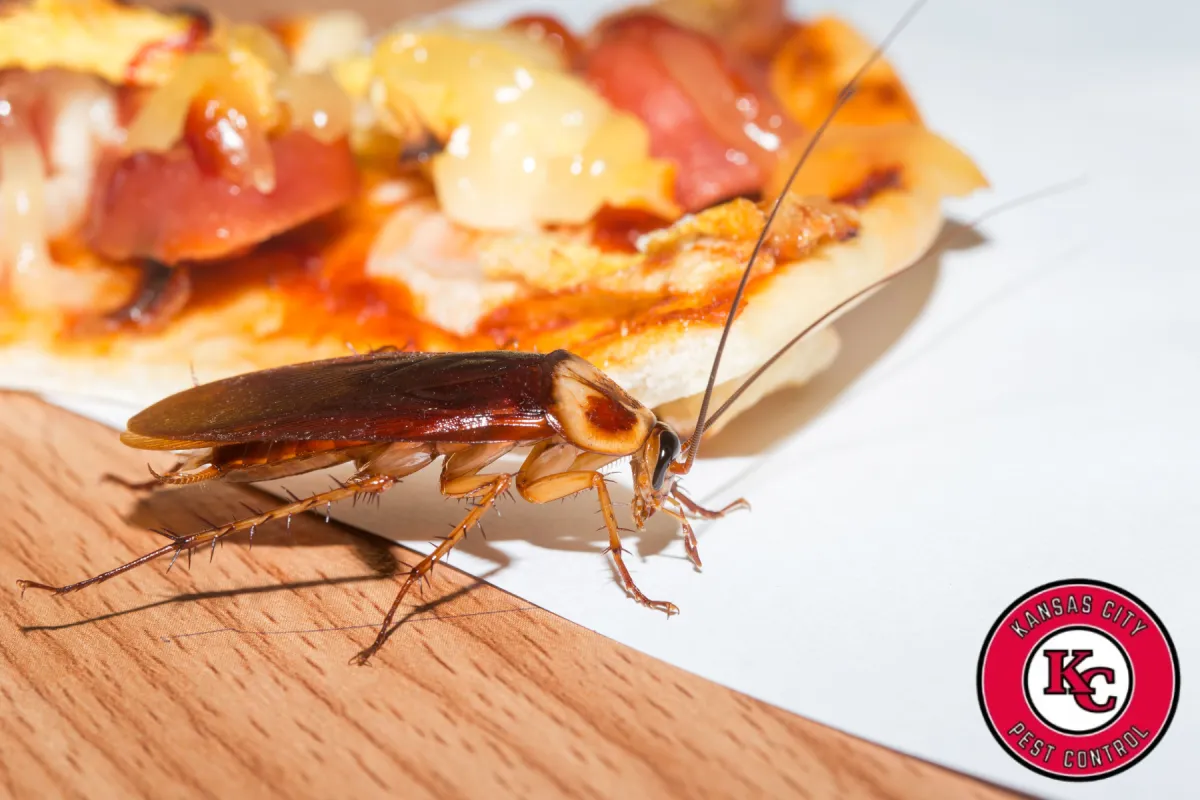
If you manage a restaurant in Kansas City, a pest sighting during a health inspection is one of those things that can turn a normal Tuesday into a bad week. A single roach on a wall, a mouse dropping near the dry storage shelf, or a fly problem near the service line can mean a violation on your report, a follow-up visit from the health department, and, if it happens in front of a customer, a hit to your reputation.
We work with restaurants and food service operations across the Kansas City metro, and pest-related violations come up more than most owners expect, even in kitchens that are clean and well-run. This post walks through how inspections generally work in this area, what inspectors are usually looking for, and what you can do before an inspector ever walks through your door.
How Often Do Health Departments Inspect Restaurants in the KC Metro?
Depending on where your restaurant sits, you could fall under Jackson County Environmental Health, Johnson County Environmental Health, the KCMO Health Department, or the Unified Government of Wyandotte County Public Health Department. Inspection frequency is typically set by the local health department and can vary based on your establishment’s risk category, compliance history, and jurisdiction.
We are not going to guess at a specific number of inspections per year here, because it genuinely differs by agency. Most jurisdictions in this area follow risk-based inspection models loosely tied to the FDA Food Code, meaning higher-risk operations tend to see inspectors more often than lower-risk operations like a coffee counter. If pest issues arise between inspections, Overland Park pest control can help address the problem before it becomes a larger compliance concern.
Common Pest-Related Violation Categories
Rodent droppings or gnaw marks near dry storage or baseboards. Fly activity near food prep or service areas. Cockroach harborage conditions (grease buildup, unsealed cracks, standing water, cardboard against walls). Evidence of pest activity near food contact surfaces. Structural conditions that invite pests (gaps under doors, torn screens, missing door sweeps).
Older buildings in parts of downtown KC and Westport, shared walls in strip mall commercial spaces, and seasonal rodent pressure as temperatures drop in fall all play into what we see on service calls.
What Is IPM, and Why Do Health Departments Look Favorably on It?
Integrated Pest Management leans on prevention, monitoring, and targeted treatment rather than routine blanket spraying. A documented commercial IPM program usually includes a sighting log, a device map showing bait station and monitor locations, a set service frequency, and a record of corrective actions.
Inspection-Prep Checklist for Restaurant Owners
Walk the perimeter for gaps under doors and unscreened vents. Inspect dry storage for droppings or damaged packaging. Check behind heavy equipment for hidden activity. Review drains and mop sinks for drain flies or standing water. Confirm dumpster lids close fully. Pull recent pest control in Overland Park service reports and keep them organized. Verify bait stations match your provider’s device map. Check storage rotation practices. Look at exterior lighting and landscaping. Confirm staff knows who to notify between service visits.
What Happens If a Pest Violation Is Cited
Lower-risk or isolated findings sometimes come with a correction timeline and a follow-up visit. More serious findings can carry more immediate consequences depending on jurisdiction and severity. Exact correction windows and fine structures vary by agency, so we are not stating specific numbers here. The fastest path back to compliance is addressing the structural or sanitation issue causing the activity, and an exterminator in Overland Park can help address the pest problem alongside those underlying issues.
How We Help Restaurants Manage This
We build commercial IPM programs around green, pet-, and family-safe treatment methods, documented service visits, and a straightforward guarantee: if pests come back, we’ll return and re-treat at no additional cost. We start every new commercial relationship with a free inspection.
Visit our commercial pest control page for a quote, or give us a call.
FAQ
How often will my restaurant be inspected in the KC metro?
Depends on jurisdiction and risk classification. Contact your local health department directly.
Does a single pest sighting automatically mean a failed inspection?
Not necessarily; inspectors weigh the finding type, location, and overall facility condition.
What is the difference between routine pest control and an IPM program?
IPM adds prevention and documentation alongside treatment.
Can I show an inspector my pest control service records?
Yes, a sighting log and service history can support your case.
What should I do immediately after a pest-related violation is cited?
Address the underlying cause, document corrective steps, and contact your pest control provider for prompt treatment.
About Kansas City Pest Control
Kansas City Pest Control provides professional, reliable pest management solutions for restaurants and businesses throughout the Kansas City metro. With commercial IPM programs, safe treatment methods, and a customer-focused approach, the team helps businesses stay protected and prepared.
Ready to prepare your restaurant for its next inspection? Get a free quote and commercial IPM program from Kansas City Pest Control. Our team can identify pest risks, address existing activity, and help keep your facility protected.