
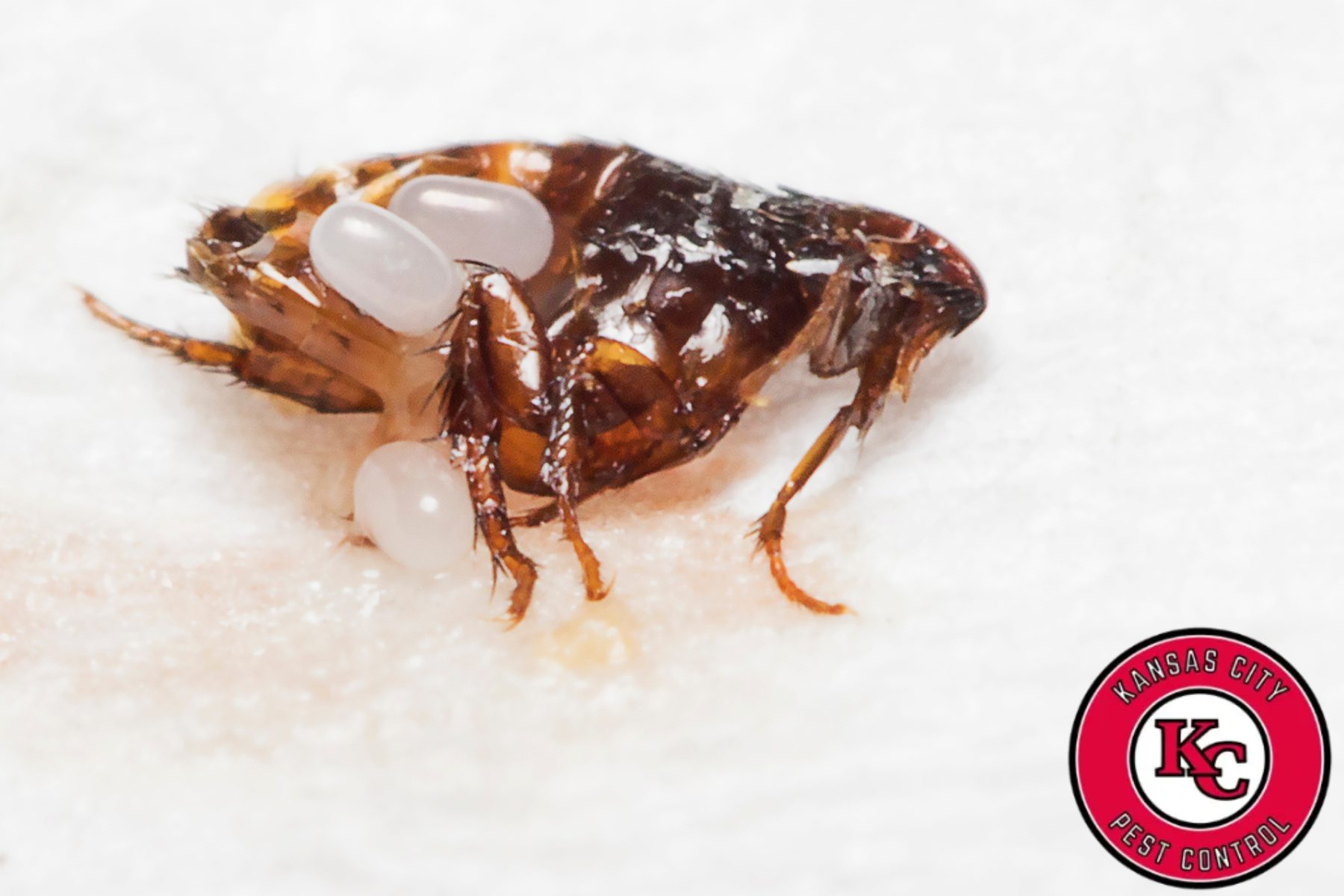
Fleas are more than just an inconvenience; they can affect both your pets and your home. In Kansas City, flea infestations are a common problem that can leave homeowners scrambling for effective solutions. Many people turn to flea sprays, but does flea spray really work?
In this guide, we’ll dive into the facts about flea spray effectiveness, what to expect from flea sprays, and when it might be time to call in professional pest control for more comprehensive flea management.
Understanding Diatomaceous Earth
Diatomaceous earth is a fine powder composed of the fossilized remains of diatoms, a type of hard-shelled algae. These microscopic organisms accumulate over millennia, forming deposits that are mined for various uses, including pest control. The abrasive nature of DE particles can cause physical damage to the exoskeletons of insects, leading to dehydration and death.
Diatomaceous earth (DE) is a natural and highly effective solution for controlling fleas. When applied to areas where fleas are present, the fine particles of DE work by dehydrating and damaging the exoskeletons of fleas, leading to their death. This method is safe for pets and humans, making it an ideal choice for households looking for a non-toxic option. However, to ensure long-term results, regular application and proper cleaning are essential. If you’re dealing with flea problems and need professional help, don’t hesitate to reach out.
What Is Flea Spray?
Flea spray is a treatment designed to kill fleas on contact and prevent reinfestations by targeting different stages of the flea life cycle. There are several types of flea sprays available:
- Pet Flea Spray: Specifically designed for direct application to your pet’s fur to kill fleas.
- Household Flea Spray: Used on carpets, furniture, pet bedding, and other household areas where fleas may be hiding.
- Yard Flea Treatment: Applied to outdoor areas like lawns, mulch, and shaded soil where fleas breed.
Many flea sprays combine insecticides and insect growth regulators (IGRs) to target adult fleas and stop the development of flea larvae and eggs.
Does Flea Spray Really Work?
The short answer: Yes, flea spray can be effective, but the results vary based on several factors.
1. Type of Flea Spray
Not all flea sprays are created equal. Flea sprays that contain both adulticides (which kill adult fleas) and IGRs (which prevent flea eggs from developing) tend to be more effective. Pet-only sprays may only offer temporary relief if the home and yard aren’t treated.
2. Application Technique
Correct application is essential for flea sprays to work. Areas like baseboards, furniture, and under beds need to be thoroughly sprayed to ensure fleas don’t have any hiding spots. An incomplete application can leave flea eggs and larvae behind, allowing the infestation to continue.
3. Infestation Size
Flea sprays work best during early infestations. For more severe infestations, you may need a combination of yard treatments, indoor sprays, and pet medications. In cases of larger infestations, professional pest exterminator in Kansas City may be the most effective solution.
4. Follow-Up Care
Flea sprays aren’t a one-and-done fix. Reapplication may be necessary, particularly in severe infestations. Ongoing efforts like vacuuming, washing pet bedding, and treating the yard will help maintain a flea-free environment.
Why Flea Sprays Matter
Fleas are not only a nuisance, they can also carry diseases and transmit tapeworms to pets and people. An untreated flea infestation can quickly spread from your pets to your carpets, furniture, bedding, and even your yard. A high-quality flea spray can stop fleas at all life stages: eggs, larvae, and adults. But with so many options on the market, how do you know which one is right for you?
What Flea Sprays Can and Cannot Do
What Flea Sprays Can Do:
- Kill adult fleas on contact
- Disrupt flea reproduction with IGRs
- Provide temporary relief from itching and scratching
What Flea Sprays Cannot Do:
- Eliminate fleas in a single treatment (in most cases)
- Control outdoor flea sources unless a yard flea treatment is applied
- Prevent future infestations without a comprehensive plan
Best Types of Flea Sprays
Depending on where the infestation is located, you may need a different type of spray. Here are the main categories:
Indoor Flea Sprays
These sprays are designed for carpets, upholstery, and hard floors. Look for ones that contain both adulticides and IGRs to break the flea life cycle completely.
Pet Flea Sprays
Formulated specifically for cats and dogs, these sprays must be vet-approved and safe for direct application. Always follow the label instructions carefully.
Outdoor Flea Sprays
If fleas are originating in your yard, a yard flea treatment spray is essential. These products are often more potent and formulated to withstand environmental elements.
Common Ingredients Found in Flea Sprays
Understanding the ingredients in flea sprays can help you choose a more effective product. Here are some common ingredients to look out for:
- Permethrin & Pyrethrins: Fast-acting insecticides that kill adult fleas.
- Methoprene or Pyriproxyfen: Insect growth regulators that stop flea larvae and eggs from maturing.
- Essential Oils: Some natural sprays use oils like peppermint or eucalyptus, though they are often less effective than chemical options.
Always read the label carefully and consult with a vet or pest control professional if you’re unsure which product is best for your pet or home.
Flea Spray vs. Professional Treatment: What’s the Difference?
While flea sprays can offer temporary relief, professional services are often more effective, especially for persistent infestations. Here’s why professional treatments are generally more reliable:
- Effectiveness: Professional pest control uses industrial-grade insecticides and IGRs to target all stages of the flea life cycle, providing longer-lasting results.
- Safety: Professionals are trained to apply treatments safely, ensuring that pets and family members aren’t exposed to harmful chemicals.
- Long-Term Results: Pest control services focus on providing lasting relief and can design a customized plan to prevent future infestations.
- Convenience: Hiring professionals saves you time and ensures that the problem is handled efficiently and effectively, with no need for repeated DIY applications.
For homeowners in Kansas City, professional flea control services provide more thorough, long-lasting results compared to DIY sprays, especially for more severe infestations.
Application Tips for Maximum Effectiveness
Here are some best practices when using flea sprays:
- Vacuum first: This lifts flea eggs and larvae closer to the surface, allowing the spray to be more effective.
- Test before full use: Especially with natural or essential oil-based products, do a patch test to ensure no staining or irritation.
- Follow instructions: Always read and adhere to label directions, including drying times and reapplication schedules.
- Repeat as needed: Some sprays require multiple treatments for complete eradication.
- Combine with other methods: Use sprays alongside vacuuming, flea traps, and pet treatments for comprehensive control.
How to Maximize the Effectiveness of Flea Spray
- Treat All Pets
Even if only one pet is showing signs of fleas, treat all animals in your household to avoid reinfestation. - Clean Thoroughly
Vacuum carpets, furniture, and pet bedding daily during treatment. Dispose of vacuum bags immediately to avoid fleas escaping. - Wash Pet Bedding
Launder all bedding in hot water to kill fleas and their eggs. - Don’t Forget the Outdoors
If your pet spends time outside, applying a yard flea treatment is essential to break the flea life cycle. - Reapply as Needed
Many sprays recommend reapplication after 7-10 days to ensure complete elimination. Always follow the product instructions.
When to Call a Professional
If you’re still seeing fleas after multiple treatments or are dealing with a severe infestation, it’s time to call in the experts. A Kansas City exterminator can provide professional pest control services, including:
- Thorough Inspections: Technicians can inspect your home and yard to identify flea hotspots and breeding areas.
- Effective Treatment: Pest control companies use industrial-grade insecticides and IGRs to target all stages of the flea life cycle.
- Follow-Up Care: Experts will advise you on preventative measures to keep fleas from coming back.
If you’ve tried DIY flea sprays and still have issues, searching for flea control or contacting a local Kansas City pest control company is your next best step.
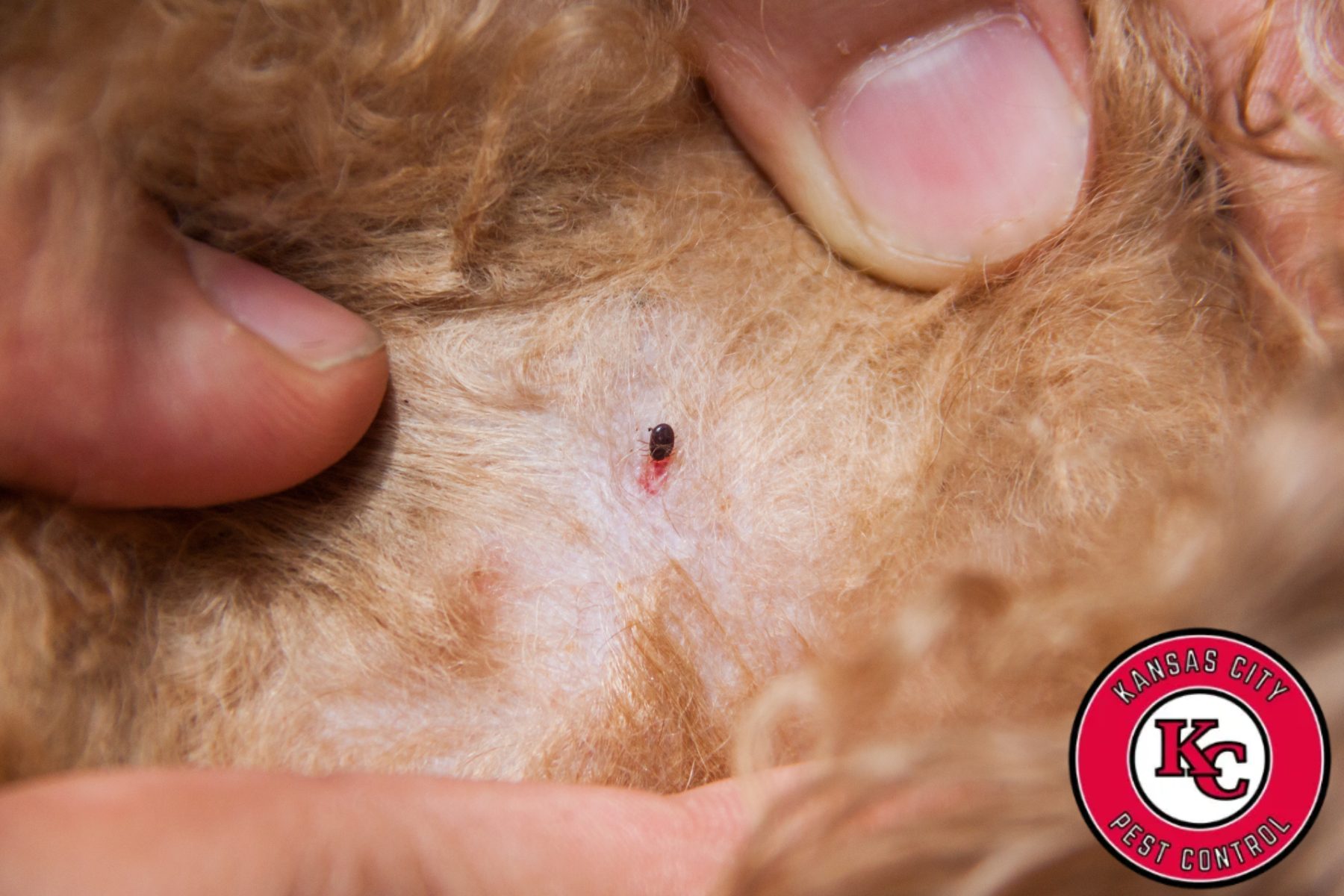
Frequently Asked Questions
Does flea spray really work?
Yes, flea spray can kill adult fleas and, when it contains an IGR, help control eggs and larvae. Results depend on proper application and follow-up.
How long does flea spray take to work?
Many flea sprays begin working quickly, but complete control can take multiple treatments because flea eggs and pupae may remain hidden.
Can flea spray kill flea eggs?
Some flea sprays contain insect growth regulators (IGRs) that prevent flea eggs and larvae from developing into adults.
Can fleas survive after spraying?
Yes. Flea pupae can remain protected in their cocoons and emerge later. Continued cleaning and follow-up treatment may be needed.
Final Thoughts: Keep Your Kansas City Home Flea-Free
Flea sprays can be effective for minor infestations, but for long-term relief and prevention, professional pest control is often the best solution. Whether you’re dealing with fleas in your home or yard, Kansas City Pest Control is here to help.
Don’t let fleas take over your home. Contact us for expert flea control in Kansas City. Let us help you eliminate fleas and keep your property pest-free!
LEARN MORE HERE: