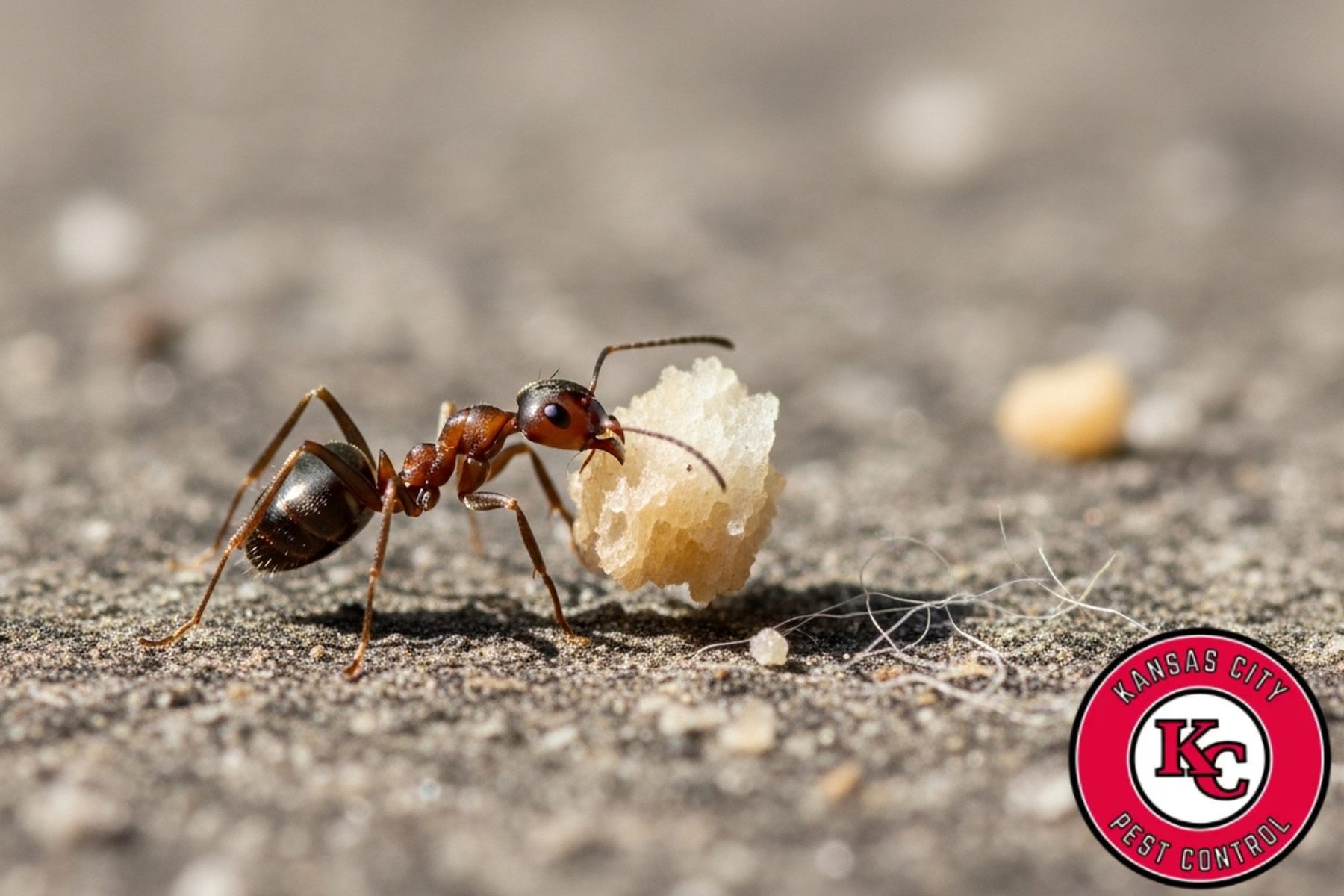
Ant infestations can be frustrating, persistent, and surprisingly difficult to manage. Homeowners often turn to various ant-killing products, but with so many options on store shelves, it can be challenging to determine which solutions actually work and which ones are just marketing gimmicks. Understanding the science behind ant control can help you choose the most effective methods for your situation.
Understanding the Ant Problem
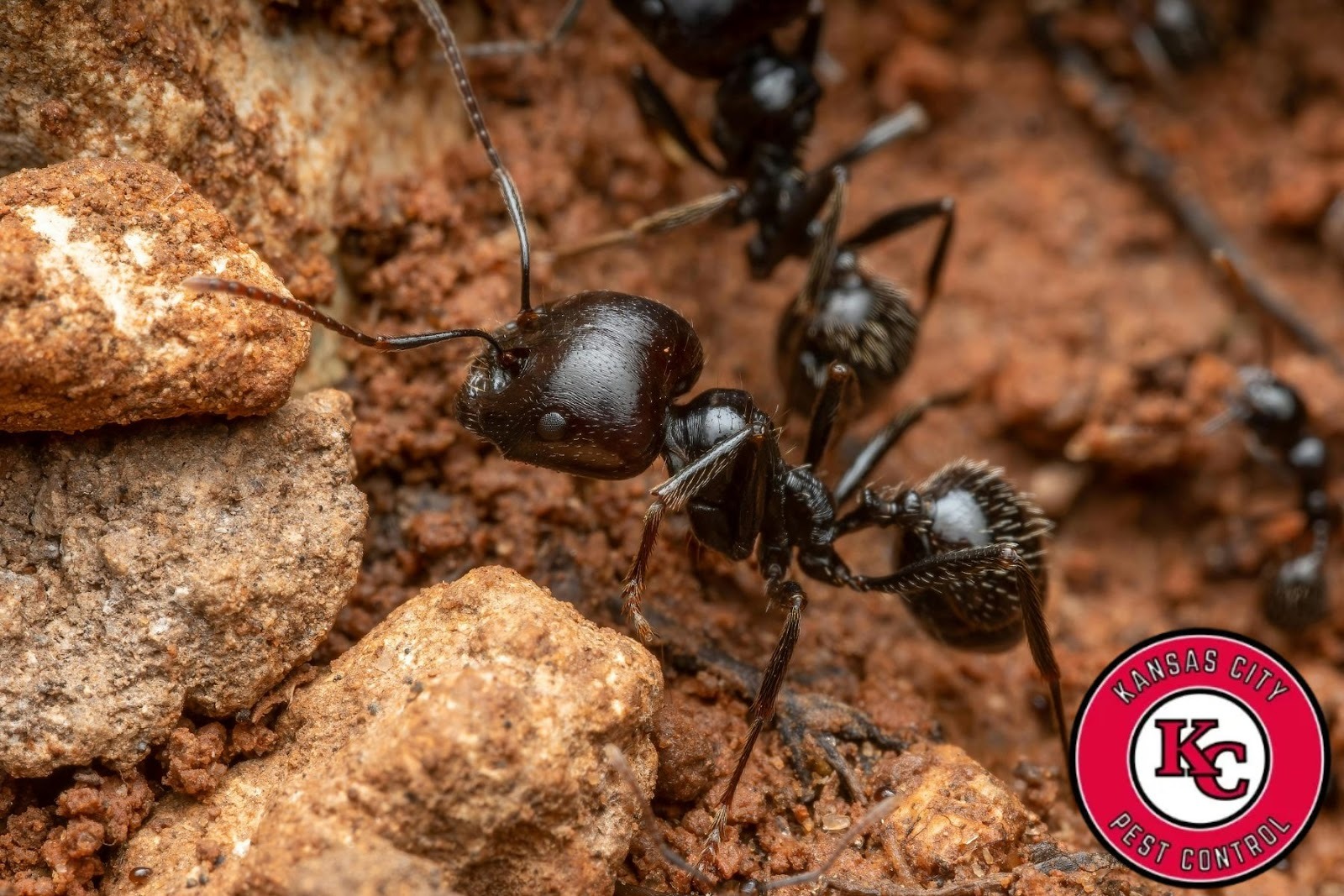
Before diving into products, it’s essential to understand how ants operate. Ants live in colonies with a clear hierarchy, including workers, soldiers, and a queen. While workers are the ones you typically see foraging, the real target in any ant control strategy is the queen. If the queen survives, the colony will continue to grow no matter how many worker ants you eliminate.
This is why simply killing visible ants often fails. The key is to use methods that not only kill the ants you see but also reach the colony’s hidden members, including the queen.
How Ants Operate:
- Workers forage for food and expand the nest.
- Soldiers protect the colony.
- Queen reproduces to expand the colony.
Identifying an Ant Infestation in Your Home
Unwelcome Visitors: Spotting Ants Inside Your Home
Noticing ants in your kitchen or bathroom? While they might seem like a small issue, seeing a few ants could be the start of a much bigger problem. Common ant species like carpenter ants, pavement ants, and odorous house ants are notorious for invading homes. Carpenter ants are particularly concerning because they can damage wood structures in your home. It’s essential to deal with the issue early to prevent further problems.
If you spot more than a couple of ants or find them trailing along food sources, it’s time to consider a pest control solution. Even a few ants can indicate a nearby colony.
The Trail: Following Ants to the Source
One of the easiest ways to gauge the severity of an ant infestation is by following their trail. Ants create visible paths that lead to food sources or their nest. By tracking these trails, you can determine where the ants are coming from and how large the problem is. This will help you decide whether you need professional ant control or if DIY methods will suffice.
Seasonal Ant Behavior
Warmer months often bring an increase in ant activity, with ants searching for food and shelter in homes. It’s important to be aware of this seasonal behavior so you can act promptly. If you start seeing ants in early spring or summer, take action quickly to avoid a full-blown infestation later on.
The Hype: Quick-Kill Sprays
Many homeowners reach for aerosol insecticides at the first sign of ants. While these sprays can kill ants on contact, they rarely solve the root problem. In fact, they may make it worse by causing the colony to split (a process called budding), resulting in multiple smaller colonies and an even larger infestation.
Sprays can be useful for immediate relief in a small, isolated area, but they should not be relied upon as the main solution for a large infestation.
What Works: Bait Systems
When it comes to long-term control, ant baits are one of the most effective tools available. Baits are designed to attract worker ants, who then carry the poisoned food back to the nest. Over time, the bait is shared with other ants and the queen, ultimately destroying the colony.
The best ant bait to kill the entire colony will combine a slow-acting poison with an attractive food source. This slow kill is crucial because it allows enough time for the poison to spread throughout the colony before the ants die. As ant kills ant, this method helps distribute the poison effectively to reach all members, including the queen.
The Role of Liquid and Gel Baits
Liquid and gel baits are often more appealing to ants because they mimic the sugary substances ants naturally seek. These baits are ideal for certain species, particularly those attracted to sweets. They can be placed along foraging trails or near entry points for maximum effect.
If you’re searching for ant control, many professional services use commercial-grade bait systems that are far more effective than over-the-counter products.
Granular Baits for Outdoor Colonies
Granular baits are effective for outdoor infestations, especially for species that prefer protein or grease. Sprinkling granules around known nesting sites or along trails can lure ants to carry the bait back to the colony.
However, success depends on correct placement and timing. Ant activity peaks during warmer months, and baits should be applied when ants are actively foraging.
Natural and “Eco-Friendly” Ant Killers: The Reality
Many homeowners are interested in green pest control solutions. Some natural options, such as diatomaceous earth, can be effective against ants by damaging their exoskeletons and causing them to dehydrate. However, these methods often require direct contact and may not address the colony’s core.
Essential oils like peppermint or tea tree oil are popular for deterring ants, but their effects are typically temporary. While these can be part of a prevention strategy, they’re rarely sufficient as a standalone solution for a major infestation.
How Effective Is Ant Bait for Controlling Ants?
The Science Behind Ant Bait: How It Works
When it comes to tackling ant infestations, ant control often means using ant bait. The way ant bait works is simple yet effective: the bait contains both food and a slow-acting insecticide. Ants take the bait back to their colony, where it’s shared with others, including the queen. This method helps wipe out the entire colony, not just the ants you see. For the best results, bait should be used consistently and placed along ant trails.
Ant Bait vs. Other Pest Control Methods
Compared to traditional sprays and traps, ant bait offers long-term control. Sprays only eliminate visible ants, leaving the colony intact. Ant control baits, however, attack the core problem by targeting the entire nest. This makes bait a more effective long-term solution for eliminating ants.
Pros and Cons of Using Ant Bait
The pros of using ant bait include:
- It targets the entire colony, resulting in more thorough ant control.
- Easy to apply and doesn’t require specialized knowledge.
However, some cons include:
- It can take a few days to see results.
- Not all infestations can be handled by bait alone, especially if ants are nesting deep inside walls.
When and How to Use Ant Bait for Maximum Effect
Timing Is Key: Best Time to Deploy Ant Bait
The best time to use ant bait is as soon as you notice ants. If you see ants foraging for food, likely, they’ve already found a nearby nest. Apply the bait early to prevent the infestation from growing. Waiting too long could lead to a larger colony and more difficult pest control efforts later on.
Placement Tips for Maximum Impact
To ensure your bait works effectively, place it along the ants’ trail, especially in areas where they frequently travel, such as near food sources or entry points. Be cautious about where you place the bait, especially if you have pets or children in the home.
How Long Before You See Results?
The results of ant bait usually take several days to become noticeable. Ants must first carry the bait back to their colony. Once they share it with the rest of the ants, you’ll see a reduction in activity. It’s important to be patient and allow the bait to work its way through the colony.
Follow-Up: What to Do After Using Ant Bait
After using the bait, keep an eye on the area. If the problem persists, you may need to reapply the bait or contact a professional pest control service to ensure the infestation is fully dealt with.
The Importance of Professional Assessment
Even the best ant killer won’t be effective if you’re targeting the wrong species. Different ant species have different food preferences and nesting habits, which means the right bait for one might not work for another.
Professional pest control technicians can identify the ant species, locate the nest, and recommend the most effective treatment plan. This expertise often makes a significant difference in eliminating the problem.
For pest control, local professionals, such as an exterminator in Independence, MO, have the expertise and tools to assess and treat the ant species specific to your home.
Why DIY Sometimes Fails
DIY methods can be effective for minor infestations, but larger, more established colonies often require professional intervention. Misidentifying the species, using the wrong bait, or applying treatments inconsistently can lead to ongoing problems.
Choosing a trusted Independence pest control service ensures that the infestation is approached strategically and with the right tools.
Prevention Is Key
Even after eliminating an ant colony, prevention measures are critical to avoid future infestations. Seal entry points, keep food in airtight containers, clean spills promptly, and address moisture issues. Landscaping maintenance, such as trimming trees and shrubs away from the home, also reduces pathways ants may use to enter.
Regular inspections from a pest control in Independence, MO service can help catch early signs of ant activity before they become major issues.
Final Thoughts on the Battle of Ant Killers
The most effective ant control strategy combines baiting, prevention, and professional expertise. While quick-kill sprays and natural deterrents may provide short-term relief, they rarely address the colony’s core. Baits, especially species-specific ones, remain among the most reliable methods for complete colony elimination.
People Also Ask
What’s the best way to kill ants in your home?
The best approach is to use bait systems that target the entire colony, including the queen, rather than just killing visible ants. These systems are more effective for long-term control.
Does ant killer really kill the whole colony?
Ant killers like baits containing slow-acting poisons are effective at killing the entire colony, as worker ants carry the poison back to the nest, where it kills the queen.
How do you keep ants from coming back?
Preventive measures such as sealing entry points, removing food sources, and maintaining landscaping are key to preventing ants from returning. Regular pest control in Independence, MO, inspections also help prevent new infestations.
What’s the difference between ant bait and spray?
Baits are designed to target the queen and the entire colony, while sprays kill only the ants they contact, leaving the colony intact.
About Kansas City Pest Control
Kansas City Pest Control is a trusted local company providing comprehensive pest management solutions for homes and businesses across the Kansas City area. Specializing in ants, termites, rodents, and more, our team uses proven, environmentally responsible methods to ensure lasting results. Whether you need targeted treatments, ongoing prevention, or a detailed inspection, we’re committed to protecting your property from unwanted pests.
Dealing with ants in your home? Contact us today for targeted, long-term solutions.
LEARN MORE HERE:
Natural vs. Chemical Ant Control: Trusted Pest Control
Understanding Ant Behavior in Lee’s Summit: How Ant Bait Works and When to Use It for Maximum Effect